Charlotte's Industrial Real Estate Boom: Capitalizing on Growth
Discover why Charlotte's industrial sector is attracting major investments and how agents can help clients navigate this lucrative market segment.

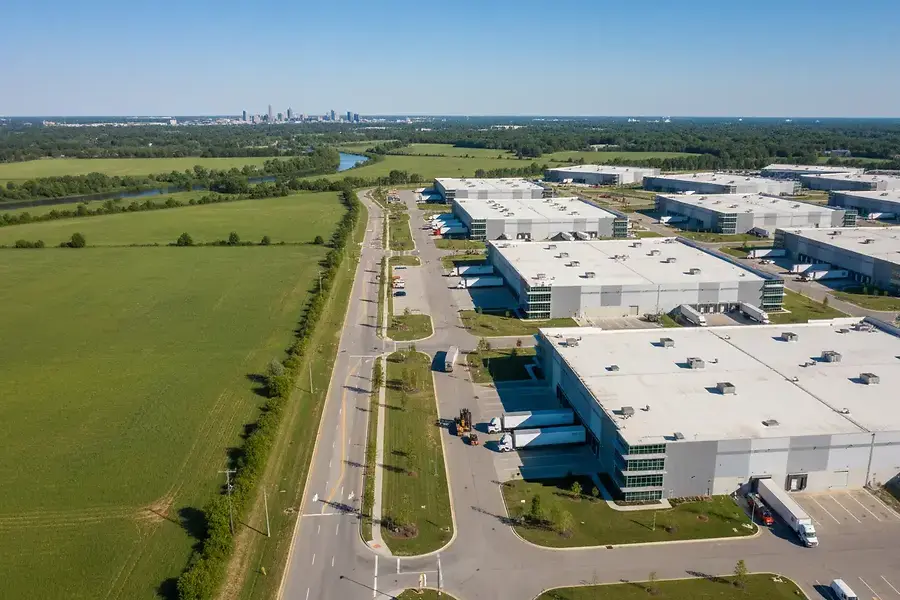
The Rise of Charlotte's Industrial Real Estate Sector
Charlotte has emerged as one of the most dynamic industrial real estate markets in the United States. The city's strategic location, robust infrastructure, and business-friendly environment have created the perfect storm for industrial growth. What was once a traditional banking hub has transformed into a thriving logistics and distribution epicenter, attracting investors and businesses from across the nation.
The industrial sector in Charlotte is no longer a niche market—it's become a cornerstone of the region's economic development. With major corporations establishing operations and expanding their footprints, the demand for warehouse space, distribution centers, and manufacturing facilities continues to surge. For real estate agents and their clients, this represents an unprecedented opportunity to capitalize on a market segment that shows no signs of slowing down.
Key Growth Drivers: Distribution Centers, E-Commerce, and Logistics Expansion
E-Commerce Revolution
The explosive growth of e-commerce has fundamentally reshaped Charlotte's industrial landscape. As online shopping continues to dominate consumer behavior, companies need strategically located distribution centers to meet customer expectations for fast delivery. Charlotte's central location on the East Coast makes it an ideal hub for last-mile delivery operations and regional distribution networks.
Major retailers and third-party logistics providers are investing heavily in the region, creating a ripple effect throughout the industrial real estate market. This demand has driven up occupancy rates and rental prices, making industrial properties increasingly valuable investments.
Logistics and Transportation Hub
Charlotte's proximity to major highways, including I-85 and I-77, combined with its access to rail and air transportation, positions it as a critical logistics hub. The city's infrastructure advantages have attracted companies looking to optimize their supply chain operations. This transportation network efficiency translates directly into lower operational costs for businesses, making Charlotte an attractive destination for logistics companies.
The expansion of Charlotte's transportation infrastructure continues to enhance the region's competitive advantage. New road improvements and enhanced rail connections further solidify the city's position as a premier logistics destination.
Manufacturing and Advanced Industries
Beyond e-commerce and traditional logistics, Charlotte is also attracting advanced manufacturing and specialized industrial operations. Companies in automotive, aerospace, and technology sectors are establishing facilities in the region, diversifying the industrial real estate portfolio and creating stable, long-term demand for industrial space.
Investment Opportunities and Market Advantages for Commercial Buyers
Strong Rental Growth and Returns
Industrial properties in Charlotte are experiencing impressive rental growth, outpacing many other major metropolitan areas. Investors are seeing strong returns on their capital, with cap rates remaining attractive compared to coastal markets. The combination of rising rents and steady occupancy rates creates a compelling investment thesis for both institutional and individual investors.
Key advantages for commercial buyers include:
- Competitive pricing compared to other major logistics hubs
- Strong tenant demand from Fortune 500 companies and emerging logistics providers
- Favorable lease terms with long-term commitments
- Potential for value-add opportunities through property improvements and repositioning
Diverse Tenant Base and Risk Mitigation
Charlotte's industrial market benefits from a diverse tenant base spanning multiple industries and company sizes. This diversification reduces risk for property owners and investors, as the market isn't overly dependent on any single industry or tenant. Whether it's e-commerce fulfillment, automotive logistics, or food distribution, Charlotte has established itself as a multi-sector industrial destination.
Strategic Location and Market Accessibility
The city's central location on the East Coast provides unmatched accessibility to major consumer markets. Companies can reach over 60% of the U.S. population within a two-day drive from Charlotte, making it an ideal location for distribution and fulfillment operations. This geographic advantage translates into competitive advantages for tenants and sustained demand for industrial space.
Favorable Business Environment
North Carolina's business-friendly policies, competitive tax rates, and supportive economic development initiatives create an attractive environment for industrial companies. The state's workforce development programs and educational institutions provide a skilled labor pool, further enhancing Charlotte's appeal to industrial operators and investors.
Positioning Your Clients for Success in Charlotte's Industrial Market
Understanding Market Dynamics
As a real estate agent, understanding the nuances of Charlotte's industrial market is crucial. Stay informed about major corporate announcements, infrastructure projects, and economic indicators that influence industrial real estate demand. This knowledge allows you to identify emerging opportunities and guide clients toward properties with the strongest growth potential.
Identifying High-Potential Properties
Focus on properties with strategic locations near major transportation corridors, proximity to population centers, and access to skilled labor. Properties in emerging industrial parks with room for expansion often offer the best long-term appreciation potential. Consider factors like ceiling height, loading dock configurations, and parking availability when evaluating properties for clients.
Building Relationships with Key Players
Develop relationships with logistics companies, third-party logistics providers, and corporate real estate teams. These connections provide valuable insights into market trends and upcoming space requirements. Networking within the industrial community positions you as a trusted advisor and opens doors to off-market opportunities for your clients.
Leveraging Data and Market Intelligence
Data-driven decision making is essential in today's market. Utilize market reports, occupancy statistics, and rental rate trends to support your recommendations. Clients appreciate agents who can back up their advice with concrete market data and comparative analysis.
Conclusion: Positioning Your Clients for Success in Charlotte's Industrial Market
Charlotte's industrial real estate boom represents a generational opportunity for investors and businesses seeking exposure to a high-growth market segment. The convergence of e-commerce expansion, logistics demand, and strategic geographic advantages has created a perfect environment for industrial real estate success.
For real estate agents, the key to success lies in understanding the market fundamentals, identifying high-potential properties, and building relationships within the industrial community. By positioning your clients strategically in Charlotte's industrial market, you're not just facilitating transactions—you're helping them capitalize on one of the most dynamic real estate sectors in the country.
The time to act is now. As Charlotte continues to attract major investments and expand its industrial footprint, the opportunities for savvy investors and forward-thinking businesses will only continue to grow. Partner with your clients to navigate this lucrative market segment and position them for long-term success in Charlotte's thriving industrial real estate landscape.


