Chase City Property Tax Assessments: Complete Homeowner's Guide
Understand how property taxes are calculated and learn strategies to potentially reduce your tax burden in Chase City.

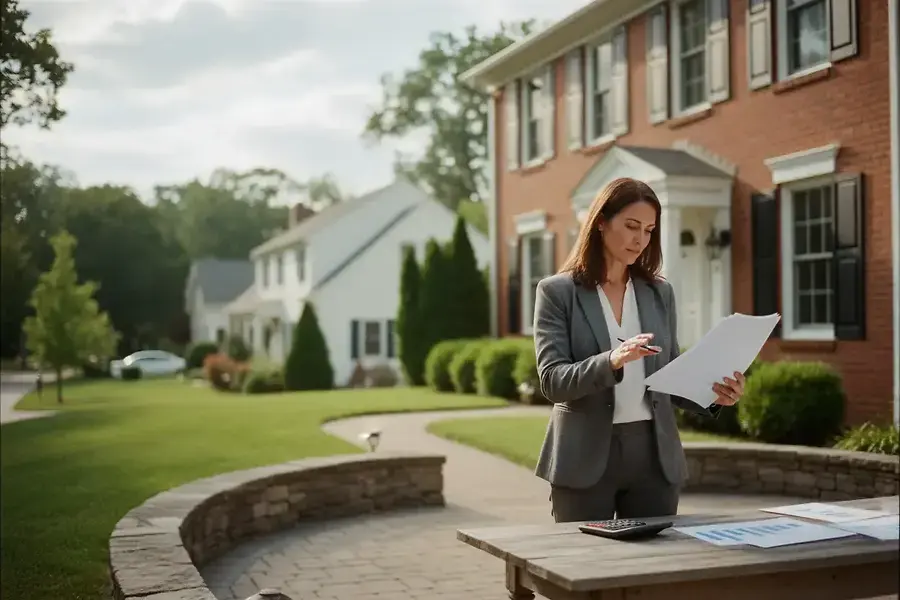
Understanding Chase City Property Tax Assessments
Property taxes are a significant expense for homeowners in Chase City, and understanding how they work is the first step toward managing your financial obligations effectively. Your property tax bill is determined by multiplying your home's assessed value by the local tax rate, which is set by the city and county governments. This revenue funds essential services including schools, infrastructure, emergency services, and public utilities that benefit the entire community.
The assessment process begins when the local assessor's office evaluates your property to determine its fair market value. This assessment happens periodically, and homeowners should be aware of when these evaluations occur in their jurisdiction. Understanding this process empowers you to identify potential errors and take action if necessary.
How Assessments Are Conducted
Assessors use various methods to determine property values, including:
- Comparing your property to similar homes recently sold in your area
- Analyzing the cost to rebuild your home from scratch
- Evaluating the income potential of your property
- Conducting physical inspections of your home and property
Most assessors rely heavily on the sales comparison approach, which examines recent transactions of comparable properties. This method is generally considered the most reliable for residential properties in Chase City.
Factors That Influence Your Property Tax Amount
Several key factors directly impact how much you'll pay in property taxes. Being aware of these elements helps you understand your assessment and identify areas where you might challenge the valuation.
Property Size and Location
The square footage of your home and the size of your lot are primary determinants of your assessed value. Properties in desirable neighborhoods with good schools and low crime rates typically command higher assessments. Additionally, proximity to amenities, public transportation, and commercial centers can increase your property's assessed value.
Home Condition and Age
The condition of your home significantly affects its assessment. Homes with recent renovations, updated systems, and modern amenities typically receive higher valuations. Conversely, properties requiring repairs or upgrades may be assessed at lower values. The age of your home also matters—newer homes generally have higher assessed values than older properties, though well-maintained older homes can still command premium prices.
Market Conditions
Local real estate market trends directly influence property assessments. During periods of rising home values, assessments tend to increase. It's important to monitor local market conditions to understand whether your assessment aligns with current market realities. If the market has declined since your last assessment, you may have grounds to challenge your valuation.
Special Features and Improvements
Certain features can increase or decrease your assessed value:
- Swimming pools and hot tubs
- Finished basements and additional rooms
- Energy-efficient upgrades and solar panels
- Garages and outbuildings
- Landscaping and hardscaping improvements
How to Review and Challenge Your Assessment
If you believe your property assessment is inaccurate, you have the right to challenge it. This process can potentially result in significant tax savings.
Step 1: Review Your Assessment Notice
Carefully examine the assessment notice you receive from the assessor's office. Verify that the property details are correct, including square footage, number of bedrooms and bathrooms, lot size, and any special features. Errors in these basic facts can lead to inflated assessments. Common mistakes include incorrect square footage calculations or failure to account for property damage.
Step 2: Research Comparable Properties
Gather information about similar properties in your neighborhood that have recently sold. Look for homes with comparable size, age, condition, and location. Public records and real estate websites can provide this information. If comparable properties sold for significantly less than your assessed value, you have strong evidence for a challenge.
Step 4: Document Your Evidence
Compile all supporting documentation for your challenge, including:
- Photos of any property damage or needed repairs
- Recent home inspection reports
- Documentation of comparable sales
- Proof of property defects or limitations
- Recent appraisals or assessments from other sources
Step 5: File Your Appeal
Submit your formal appeal to the appropriate board or office in Chase City. Most jurisdictions have specific deadlines for filing appeals, typically within 30 to 45 days of receiving your assessment notice.
Missing the deadline could forfeit your right to challenge the assessment, so mark your calendar and submit your appeal promptly.
Step 6: Prepare for the Hearing
If your appeal proceeds to a hearing, prepare a clear, organized presentation of your evidence. Bring all documentation and be ready to explain why you believe the assessment is inaccurate. Many homeowners find it helpful to hire a professional property tax consultant or attorney to represent them, though this is not always necessary.
Conclusion: Taking Control of Your Property Taxes
Property tax assessments don't have to be accepted without question. By understanding how assessments are calculated, knowing what factors influence your valuation, and taking action to challenge inaccurate assessments, you can potentially reduce your tax burden. The key is to stay informed, act promptly, and gather solid evidence to support your position.
Review your assessment notice carefully each year, monitor local real estate trends, and don't hesitate to challenge valuations that seem out of line with market conditions. Taking these steps puts you in control of your property taxes and ensures you're paying a fair amount based on your home's true market value. Remember, the assessor's office is not infallible, and homeowners who take the time to review and challenge assessments often achieve meaningful savings.


