Cheshire Home Inspection Essentials: What Every Buyer Should Know
Discover the critical inspection points that protect your investment and reveal hidden issues before closing.

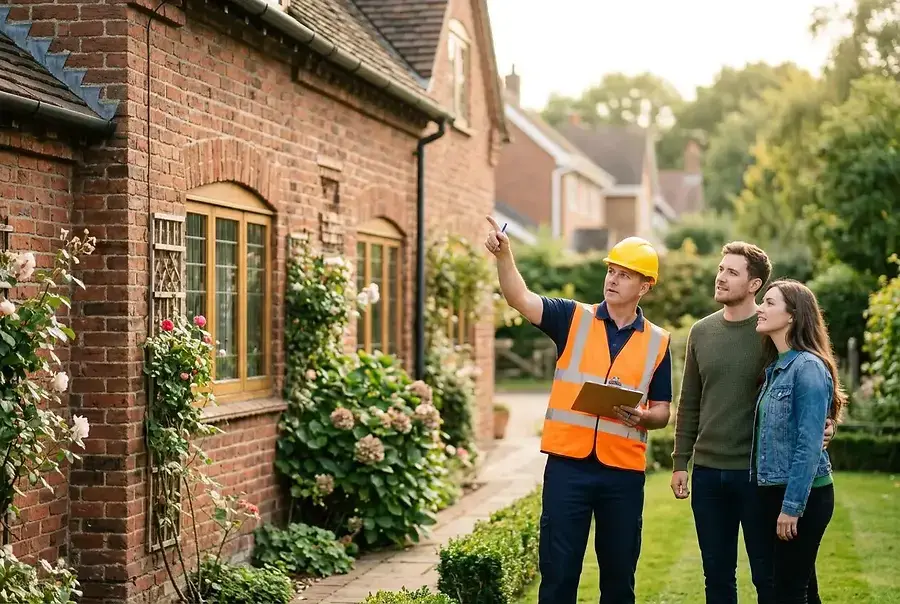
Understanding the Home Inspection Process in Cheshire
A home inspection is one of the most critical steps in the property buying process. It's a comprehensive evaluation of a property's physical condition, conducted by a qualified professional inspector. In Cheshire, where properties range from Victorian terraces to modern developments, understanding this process is essential for protecting your investment.
The inspection typically takes 2-4 hours and involves a thorough examination of both the interior and exterior of the property. As a buyer, you have the right to be present during the inspection, which gives you an opportunity to ask questions and understand the property's condition firsthand. The inspector will document their findings in a detailed report, which becomes your roadmap for making informed decisions.
It's important to note that a home inspection is not the same as a survey or valuation. While an inspection focuses on the property's condition and potential issues, a survey assesses the property's structure and value. Many buyers in Cheshire choose to conduct both to gain complete peace of mind.
Key Areas Inspectors Examine and Red Flags to Watch For
Structural Elements
Inspectors pay close attention to the property's foundation, walls, and overall structural integrity. In Cheshire, older properties may show signs of subsidence or movement, which can be costly to repair. Look for:
- Cracks in walls or ceilings
- Uneven floors or sloping walls
- Evidence of previous structural repairs
- Damp patches or water stains
Roofing and Guttering
The roof is your property's first line of defense against the elements. Inspectors examine the condition of tiles, flashing, and guttering systems. Common red flags include:
- Missing or damaged roof tiles
- Sagging roof lines
- Blocked or deteriorating gutters
- Evidence of leaks in the attic or upper floors
Plumbing and Water Systems
Water-related issues can be expensive to fix and may indicate deeper problems. Inspectors test water pressure, check for leaks, and examine the condition of pipes. Pay special attention to:
- Corroded or outdated pipework
- Signs of water damage or mold
- Inefficient boilers or heating systems
- Poor water drainage
Electrical Systems
Outdated electrical systems pose safety risks and may require expensive upgrades. Inspectors will check the condition of wiring, circuits, and safety features. Be cautious of:
- Outdated fuse boxes instead of modern circuit breakers
- Insufficient electrical outlets
- Signs of overloaded circuits
- Missing or faulty safety switches
Heating and Cooling Systems
Central heating is essential in Cheshire's climate. Inspectors evaluate boilers, radiators, and ventilation systems to ensure they're functioning properly and safely. Watch for systems nearing the end of their lifespan, as replacement can be costly.
Using Inspection Results to Negotiate Better Terms
Once you receive the inspection report, you have valuable leverage in negotiations. Here's how to use it effectively:
Prioritize Issues by Severity
Not all issues require renegotiation. Focus on significant problems that affect safety, structural integrity, or major systems. Minor cosmetic issues are typically the buyer's responsibility after purchase.
Obtain Repair Estimates
For major issues identified in the inspection, get quotes from qualified contractors. This gives you concrete figures to present during negotiations. Sellers are more likely to take your concerns seriously when backed by professional estimates.
Request Repairs or Credits
You have three main options when negotiating:
- Request repairs: Ask the seller to fix issues before closing
- Request credits: Negotiate a reduction in the purchase price to cover repairs yourself
- Walk away: If issues are too severe, you may choose to withdraw from the purchase
Many buyers prefer credits, as they can choose their own contractors and ensure quality workmanship. However, the seller's willingness to negotiate depends on the local market conditions and their motivation to sell.
Be Reasonable and Professional
Approach negotiations professionally and focus on legitimate concerns. Unreasonable demands may cause the seller to withdraw from the sale or create unnecessary tension.
Remember: the goal is to reach a fair agreement that protects your interests while respecting the seller's position.
Final Steps: From Inspection Report to Confident Purchase
Review the Report Thoroughly
Take time to carefully read the entire inspection report. Don't hesitate to contact the inspector if you need clarification on any findings. Understanding the issues is crucial for making informed decisions.
Consult with Professionals
For significant issues, consider consulting with specialists such as structural engineers, electricians, or plumbers. Their expert opinions can help you understand the severity of problems and realistic repair costs.
Make Your Final Decision
Armed with inspection results and professional advice, you're now in a strong position to make your final decision. Whether you proceed with negotiations, request repairs, or walk away, you'll do so with confidence and full knowledge of what you're purchasing.
A thorough home inspection is an investment in your peace of mind. By understanding the inspection process, knowing what to look for, and using the results strategically, you protect yourself from costly surprises and ensure that your Cheshire property purchase is a sound investment for years to come.


