Chesterland Home Inspection Essentials: What Buyers Should Know
Discover the critical inspection points that protect your investment and reveal hidden issues before closing on your Chesterland property.

Understanding the Home Inspection Process in Chesterland
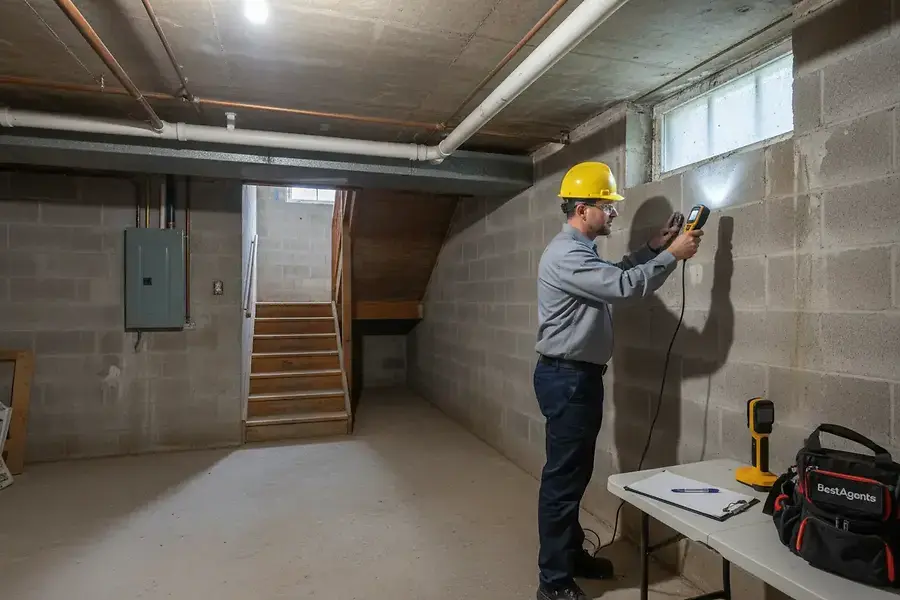
A home inspection is one of the most critical steps in the homebuying process. When purchasing a property in Chesterland, Ohio, a professional home inspection provides an objective assessment of the property's condition and identifies any potential issues that could affect your investment. This comprehensive evaluation typically takes two to three hours and covers both the interior and exterior of the home.
During a home inspection, a certified inspector will examine the structural integrity, mechanical systems, and overall condition of the property. In Chesterland, where homes range from historic properties to newer constructions, inspectors are familiar with the specific challenges and characteristics of the local housing market. The inspection report becomes a crucial document that informs your purchasing decision and can be used as a negotiating tool with the seller.
Why Home Inspections Matter in Ohio
Ohio's climate presents unique challenges for homeowners. The region experiences significant temperature fluctuations, humidity, and occasional severe weather that can impact a home's structural integrity and mechanical systems. A thorough inspection helps identify issues related to:
- Water damage and moisture infiltration from heavy rains and snow
- Foundation cracks caused by freeze-thaw cycles
- Roof deterioration from weather exposure
- HVAC system efficiency in extreme temperatures
- Basement flooding risks and drainage issues
Key Areas Inspectors Examine in Ohio Homes
Structural Components
Inspectors begin by evaluating the home's foundation, framing, and overall structural integrity. In Chesterland, many homes are built on clay soil, which can shift seasonally and cause foundation movement. Inspectors look for cracks in the foundation, uneven floors, and signs of settling that could indicate serious structural problems.
Roofing and Exterior
The roof is your home's first line of defense against Ohio's weather. Inspectors examine shingles for wear, check flashing around chimneys and vents, and assess the overall condition of gutters and downspouts. They also inspect siding, windows, doors, and exterior caulking to ensure proper weatherproofing.
Plumbing Systems
Water damage is a common concern in Ohio homes. Inspectors test all plumbing fixtures, check for leaks under sinks and around toilets, and examine water pressure throughout the home. They also assess the water heater's age and condition, as well as the main water shut-off valve's accessibility.
Electrical Systems
A safe electrical system is paramount. Inspectors verify that the electrical panel is properly grounded, check for outdated wiring, and ensure outlets are properly installed. They also look for any signs of fire hazards or code violations that could pose safety risks.
HVAC and Mechanical Systems
Given Ohio's temperature extremes, heating and cooling systems are critical. Inspectors evaluate furnace and air conditioning unit age, efficiency, and functionality. They also check ductwork for leaks and ensure proper ventilation throughout the home.
Basement and Crawl Spaces
Basements are particularly important in Chesterland inspections. Inspectors look for signs of water intrusion, efflorescence (white mineral deposits), mold growth, and proper drainage. They assess sump pump functionality and recommend improvements if necessary.
How to Interpret Your Inspection Report and Address Issues
Understanding the Report Format
Home inspection reports typically categorize findings into three levels: major issues that require immediate attention, minor issues that should be addressed eventually, and recommendations for maintenance and improvements. Understanding this hierarchy helps you prioritize concerns and budget accordingly.
Distinguishing Between Critical and Minor Issues
Critical issues include structural problems, electrical hazards, plumbing failures, and roof leaks. These typically require professional repair before closing. Minor issues might include cosmetic damage, worn caulking, or aging appliances that function adequately but may need replacement soon.
Getting Clarification
Don't hesitate to contact your inspector for clarification on any findings. Ask for specific recommendations on repairs, estimated costs, and urgency levels. Many inspectors are willing to walk through the property with you to explain their findings in detail.
Obtaining Repair Estimates
For significant issues, obtain written estimates from licensed contractors. This documentation strengthens your negotiating position with the seller and provides realistic cost expectations for repairs you may need to complete after purchase.
Moving Forward: Using Inspection Results in Your Purchase Decision
Negotiation Strategies
Armed with your inspection report, you have several options. You can request that the seller complete repairs before closing, ask for a credit toward closing costs, or negotiate a reduced purchase price to account for necessary repairs. The approach depends on the severity of issues, local market conditions, and your financial situation.
Making Your Final Decision
Use the inspection report as a comprehensive tool for decision-making. Consider not only the cost of repairs but also the age of major systems and their remaining lifespan. A home with an older roof and HVAC system may require significant investment in the near future, even if current repairs are minimal.
Planning for Future Maintenance
The inspection report serves as a valuable maintenance guide. Follow the inspector's recommendations for routine maintenance to prevent small issues from becoming major problems. Regular maintenance of your Chesterland home protects your investment and ensures long-term satisfaction with your purchase.
Pro Tip: Keep your inspection report accessible for future reference. It provides valuable information for insurance purposes, warranty claims, and when planning renovations or upgrades.
Final Thoughts
A professional home inspection is an investment in peace of mind. By understanding what inspectors examine, how to interpret their findings, and how to use the results strategically, you can make an informed decision about your Chesterland property purchase. Don't skip this crucial step—it could save you thousands of dollars and prevent costly surprises after closing.