Chicago Home Inspection Essentials: A Buyer's Complete Guide
Learn what to look for during inspections and how to avoid costly surprises in your Chicago home purchase.

Why Home Inspections Matter in Chicago's Residential Market
Purchasing a home is one of the most significant financial decisions you'll make, and in Chicago's competitive real estate market, a thorough home inspection is your best defense against costly surprises. A professional home inspection provides an objective assessment of a property's condition, identifying potential issues before you commit to the purchase.
Chicago's diverse housing stock—ranging from historic brownstones to modern condominiums—means that properties face unique challenges. The city's climate, aging infrastructure, and varied construction methods all contribute to specific wear patterns that inspectors must evaluate. By understanding what inspectors look for and what issues are common in Chicago homes, you can make informed decisions and negotiate repairs or credits with confidence.
A home inspection typically costs between $300 and $500, but the insights gained can save you thousands in unexpected repairs and maintenance costs down the road.
Key Areas Professional Inspectors Evaluate in Chicago Homes
Structural Components and Foundation
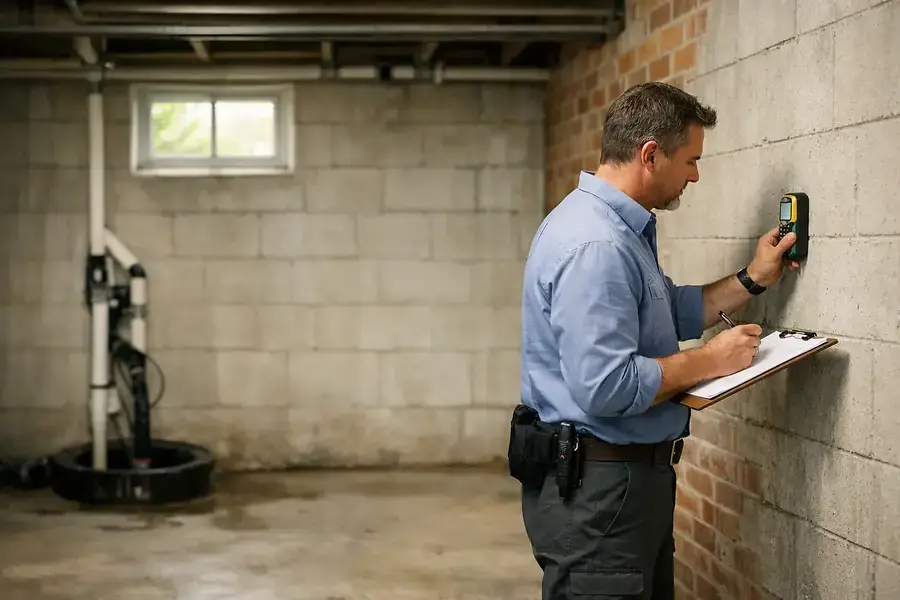
The foundation is the backbone of any home. Chicago inspectors pay close attention to basement walls, floors, and the overall structural integrity. They look for:
- Cracks in concrete or masonry
- Water intrusion or moisture problems
- Settling or shifting of the structure
- Proper grading around the foundation
Chicago's clay soil and freeze-thaw cycles can cause foundation movement over time, making this evaluation particularly important for older properties.
Roofing and Exterior
The roof protects everything beneath it. Inspectors examine:
- Roof age and remaining lifespan
- Shingles or tile condition
- Flashing around chimneys and vents
- Gutters and downspouts
- Exterior walls, siding, and windows
Chicago's harsh winters and heavy snow loads require roofs to be in excellent condition. Most roofs last 15-25 years, so knowing the age helps you budget for future replacement.
Plumbing Systems
Water damage is one of the most expensive issues homeowners face. Inspectors evaluate:
- Water pressure and flow
- Pipe material and condition (galvanized, copper, PEX)
- Sump pump functionality
- Drain systems and potential backups
- Water heater age and condition
Older Chicago homes may have outdated galvanized pipes that are prone to corrosion and reduced water flow.
Electrical Systems
Safety is paramount when evaluating electrical systems. Inspectors check:
- Panel capacity and condition
- Grounding and bonding
- Outlet and switch functionality
- Presence of GFCI outlets in wet areas
- Proper wire gauging and connections
Outdated electrical systems in older homes may not support modern power demands and could require upgrades for safety and functionality.
HVAC and Ventilation
Heating and cooling systems are essential in Chicago's climate. Inspectors assess:
- Furnace age and efficiency
- Air conditioning unit condition
- Ductwork integrity
- Thermostat functionality
- Ventilation and air quality
Common Issues Found in Chicago Residential Properties and How to Address Them
Water Intrusion and Basement Moisture
Chicago's proximity to Lake Michigan and its annual snowmelt create moisture challenges. Water in basements is one of the most frequently reported issues in home inspections. Solutions include:
- Installing or improving sump pumps
- Sealing cracks in foundation walls
- Installing interior or exterior drainage systems
- Improving grading around the foundation
Budget $2,000-$10,000 depending on the severity and solution chosen.
Aging Roofs
Many Chicago homes have roofs nearing the end of their lifespan. If your inspection reveals a roof with less than 5 years of remaining life, factor replacement costs into your offer. A new roof typically costs $8,000-$15,000 for a standard home.
Outdated Plumbing
Galvanized pipes, common in homes built before the 1980s, corrode over time and reduce water pressure. Replacing the entire plumbing system is expensive ($10,000-$25,000), but you can negotiate this into the purchase price or request the seller make repairs before closing.
Electrical Panel Limitations
Older homes with 60-amp or 100-amp service may struggle with modern electrical demands. Upgrading to 200-amp service costs $1,500-$3,000 but is often necessary for safety and functionality.
HVAC System Age
Furnaces and air conditioning units typically last 15-20 years. If your inspection reveals aging systems, budget for replacement within the next few years. A new furnace costs $3,000-$5,000, while AC units run $3,000-$7,000.
Pest Infestations
Chicago's urban environment means pest issues aren't uncommon. Inspectors look for signs of termites, rodents, and other pests. Treatment and prevention typically cost $500-$2,000.
Protecting Your Investment Through Thorough Inspections
A professional home inspection is a critical step in the home-buying process. Here are key takeaways to protect your investment:
- Always hire a licensed, certified inspector with experience in Chicago properties
- Attend the inspection to ask questions and understand issues firsthand
- Request a detailed written report that documents all findings with photos
- Get repair estimates for significant issues before negotiating with the seller
- Don't skip the inspection even if the home appears to be in good condition
- Consider a second opinion for major systems like the roof or foundation
A thorough home inspection is not an expense—it's an investment in peace of mind and financial protection.
By understanding what inspectors evaluate and being aware of common Chicago home issues, you can approach your purchase with confidence. Armed with detailed inspection information, you'll be better positioned to negotiate repairs, request credits, or make an informed decision about whether the property is right for you. Your dream Chicago home should be a source of joy, not financial stress—and a professional inspection helps ensure that's exactly what you get.


