Chicago Home Inspection Essentials: A Buyer's Complete Guide
Discover the critical inspection checklist that protects your investment and prevents costly surprises.

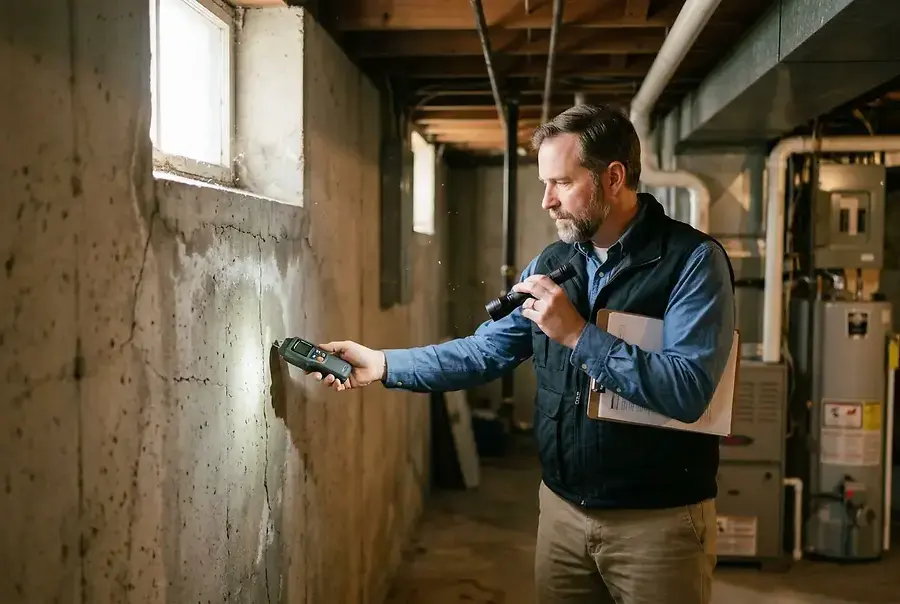
Understanding the Home Inspection Process in Chicago
A home inspection is one of the most important steps in the home buying process. In Chicago, this typically involves hiring a licensed professional to thoroughly evaluate the property's condition before you finalize your purchase. The inspection usually takes 2-4 hours and covers all major systems and components of the home.
During the inspection, the professional will examine the foundation, roof, plumbing, electrical systems, HVAC, and more. They'll document their findings in a detailed report that becomes your roadmap for understanding the property's true condition. This report gives you the leverage you need to make informed decisions about whether to proceed with the purchase, request repairs, or negotiate a lower price.
Why Chicago Homes Need Special Attention
Chicago's climate and aging housing stock present unique challenges. Many homes in the area were built decades ago and may have outdated systems or structural issues related to freeze-thaw cycles, moisture, and age. Understanding these regional factors helps you know what to expect during your inspection.
Key Areas Inspectors Evaluate and Red Flags to Watch
Foundation and Structural Integrity
The foundation is critical. Inspectors look for:
- Cracks in the foundation walls or basement floors
- Water damage or signs of moisture intrusion
- Settling or uneven floors that indicate structural movement
- Efflorescence (white mineral deposits) suggesting water problems
Red flag: Horizontal cracks or bowing walls require immediate professional evaluation and can be extremely costly to repair.
Roof and Exterior
Your roof protects everything beneath it. Inspectors evaluate:
- Shingle condition and remaining lifespan
- Flashing around chimneys and vents
- Gutters and downspouts
- Exterior walls for rot, damage, or deterioration
Red flag: A roof nearing the end of its life (15-20 years) means you'll face replacement costs within a few years of purchase.
Plumbing Systems
Water issues can be expensive. Inspectors check:
- Water pressure and flow
- Pipe material and condition (galvanized, copper, PVC)
- Signs of leaks or water damage
- Sump pump functionality (critical in Chicago)
Red flag: Galvanized pipes corroding from the inside can require complete replacement throughout the home.
Electrical Systems
Safety is paramount. Inspectors examine:
- Panel condition and capacity
- Grounding and bonding
- Outlet and switch functionality
- Presence of aluminum wiring (a fire hazard)
Red flag: Outdated panels or aluminum wiring present serious safety risks and require professional remediation.
HVAC and Mechanical Systems
Comfort and efficiency depend on these systems:
- Furnace age and condition
- Air conditioning functionality
- Ductwork integrity
- Ventilation adequacy
Red flag: An aging furnace or AC unit may fail soon after purchase, requiring expensive replacement.
How to Interpret Inspection Reports and Negotiate Repairs
Understanding the Report
Inspection reports categorize findings by severity. Most use categories like:
- Safety Issues: Problems that pose immediate danger
- Major Repairs: Significant systems needing attention
- Minor Issues: Small problems that don't affect functionality
- Maintenance Items: Regular upkeep recommendations
Focus your attention on safety issues and major repairs. Minor cosmetic issues are typically the buyer's responsibility after closing.
Negotiation Strategies
Once you have the inspection report, you have several options:
- Request repairs: Ask the seller to fix major issues before closing
- Request credits: Negotiate a credit toward closing costs to handle repairs yourself
- Request price reduction: Lower the purchase price to account for needed repairs
- Walk away: If issues are too severe, you can terminate the contract during the inspection period
Be strategic. Prioritize safety issues and expensive repairs. Don't nickel-and-dime the seller over minor items—it can derail the deal and damage your relationship.
Getting Second Opinions
For major issues, consider hiring a specialist. A structural engineer, electrician, or plumber can provide detailed assessments and repair cost estimates. This information strengthens your negotiating position.
Protecting Your Offer: Making Inspections Work in Your Favor
Include an Inspection Contingency
Always include an inspection contingency in your offer. This protects you by allowing you to:
- Conduct a professional inspection
- Review findings without obligation
- Request repairs or credits
- Withdraw from the contract if issues are unacceptable
Without this contingency, you're purchasing the home "as-is" with no recourse.
Attend the Inspection
Be present during the inspection. Ask questions, take notes, and get a firsthand understanding of the property's condition. The inspector can explain issues and answer your concerns directly.
Review Before Closing
Don't skip the final walkthrough before closing. Verify that agreed-upon repairs were completed properly and that the home's condition hasn't changed since the inspection.
Plan for Future Maintenance
Use the inspection report as a maintenance guide. Understanding the age and condition of major systems helps you budget for future replacements and upkeep.
Pro Tip: Keep your inspection report and all repair documentation for your records. These become valuable when you eventually sell the home or file insurance claims.
Final Thoughts
A thorough home inspection is your best defense against costly surprises. By understanding what inspectors evaluate, knowing which red flags matter most, and using the inspection report strategically, you can make confident decisions that protect your investment. In Chicago's competitive real estate market, a well-executed inspection process gives you the information and leverage you need to close on a home you can feel good about.


