Chicago Home Inspection Essentials: Protecting Your Residential Investment
Master the critical inspection process to protect your investment and make confident purchasing decisions in Chicago's competitive market.

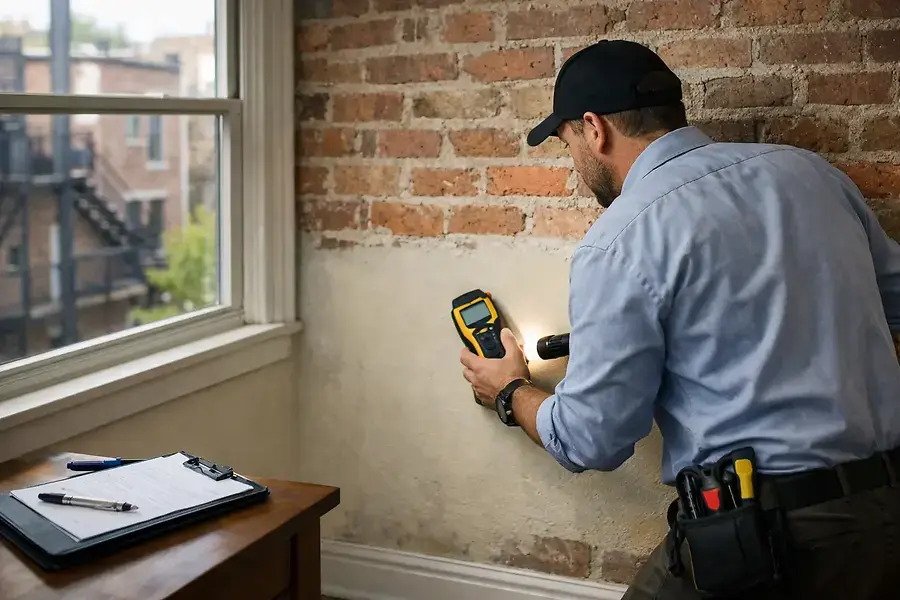
Why Home Inspections Matter in Chicago Real Estate
Purchasing a home in Chicago is one of the most significant financial decisions you'll make. With the city's competitive real estate market and diverse housing stock ranging from historic brownstones to modern condominiums, a professional home inspection is absolutely essential. A thorough inspection provides you with critical information about a property's condition before you commit to the purchase.
Home inspections serve as your protection against unexpected repairs and costly surprises after closing. In Chicago's climate, where homes face unique challenges from harsh winters, humidity, and aging infrastructure, understanding a property's structural integrity and systems is paramount. An inspection report gives you leverage to negotiate repairs, request credits, or adjust your offer price accordingly.
What Professional Home Inspectors Look For in Chicago Properties
Structural Components and Foundation
Chicago's older housing stock means foundation issues are a common concern. Professional inspectors examine the foundation for cracks, settling, and water damage. They assess the structural integrity of walls, floors, and the overall frame of the building. In Chicago, where many homes were built on clay soil, foundation movement is a critical area of focus.
Roofing and Exterior Systems
The roof is your home's first line of defense against Chicago's unpredictable weather. Inspectors evaluate:
- Roof age and remaining lifespan
- Shingle condition and potential leaks
- Gutters and downspout functionality
- Exterior siding, brick, and mortar condition
- Windows and door seals
Heating, Cooling, and Ventilation Systems
Given Chicago's extreme temperature swings, HVAC systems are critical. Inspectors check furnace age, efficiency, and safety. They examine air conditioning units, ductwork, and ventilation systems to ensure proper operation and energy efficiency.
Plumbing and Water Systems
Water damage is a significant concern in Chicago homes. Inspectors test water pressure, check for leaks, examine pipe materials, and assess the water heater's condition. They look for signs of past or present water intrusion, which can lead to mold and structural damage.
Electrical Systems
Safety is paramount when evaluating electrical systems. Inspectors verify that the electrical panel is properly grounded, check for outdated wiring, and ensure outlets and switches function correctly. Older Chicago homes may have outdated electrical systems that need upgrading.
Interior Conditions
A comprehensive inspection includes checking walls, ceilings, floors, and interior doors. Inspectors look for signs of water damage, mold, pest infestation, and structural issues. They also evaluate insulation levels and attic conditions.
Common Issues Found in Chicago Residential Homes and How to Address Them
Water Intrusion and Basement Issues
Chicago's heavy rainfall and snowmelt often lead to basement water problems. Common solutions include installing sump pumps, improving drainage systems, and sealing cracks in the foundation. If mold is present, professional remediation may be necessary.
Aging Roofs
Many Chicago homes have roofs nearing the end of their lifespan. Budget for roof replacement if the inspection reveals significant wear. This is often one of the largest expenses homeowners face, so factor it into your negotiation strategy.
Outdated Electrical Systems
Older homes may have knob-and-tube wiring or insufficient electrical capacity. Modern electrical upgrades are essential for safety and insurance purposes. Obtain quotes from licensed electricians to understand the scope and cost of necessary work.
HVAC System Failures
Furnaces and air conditioning units have limited lifespans. If the inspection reveals aging systems, request the seller provide maintenance records or offer a credit toward replacement. A new HVAC system can cost several thousand dollars, making this a significant negotiation point.
Plumbing Concerns
Galvanized pipes, common in older Chicago homes, can corrode and restrict water flow. Copper or PEX pipe replacement may be necessary. Additionally, sewer line issues are not uncommon and can be expensive to repair.
Pest Infestations
Chicago's urban environment makes pest control important. If the inspection reveals signs of termites, rodents, or other pests, request professional pest control treatment as a condition of sale or negotiate a credit.
Using Inspection Results to Negotiate and Secure Your Chicago Home
Once you receive the inspection report, you have several options. Use the findings strategically to strengthen your negotiating position. Request that the seller address major issues before closing, provide credits for repairs, or adjust the purchase price accordingly.
Prioritize issues by severity and cost. Major structural problems, safety hazards, and expensive system failures should take precedence over cosmetic concerns. Work with your real estate agent to determine which items are negotiable and which are deal-breakers.
Don't overlook the inspection report's positive findings either. Understanding what's in good condition helps you plan future maintenance and budget accordingly. This knowledge allows you to make an informed decision about whether the property represents good value in Chicago's market.
A professional home inspection is your best defense against costly surprises and your strongest tool for negotiating favorable terms. By understanding what inspectors look for and how to interpret their findings, you'll be well-equipped to protect your investment and make confident purchasing decisions in Chicago's competitive real estate landscape.


