Chicago Home Inspection Guide: Protecting Your Real Estate Investment
A comprehensive guide to understanding the critical role home inspections play in protecting your Chicago real estate investment.

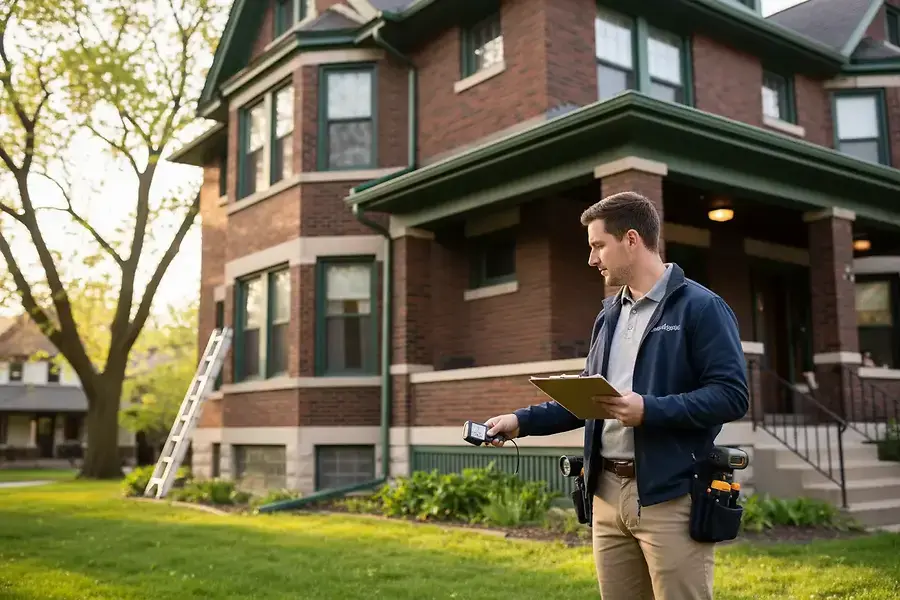
Why Home Inspections Matter in Chicago's Competitive Market
Chicago's real estate market is highly competitive, with properties moving quickly and buyers facing intense pressure to make fast decisions. In this fast-paced environment, a professional home inspection is not just a formality—it's your most important safeguard against costly surprises. A thorough inspection can reveal hidden defects that could cost thousands of dollars to repair, from structural issues to outdated electrical systems.
Home inspections serve as an objective assessment of a property's condition, providing you with detailed information before you commit to one of the largest purchases of your life. In Chicago, where many homes date back decades and have unique architectural features, understanding a property's true condition is critical. An inspection gives you leverage in negotiations and peace of mind in your investment.
What to Expect During a Professional Home Inspection
The Inspection Process
A professional home inspection typically lasts between two to three hours, depending on the property's size and age. The inspector will systematically examine all major systems and components of the home, creating a detailed report of their findings.
Key Areas Inspected
- Structural Components: Foundation, walls, roof, and overall structural integrity
- Roofing System: Condition, age, and remaining lifespan of the roof
- Electrical System: Panel, wiring, outlets, and safety concerns
- Plumbing System: Water pressure, drainage, pipes, and fixtures
- HVAC System: Heating, cooling, and ventilation functionality
- Insulation and Ventilation: Energy efficiency and moisture control
- Interior Components: Walls, ceilings, floors, doors, and windows
- Exterior Elements: Siding, gutters, downspouts, and grading
Your Role During the Inspection
As the buyer, you have the right to be present during the inspection. Many inspectors encourage this, as it allows you to ask questions and understand the property's condition firsthand. Take notes, ask about any concerns, and request clarification on technical issues you don't understand.
Common Issues Found in Chicago Homes and How to Address Them
Foundation and Basement Problems
Chicago's clay soil and freeze-thaw cycles create unique challenges for foundations. Common issues include: cracks in the foundation, water infiltration, and settling. Minor cracks may be cosmetic, but larger ones require professional evaluation. Water in basements is particularly common and may indicate drainage issues or the need for waterproofing solutions.
Roof and Weather Damage
Chicago's harsh winters and variable weather take a toll on roofs. Inspectors often find missing shingles, deteriorated flashing, and inadequate ventilation. If your roof is nearing the end of its lifespan, budget for replacement costs or negotiate with the seller for repairs before closing.
Outdated Electrical Systems
Older Chicago homes frequently have outdated electrical panels and wiring that may not meet current safety codes. Aluminum wiring and knob-and-tube wiring are particular concerns. These systems may need upgrading to safely support modern electrical demands and meet insurance requirements.
Plumbing Concerns
Aging pipes are a significant issue in Chicago's older housing stock. Galvanized pipes corrode over time, reducing water pressure and quality. Cast iron drain pipes can crack and collapse. Replacing these systems is expensive but essential for long-term home functionality.
HVAC System Age
Many Chicago homes have aging heating and cooling systems. An inspection will reveal the age and condition of these critical systems. If replacement is needed, factor this substantial expense into your purchase decision or use it as a negotiation point.
Moisture and Mold Issues
Chicago's humid climate makes moisture control critical. Inspectors look for signs of mold, mildew, and water damage in attics, basements, and crawl spaces. These issues can affect indoor air quality and require professional remediation.
Using Inspection Results to Negotiate and Close Your Chicago Home Purchase
Understanding Your Inspection Report
Once the inspection is complete, you'll receive a detailed report categorizing issues by severity. Major concerns require immediate attention, while minor issues may be deferred. Review the report carefully and discuss findings with your inspector and real estate agent.
Negotiation Strategies
Use your inspection report as a negotiation tool. You have several options:
- Request the seller make repairs before closing
- Ask for a price reduction to cover repair costs
- Request a credit at closing for repairs you'll handle yourself
- Walk away if issues are too severe or costly
Be strategic in your negotiations. Focus on major issues that affect safety, structural integrity, or significant repair costs. Don't nitpick minor cosmetic issues that are typical for older homes.
Final Walk-Through
Before closing, conduct a final walk-through to verify that agreed-upon repairs have been completed and the property's condition hasn't changed. This is your last opportunity to address any concerns before taking ownership.
Moving Forward with Confidence
A thorough home inspection empowers you to make informed decisions about your Chicago real estate investment. Whether you're buying a historic brownstone, a modern condo, or a suburban home, understanding the property's condition protects your financial interests and ensures you're making a sound investment.
Remember: A home inspection is not an expense—it's an investment in your peace of mind and financial security.