Chicago Home Inspection: What Buyers Must Know Before Closing
Discover the critical inspection red flags and negotiation strategies that protect your investment in Chicago's competitive real estate market.

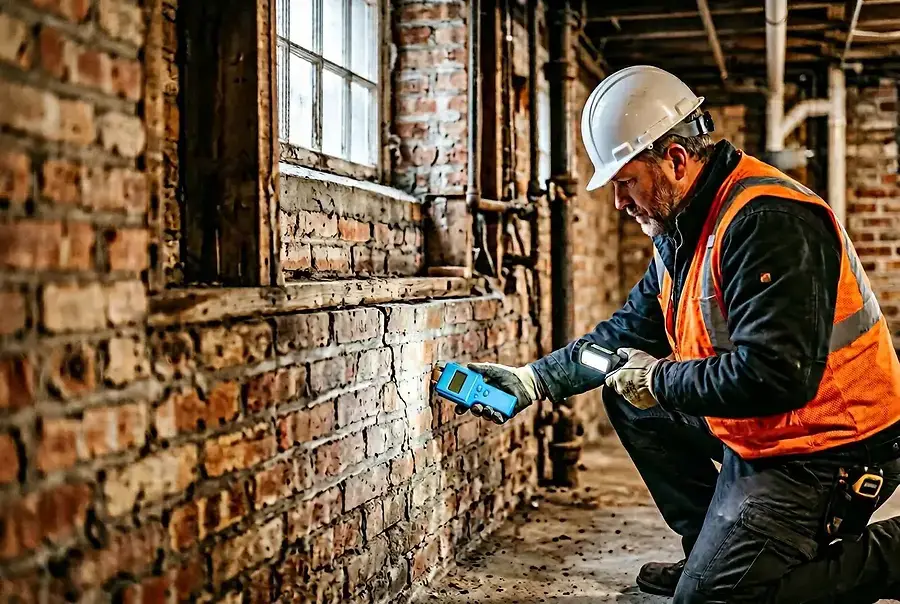
Understanding Chicago's Unique Inspection Challenges
Chicago's real estate market presents distinct inspection challenges that differ significantly from other regions. The city's climate, aging housing stock, and architectural diversity create specific vulnerabilities that buyers must understand before making their purchase.
The Midwest's harsh winters and temperature fluctuations take a toll on homes in ways that inspectors specifically look for in Chicago properties. Freeze-thaw cycles cause foundation cracks, roof damage, and plumbing issues that are less common in milder climates. Additionally, many Chicago homes were built before modern building codes were established, meaning older construction methods and materials may not meet current standards.
The Age Factor
Chicago's housing stock is predominantly older, with many properties built in the early 1900s. While these homes offer charm and character, they also come with hidden complications. Lead paint, asbestos, and outdated electrical systems are common findings in pre-1980s homes. Understanding these issues before closing allows you to budget for remediation or negotiate credits with the seller.
Climate-Related Concerns
The combination of heavy snow, ice, and temperature swings creates predictable problems in Chicago homes:
- Roof deterioration and ice dam damage
- Foundation settling and cracking
- Basement moisture and flooding issues
- Frozen pipes and water damage
- HVAC system strain and failure
Common Issues Found in Chicago Homes and How to Address Them
Knowing what to expect during your inspection helps you ask the right questions and understand the inspector's findings. Here are the most prevalent issues found in Chicago properties:
Basement and Foundation Problems
Chicago's clay soil and water table create persistent basement challenges. Water intrusion, efflorescence, and foundation cracks are nearly universal in older homes. While minor cracks are often cosmetic, horizontal cracks or bowing walls indicate serious structural issues requiring professional assessment. Request a separate foundation inspection if concerns arise during the general inspection.
Roof and Attic Issues
Chicago winters are brutal on roofing materials. Look for:
- Missing or curled shingles
- Inadequate attic ventilation
- Ice dam damage and water stains
- Flashing deterioration around chimneys and vents
A roof nearing the end of its lifespan is a significant expense. Request the inspector provide the estimated remaining life and get a roofing contractor's quote for replacement costs.
Electrical and Plumbing Systems
Older Chicago homes often have outdated electrical panels and plumbing. Knob-and-tube wiring, aluminum wiring, and cast iron pipes are common findings. While not always dangerous, these systems may need upgrading. Galvanized water pipes are prone to corrosion, affecting water quality and pressure. Budget for potential updates when making your offer.
HVAC Systems
Heating systems in Chicago homes work overtime during winter months. Aging furnaces become inefficient and unreliable. Ask for maintenance records and consider requesting a separate HVAC inspection if the system is over 15 years old.
Negotiating Repairs and Credits After Your Inspection Report
The inspection report is your negotiating tool. Understanding how to use it effectively can save thousands of dollars and prevent future headaches.
Prioritizing Issues
Not every finding requires negotiation. Focus on structural issues, safety concerns, and major systems. Minor cosmetic issues are typically the buyer's responsibility. Categorize findings into three groups:
- Critical: Safety hazards and structural problems requiring immediate attention
- Important: Major system failures or significant repairs needed within a few years
- Minor: Cosmetic issues and routine maintenance items
Repair vs. Credit Strategy
Decide whether you want the seller to make repairs or provide a credit toward closing costs. In Chicago's competitive market, sellers often prefer credits to avoid liability for contractor work. However, getting repairs done before closing ensures they meet your standards and prevents disputes later.
Request multiple contractor quotes for major issues. This gives you concrete numbers for negotiation and prevents the seller from claiming inflated repair costs.
Negotiation Tactics
Be reasonable and data-driven. Present your inspection report alongside contractor estimates. Sellers are more likely to negotiate when faced with professional documentation. Avoid emotional language and focus on facts. Remember that in Chicago's market, sellers have options—unreasonable demands may cause them to walk away.
Consider the timing of repairs. Some issues can wait until after closing, while others need immediate attention. Prioritize accordingly in your negotiations.
Closing Strong: Using Inspection Findings to Protect Your Purchase
The inspection period is your opportunity to verify the property's condition before you're legally obligated to purchase. Use this time strategically.
Walk-Through Before Closing
Conduct a final walk-through 24 hours before closing. Verify that any agreed-upon repairs were completed satisfactorily and that the property's condition hasn't changed. Check that appliances and fixtures that were supposed to stay are still present.
Document Everything
Keep copies of all inspection reports, contractor estimates, and negotiation correspondence. These documents protect you if issues arise after closing. Take photographs of any problem areas for your records.
Understand Your Contingencies
Your purchase agreement likely includes an inspection contingency. Understand the deadline for requesting repairs or credits. In Chicago, this is typically 7-10 days after the inspection. Missing this deadline eliminates your negotiating power.
Plan for Post-Closing Maintenance
Even after thorough inspection, budget for maintenance and unexpected repairs. Chicago homes require regular attention to:
- Gutter cleaning and maintenance
- Basement waterproofing
- HVAC servicing
- Roof inspections
- Foundation monitoring
A home inspection is your most valuable tool in Chicago's real estate market. By understanding the region's unique challenges, knowing what to look for, and negotiating strategically, you protect your investment and ensure a smooth closing. Don't rush the inspection process—it's the foundation of confident homeownership in Chicago.