Chicago Home Inspections: Essential Buyer's Guide to Protecting Your Investment
Discover the critical inspection points that protect your investment and reveal hidden issues before closing day.

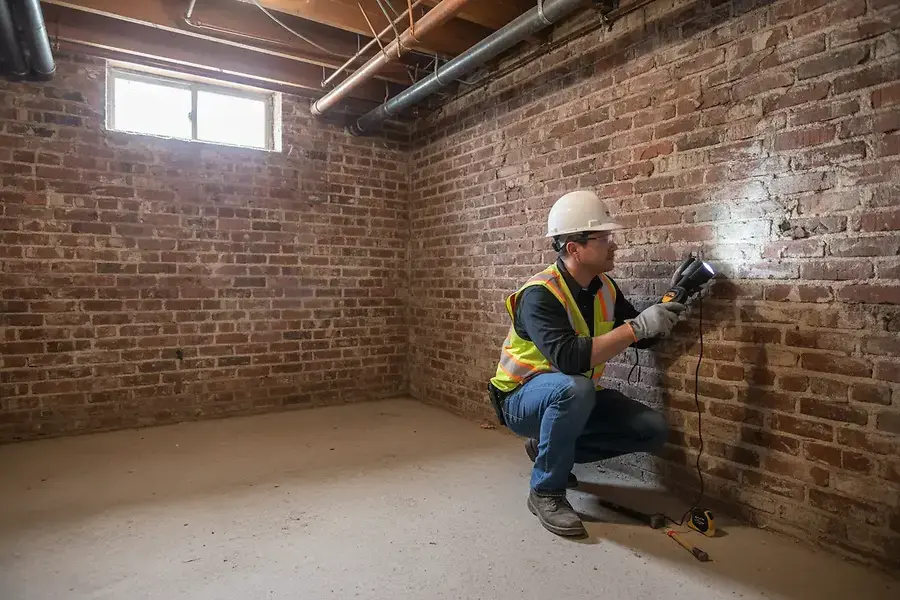
Why Home Inspections Matter in Chicago's Real Estate Market
Purchasing a home is one of the most significant financial decisions you'll make in your lifetime. In Chicago's competitive real estate market, a professional home inspection serves as your critical safeguard against costly surprises after closing day. Unlike appraisals, which determine a property's market value, inspections focus on the actual condition of the structure and its systems.
Chicago's unique climate and aging housing stock make inspections particularly important. Many homes in the city were built decades ago, and the freeze-thaw cycles of harsh winters can take a serious toll on foundations, roofing, and exterior elements. A thorough inspection reveals issues that could cost thousands to repair, giving you the information needed to make confident decisions about your investment.
Why should you prioritize a home inspection? Beyond identifying problems, inspections provide leverage in negotiations. If significant issues are discovered, you can request repairs, credits, or price reductions before committing to the purchase.
Common Issues Found in Chicago Homes: Foundation, Roof, and System Problems
Foundation Concerns
Chicago's clay soil and variable moisture levels create ideal conditions for foundation problems. Inspectors look for:
- Cracks in basement walls or floors
- Water intrusion and moisture damage
- Bowing or leaning walls
- Gaps between walls and floors
- Signs of previous repairs or patching
Even minor cracks can indicate larger structural issues. Foundation repairs in Chicago can range from a few hundred dollars for minor cracks to tens of thousands for serious structural work. Early detection through inspection is crucial.
Roofing Issues
Chicago's weather is harsh on roofs. Inspectors evaluate:
- Shingle condition and remaining lifespan
- Flashing around chimneys and vents
- Gutter systems and drainage
- Signs of leaks or water damage in attics
- Proper ventilation to prevent ice dams
A roof replacement can cost $8,000 to $20,000 or more, making this one of the most expensive home systems to repair. Knowing the roof's age and condition helps you budget for future maintenance.
HVAC and Plumbing Systems
Chicago homes rely heavily on heating systems due to long, cold winters. Inspectors check:
- Furnace age, efficiency, and safety
- Water heater condition and capacity
- Pipe materials and signs of corrosion
- Electrical panel safety and capacity
- Air conditioning functionality
Outdated systems may still function but lack efficiency. Older furnaces and water heaters consume more energy and may need replacement within a few years. Understanding these systems helps you plan for upgrades and energy savings.
What to Expect During the Inspection Process and How to Prepare
The Inspection Timeline
A typical home inspection takes 2-4 hours, depending on the property's size and age. The inspector will systematically examine the home's exterior, interior, foundation, attic, and mechanical systems. You should plan to be present during the inspection to ask questions and understand the findings firsthand.
Preparing for Your Inspection
To get the most value from your inspection:
- Arrive early to meet the inspector and discuss any concerns about the property
- Ask questions about findings and what they mean for future repairs
- Take notes on areas of concern for follow-up research
- Request clarification on technical terms and repair estimates
- Request access to the attic, basement, and mechanical areas
Understanding the Inspection Report
After the inspection, you'll receive a detailed report categorizing findings by severity. Issues are typically classified as:
- Critical: Safety hazards or major structural problems requiring immediate attention
- Major: Significant defects affecting home value or functionality
- Minor: Small repairs or maintenance items
- Informational: Notes about the home's systems and maintenance recommendations
Review the report carefully and discuss findings with your real estate agent. This information becomes your negotiating tool in the days following the inspection.
When to Request Additional Inspections
Beyond the general inspection, consider specialized inspections for:
- Radon testing: A colorless, odorless gas that can accumulate in basements
- Mold inspection: Particularly important in older Chicago homes with moisture issues
- Pest inspection: To identify termites, rodents, or other infestations
- Chimney inspection: Essential if the home has a fireplace
- Septic system inspection: If the property uses a septic system
Using Inspection Results to Negotiate and Make Confident Offers
The inspection report is your roadmap for negotiation. Armed with detailed findings, you have three primary options:
Request repairs from the seller before closing, ask for a credit to cover repair costs, or renegotiate the purchase price based on the home's actual condition.
Be strategic in your requests. Focus on critical and major issues rather than minor maintenance items. Sellers are more likely to accept requests for safety-related repairs than cosmetic improvements.
If the inspection reveals significant problems that exceed your comfort level or budget, you may have grounds to withdraw from the purchase, depending on your contract's inspection contingency clause. This protection is invaluable in protecting your investment.
A professional home inspection in Chicago typically costs $300-$500 but can save you thousands in unexpected repairs and provide peace of mind. By understanding what inspectors look for and how to use their findings, you're taking control of one of life's biggest purchases. Don't skip this critical step—your future self will thank you.