Chicago Home Selling: Pricing Your Property for Maximum Returns
Learn proven strategies to accurately price your Chicago home and attract serious buyers in today's competitive market.

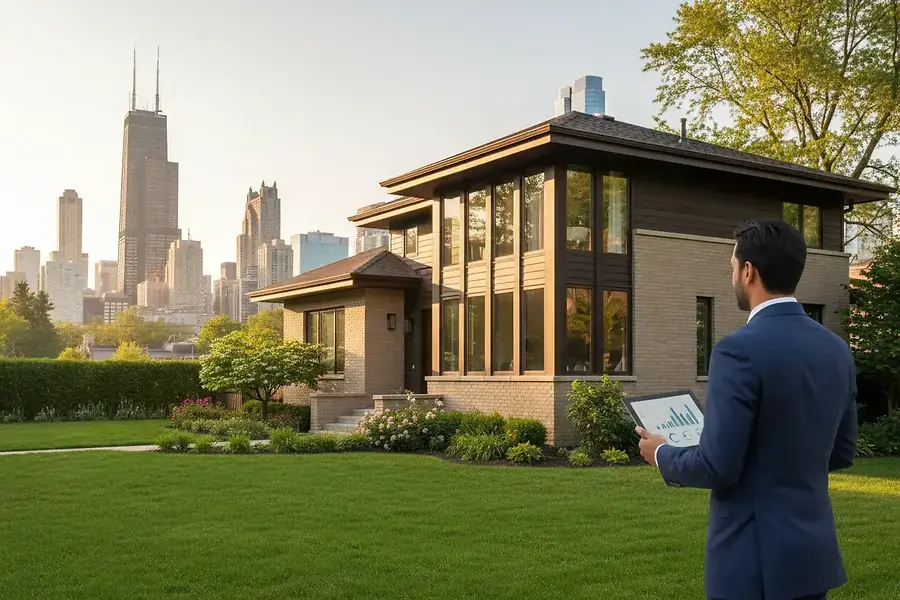
Understanding Chicago's Current Real Estate Market Dynamics
The Chicago real estate market continues to evolve with shifting buyer preferences and economic conditions. As a seller, understanding these dynamics is crucial to positioning your property effectively. The market has become increasingly competitive, with buyers conducting thorough research before making offers. This means your pricing strategy must be both aggressive and realistic to stand out.
Chicago's diverse neighborhoods attract different buyer demographics, from young professionals seeking urban living to families looking for suburban tranquility. The current market favors well-priced homes that offer genuine value. Properties priced too high may languish on the market, while underpriced homes leave money on the table. Finding that sweet spot requires knowledge of recent sales data, market trends, and neighborhood-specific factors.
Market Trends Affecting Home Values
Several key trends are shaping Chicago's real estate landscape. Interest rates, inventory levels, and buyer sentiment all play significant roles in determining how quickly homes sell and at what price. Properties in desirable neighborhoods with strong schools and amenities continue to appreciate, while areas undergoing revitalization present opportunities for savvy sellers.
Key Factors That Influence Home Values in Chicago Neighborhoods
Chicago's neighborhoods are incredibly diverse, and each has unique characteristics that affect property values. Understanding these factors will help you price your home competitively and attract the right buyers.
Location and Neighborhood Desirability
Location remains the primary driver of home values in Chicago. Neighborhoods like Lincoln Park, Wicker Park, and the Gold Coast command premium prices due to their established reputations, walkability, and amenities. However, emerging neighborhoods offer excellent opportunities for sellers looking to capitalize on revitalization trends. Research comparable sales in your specific neighborhood to understand the local market better.
School Districts and Family Appeal
Families prioritize school quality when choosing neighborhoods. Homes in areas with highly-rated schools typically sell faster and at higher prices. Even if you don't have children, understanding your area's school ratings is essential for pricing purposes. Properties near top-performing schools can command premiums of 10-20% compared to similar homes in lower-rated districts.
Property Condition and Age
The condition of your home significantly impacts its value. Well-maintained properties with updated systems, modern kitchens, and quality finishes attract buyers willing to pay premium prices. Conversely, homes requiring significant repairs may need aggressive pricing to generate interest. Be honest about your property's condition when determining your asking price.
Amenities and Proximity to Services
Buyers value proximity to:
- Public transportation and major highways
- Shopping centers and restaurants
- Parks and recreational facilities
- Healthcare facilities and hospitals
- Employment centers
Homes within walking distance of these amenities typically command higher prices. Consider your property's accessibility when setting your asking price.
Pricing Strategies to Maximize Your Sale Price and Speed
Implementing the right pricing strategy is essential for success. Here are proven approaches used by top Chicago real estate professionals.
Conduct a Comprehensive Comparative Market Analysis
A Comparative Market Analysis (CMA) is your foundation for pricing. This involves analyzing recent sales of similar properties in your neighborhood. Look for homes with comparable:
- Square footage (within 10-15%)
- Age and condition
- Number of bedrooms and bathrooms
- Lot size and features
Focus on recent sales rather than listing prices, as actual sale prices reveal true market value. Adjust for differences between your home and comparable properties to arrive at a realistic asking price.
Price Strategically for Market Penetration
Consider pricing your home slightly below market value to generate immediate interest and multiple offers. This strategy, called strategic underpricing, can result in:
- More showings and buyer interest
- Multiple competing offers
- Faster sale timeline
- Potential for offers above asking price
However, don't underprice excessively. A 3-5% discount below market value typically generates the best results without leaving significant money on the table.
Highlight Unique Features and Value Propositions
Every home has unique characteristics that appeal to specific buyers. Whether it's original hardwood floors, a renovated kitchen, outdoor space, or energy-efficient upgrades, emphasize these features in your marketing. Homes with distinctive qualities often justify premium pricing when properly highlighted.
Time Your Market Entry Strategically
Market timing affects pricing and sale speed. Spring and early summer typically see increased buyer activity, potentially supporting higher prices. However, less competition during fall and winter months may mean faster sales for well-priced homes. Consider your personal timeline and market conditions when deciding when to list.
Work with a Local Real Estate Professional
Expert guidance is invaluable. A knowledgeable Chicago real estate agent brings:
- Access to comprehensive market data and MLS information
- Understanding of neighborhood-specific trends
- Experience with pricing strategies that work in your area
- Professional marketing and buyer connections
- Negotiation expertise to maximize your final sale price
The right agent can be the difference between a mediocre sale and an exceptional one.
Prepare Your Home for Maximum Appeal
Pricing and presentation go hand-in-hand. Before listing, consider:
- Professional staging to showcase your home's potential
- Fresh paint and minor cosmetic updates
- Thorough cleaning and decluttering
- Professional photography and virtual tours
- Curb appeal improvements
A well-presented home justifies higher pricing and sells faster.
Conclusion: Positioning Your Chicago Home for Success
Pricing your Chicago home correctly is both an art and a science. Success requires understanding market dynamics, analyzing neighborhood factors, and implementing strategic pricing approaches. The goal is to attract serious buyers quickly while maximizing your return on investment.
Start by conducting thorough market research and obtaining a professional CMA. Consider your home's unique features, condition, and location when determining your asking price. Don't hesitate to work with experienced local professionals who understand Chicago's diverse real estate landscape.
Remember that pricing is not static. If your home isn't generating interest after 2-3 weeks on the market, be prepared to adjust. Conversely, strong early interest may indicate you've priced below market value. Stay flexible, monitor market feedback, and adjust your strategy as needed.
By combining data-driven analysis with strategic pricing tactics, you'll position your Chicago home for maximum returns and attract the serious buyers ready to make their move.


