Chicago Neighborhoods with Strong Home Value Appreciation Trends
Discover which Chicago neighborhoods on the North, West, and South Sides are seeing the most significant property value growth and why savvy buyers are investing there.

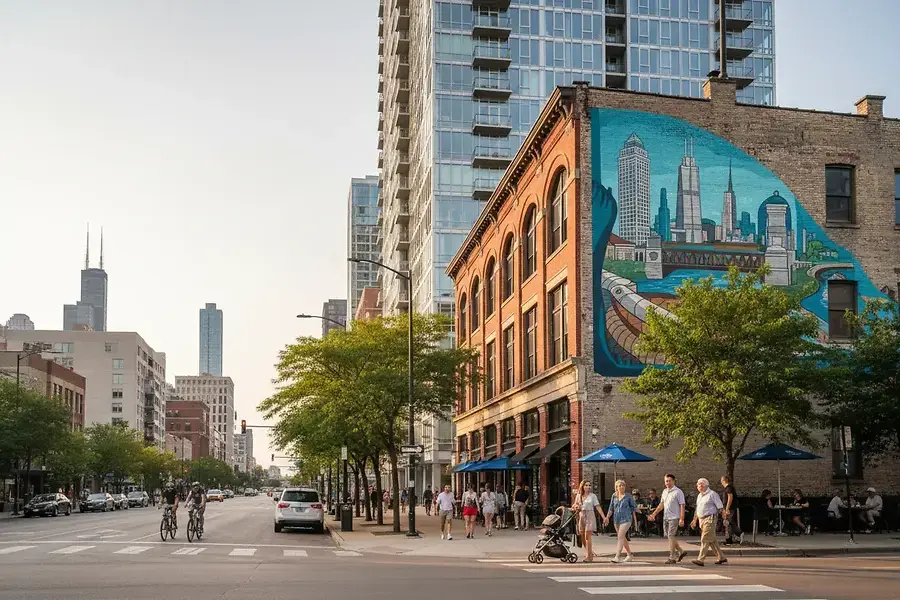
Understanding Chicago's Real Estate Market Dynamics
Chicago's real estate market has undergone a remarkable transformation in recent years, with certain neighborhoods emerging as prime investment destinations. The city's diverse neighborhoods each tell a unique story of revitalization, economic growth, and community development. Understanding these market dynamics is essential for anyone looking to make informed real estate decisions in the Windy City.
The appreciation trends across Chicago's neighborhoods are driven by a combination of factors: infrastructure improvements, demographic shifts, local business development, and increased demand from both owner-occupants and investors. The North, West, and South Sides have each experienced distinct growth patterns, creating opportunities for those who understand where to look.
Neighborhoods Leading the Appreciation Curve: Logan Square, Pilsen, and Beyond
Logan Square: The Established Trendsetter
Logan Square has solidified its position as one of Chicago's most desirable neighborhoods, with property values reflecting sustained appreciation over the past several years. This West Side gem has attracted young professionals, families, and entrepreneurs drawn to its vibrant arts scene, eclectic dining options, and walkable streets. The neighborhood's iconic Logan Square monument and thriving cultural institutions have become symbols of urban revitalization.
What makes Logan Square particularly attractive to investors is its combination of established infrastructure and continued development. New restaurants, galleries, and boutiques continue to open, while residential properties command premium prices. The neighborhood's appeal extends beyond aesthetics—strong schools, proximity to downtown, and excellent public transportation make it a practical choice for long-term residents.
Pilsen: The Rising Star
Pilsen represents one of Chicago's most compelling investment opportunities, with property values appreciating at impressive rates. This historic West Side neighborhood, known for its vibrant Mexican-American culture and stunning street art, is experiencing a renaissance. The neighborhood's authentic character, combined with improving amenities and increasing demand, has positioned it as a neighborhood on the rise.
The transformation of Pilsen is evident in its growing restaurant scene, art galleries, and boutique shops. Young professionals and families are discovering the neighborhood's charm and affordability relative to nearby areas. Property investors have taken notice, recognizing that Pilsen offers strong appreciation potential with room for growth.
North Side Opportunities: Ravenswood and Beyond
The North Side continues to attract investment with neighborhoods like Ravenswood showing strong appreciation trends. This area offers a more residential feel while maintaining excellent connectivity to downtown and other parts of the city. The neighborhood's tree-lined streets, vintage architecture, and community-focused atmosphere appeal to families and professionals alike.
Ravenswood's appreciation is supported by ongoing residential development, improved retail corridors, and strong community engagement. The neighborhood's relatively more affordable entry point compared to some North Side areas makes it attractive to first-time homebuyers and investors seeking value.
South Side Growth: Bridgeport and Bronzeville
The South Side is experiencing renewed interest, with neighborhoods like Bridgeport and Bronzeville showing promising appreciation trends. These historically significant neighborhoods are attracting new investment and attention as developers recognize their potential. Bridgeport's proximity to downtown, combined with ongoing revitalization efforts, has sparked property value growth.
Bronzeville, with its rich African-American heritage and cultural significance, is experiencing a cultural and economic renaissance. New residential developments, improved public spaces, and growing business activity are driving appreciation in this historically important neighborhood.
Investment Fundamentals: What Drives Property Values in These Communities
Infrastructure and Transportation
One of the primary drivers of property appreciation in Chicago's leading neighborhoods is improved infrastructure and transportation access. Neighborhoods with strong public transit connections, bike lanes, and pedestrian-friendly streets command higher property values. The expansion and improvement of the CTA system, along with the development of bike infrastructure, has made certain neighborhoods significantly more accessible and desirable.
Economic Development and Job Growth
Local economic development plays a crucial role in property appreciation. Neighborhoods that attract new businesses, startups, and corporate offices create employment opportunities and increase demand for housing. The growth of creative industries, tech companies, and service businesses in neighborhoods like Logan Square and Pilsen has directly contributed to rising property values.
Community Amenities and Quality of Life
The availability of quality restaurants, retail shops, parks, and cultural institutions significantly impacts property values. Neighborhoods that invest in public spaces, support local businesses, and foster vibrant community life attract more residents and investors. The presence of farmers markets, community gardens, and cultural events enhances neighborhood appeal and supports appreciation.
School Quality and Family Appeal
For many homebuyers, school quality is a primary consideration. Neighborhoods with strong schools, whether public or private, experience stronger demand and higher property values. Investment in education and community programs makes neighborhoods more attractive to families, supporting long-term appreciation.
Demographic Trends and Population Growth
Neighborhoods experiencing population growth and demographic diversity tend to see stronger property appreciation. The influx of young professionals, families, and diverse populations creates demand for housing and supports local businesses. Understanding demographic trends helps investors identify neighborhoods positioned for future growth.
Positioning Yourself as a Local Market Expert
To successfully navigate Chicago's real estate market, it's essential to understand the specific dynamics of individual neighborhoods. Rather than viewing Chicago as a monolithic market, recognize that each neighborhood has unique characteristics, growth drivers, and investment potential.
Key strategies for success include:
- Conducting thorough neighborhood research before making investment decisions
- Monitoring local development projects and infrastructure improvements
- Understanding demographic trends and population movements
- Evaluating school quality and community amenities
- Tracking property value trends over time to identify patterns
- Building relationships with local real estate professionals and community leaders
- Considering both current conditions and future growth potential
Chicago's neighborhoods with strong appreciation trends share common characteristics: improving infrastructure, growing economic activity, vibrant communities, and increasing demand from residents and investors. By understanding these fundamentals and staying informed about local market dynamics, you can position yourself to make smart real estate decisions in the Windy City.
The neighborhoods discussed—Logan Square, Pilsen, Ravenswood, Bridgeport, and Bronzeville—represent different stages of development and appreciation. Some are already established as premium neighborhoods, while others offer compelling opportunities for investors seeking value and growth potential. The key is understanding your investment goals and matching them with neighborhoods that align with your timeline and risk tolerance.
Whether you're a first-time homebuyer, seasoned investor, or simply curious about Chicago's real estate market, the neighborhoods experiencing strong appreciation trends offer valuable lessons about what drives property values and community development in one of America's great cities.


