Chicago Property Inspection: What Buyers and Sellers Need to Know
Discover the critical inspection process that protects your investment and prevents costly surprises in Chicago real estate transactions.

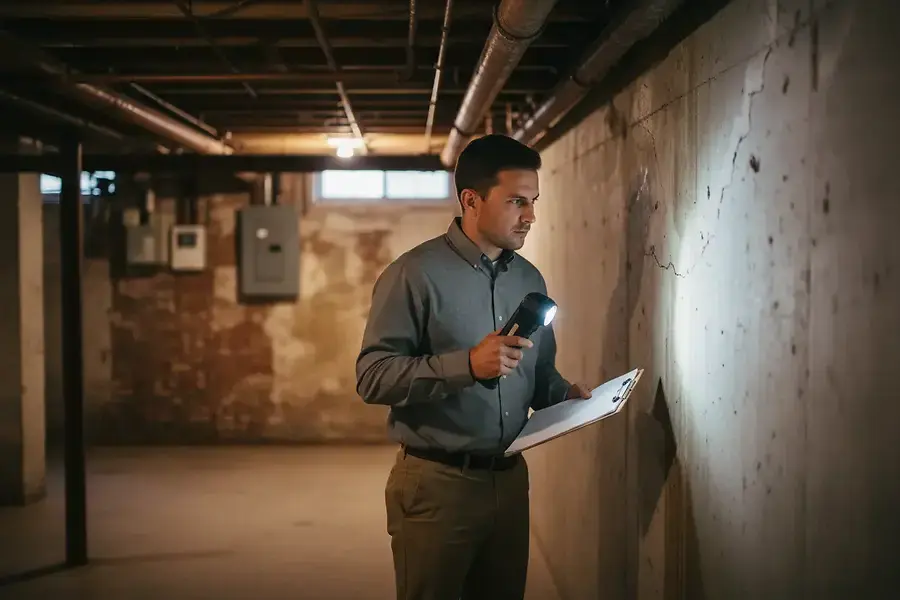
Why Property Inspections Matter in Chicago Real Estate
A property inspection is one of the most important steps in any real estate transaction, whether you're buying or selling in Chicago. This comprehensive evaluation protects your financial investment and reveals potential issues that could cost thousands of dollars down the road. For buyers, an inspection provides peace of mind and negotiating power. For sellers, it demonstrates transparency and can help expedite the sale process.
Chicago's diverse housing stock—from historic brownstones to modern condominiums—requires thorough inspections tailored to each property type. The city's age, climate, and building codes make inspections particularly crucial. Many Chicago properties are over 50 years old, which means they may have outdated systems, structural concerns, or hidden damage that only a professional inspector can identify.
Did you know? A professional home inspection typically costs between $300-$500 in Chicago but can save you from purchasing a property with tens of thousands of dollars in hidden repairs.
What to Expect During a Residential and Commercial Property Inspection
The Inspection Process
A standard residential property inspection in Chicago takes 2-4 hours, depending on the property's size and age. The inspector will systematically evaluate every major system and component of the home, creating a detailed report with photographs and recommendations.
During the inspection, you should expect the professional to examine:
- Structural components: Foundation, walls, roof, and framing
- Exterior elements: Siding, windows, doors, gutters, and drainage systems
- Roofing: Condition, age, and remaining lifespan
- HVAC systems: Heating, cooling, and ventilation functionality
- Plumbing: Water pressure, drainage, and potential leaks
- Electrical systems: Panel condition, outlet safety, and code compliance
- Interior features: Walls, ceilings, floors, and built-in appliances
- Basement and attic: Moisture, insulation, and ventilation
Commercial Property Inspections
Commercial inspections in Chicago follow similar protocols but include additional considerations such as ADA compliance, fire safety systems, commercial HVAC units, and tenant-related issues. These inspections are more complex and may take longer than residential evaluations.
Red Flags and Common Issues Found in Chicago Properties
Structural and Foundation Problems
Chicago's clay soil and freeze-thaw cycles create unique challenges for property foundations. Inspectors frequently identify cracks, settling, and water intrusion in basements—issues that are particularly common in older Chicago homes. Foundation repairs can cost $10,000 to $50,000 or more, making this a critical area of inspection.
Roof and Water Damage
The harsh Chicago winters take a toll on roofs. Inspectors look for missing shingles, improper flashing, ice dam damage, and signs of leaks. Water damage in attics and upper floors often indicates roofing problems that need immediate attention.
Outdated Electrical and Plumbing Systems
Many Chicago properties still have outdated aluminum wiring or knob-and-tube electrical systems that pose fire hazards. Similarly, old galvanized pipes may have corrosion issues affecting water quality and pressure. These upgrades are essential for safety and modern living standards.
HVAC System Age and Efficiency
Heating systems in Chicago properties are critical investments. Inspectors evaluate furnace age, efficiency ratings, and functionality. A failing furnace in a Chicago winter can be a serious problem, and replacement costs typically range from $4,000 to $8,000.
Pest and Moisture Issues
Chicago's humid climate creates conditions favorable for mold, mildew, and pest infestations. Inspectors check for signs of termites, rodents, and moisture problems in crawl spaces, basements, and walls.
How to Use Inspection Results to Negotiate Better Deals and Protect Your Investment
For Buyers: Leverage Your Inspection Report
Once you receive the inspection report, you have several options. Use the findings to negotiate repairs or credits with the seller. If major issues are discovered, you can request that the seller fix them before closing, offer a price reduction, or ask for a credit toward repairs you'll handle yourself.
Don't panic over minor issues listed in the report. Focus on significant problems that affect safety, structural integrity, or major systems. Work with your real estate agent to prioritize which items are worth negotiating.
For Sellers: Address Issues Proactively
If you're selling a Chicago property, consider getting a pre-inspection before listing. This allows you to address major issues upfront, set realistic pricing, and avoid last-minute negotiations that could derail a sale. Transparency builds buyer confidence and can actually speed up the selling process.
Protecting Your Long-Term Investment
Use the inspection report as a maintenance roadmap for the future. Prioritize repairs based on urgency and cost. Some issues require immediate attention for safety reasons, while others can be scheduled during appropriate seasons—such as roof repairs in spring or foundation work in summer.
Keep detailed records of all repairs and maintenance performed on the property. This documentation increases your property's value and provides peace of mind for future buyers if you decide to sell.
When to Request Additional Inspections
The general home inspection is just the beginning. Consider specialized inspections for:
- Radon testing (important in Chicago)
- Lead paint assessment (critical for pre-1978 homes)
- Asbestos evaluation
- Chimney and fireplace inspection
- Septic system evaluation (for properties outside city limits)
A property inspection is your best defense against costly surprises in Chicago real estate transactions. Whether you're buying or selling, understanding the inspection process and using the results strategically protects your investment and ensures a smoother transaction. Don't skip this critical step—your future self will thank you.


