Chicago Residential Market: What Sellers Should Know in 2026
Master the current market dynamics and pricing strategies to sell your Chicago home faster and for top dollar.

Understanding Chicago's Current Residential Market Conditions
The Chicago residential market continues to evolve with distinct characteristics that every seller should understand before listing their property. The market has stabilized after recent fluctuations, creating a balanced environment where informed sellers have a competitive advantage.
Market Inventory and Demand
Chicago's housing inventory remains moderate, with selective neighborhoods experiencing higher demand than others. North Shore communities, Lincoln Park, and Wicker Park continue to attract buyers, while emerging neighborhoods offer opportunities for sellers seeking less competitive markets. The key is understanding your specific neighborhood's dynamics.
Buyer demand has shifted toward properties that offer value and move-in readiness. Homes that require significant renovations face longer selling periods, while well-maintained properties with modern updates attract multiple offers.
Interest Rates and Buyer Purchasing Power
Current mortgage rates have stabilized at levels that maintain reasonable buyer purchasing power. This stability means qualified buyers are actively searching for homes, but they're also more selective about price and condition. Overpricing remains one of the most common mistakes sellers make, often resulting in extended listing times and eventual price reductions.
Pricing Your Chicago Home Competitively in Today's Market
Strategic pricing is perhaps the most critical factor in a successful sale. The difference between an attractive price and an inflated one can mean weeks or months on the market.
Conducting a Thorough Comparative Market Analysis
Before setting your price, analyze recently sold comparable properties in your neighborhood. Look beyond surface-level similarities:
- Properties sold within the last 90 days in your immediate area
- Homes with similar square footage, lot size, and age
- Comparable condition and recent updates
- Proximity to schools, transit, and amenities
Work with an experienced real estate agent who has access to comprehensive market data and understands your specific neighborhood's nuances. Their expertise in pricing can directly impact your bottom line.
The Psychology of Pricing
Psychological pricing remains powerful in real estate. A home priced at $449,900 generates more interest than one priced at $475,000, even if the difference seems minor.
Homes priced within the first 10% of their market value typically sell 30% faster than overpriced properties.
Consider pricing slightly below market value if you want to generate bidding wars and sell quickly. This strategy often results in a final sale price that exceeds what you would have received with an inflated initial listing price.
Seasonal Pricing Adjustments
Chicago's seasons significantly impact buyer behavior. Spring and early summer attract the most active buyers, while winter sees reduced competition. If selling during slower seasons, adjust your pricing strategy accordingly to remain competitive.
Preparing Your Property to Stand Out to Buyers
Even in a balanced market, presentation matters tremendously. Buyers form opinions within minutes of entering a home, and first impressions directly influence their willingness to make offers.
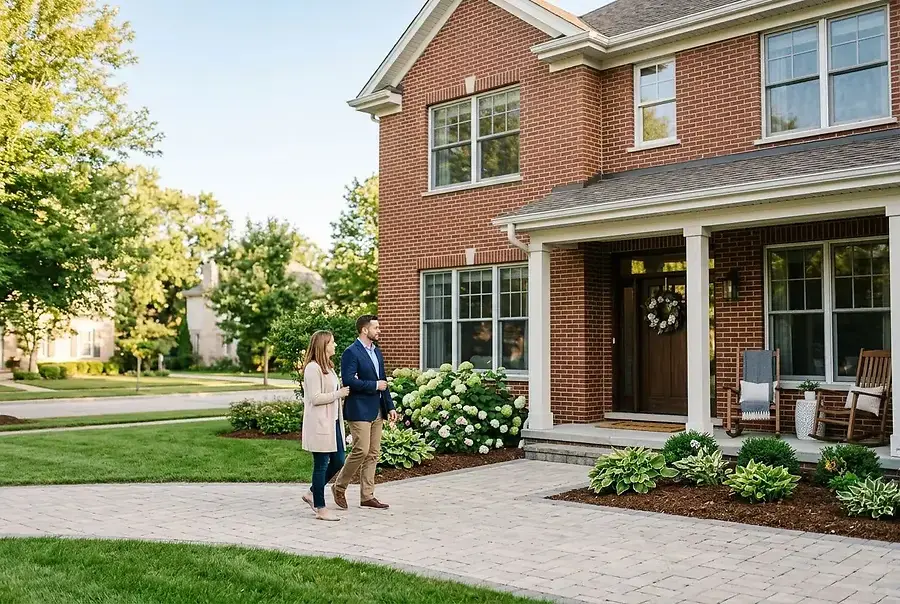
Curb Appeal and Exterior Presentation
Your home's exterior is the first thing buyers see. Invest in:
- Fresh landscaping and well-maintained lawn
- Clean, attractive front entrance with updated hardware
- Pressure-washed driveway and walkways
- Fresh exterior paint if needed
- Updated house numbers and mailbox
These relatively inexpensive improvements can dramatically increase buyer interest and perceived home value.
Interior Staging and Decluttering
Decluttering is non-negotiable. Remove personal items, excess furniture, and anything that distracts from the home's features. Buyers need to envision themselves living in the space, not feel like they're intruding on your personal life.
Strategic staging highlights your home's best features:
- Arrange furniture to showcase room size and flow
- Use neutral colors and minimal decorations
- Ensure adequate lighting in every room
- Create inviting spaces like a cozy living room or functional kitchen
Essential Repairs and Updates
Address critical repairs before listing. Buyers will identify issues during inspections, and unresolved problems create negotiating leverage they'll use against you. Focus on:
- HVAC system functionality and age
- Roof condition and remaining lifespan
- Plumbing and electrical systems
- Foundation integrity
- Water damage or mold issues
Modern updates in kitchens and bathrooms provide excellent return on investment. These spaces significantly influence buyer decisions and can justify higher asking prices.
Professional Photography and Marketing
Most buyers begin their search online, making professional photography essential. High-quality images that showcase your home's best features generate more inquiries and attract serious buyers. Consider virtual tours and drone photography for additional impact.
Conclusion: Positioning Yourself for a Successful Sale
Selling your Chicago home successfully requires understanding current market conditions, pricing strategically, and presenting your property professionally. The combination of competitive pricing, excellent condition, and effective marketing creates the ideal formula for a quick sale at top dollar.
Take time to research your neighborhood, work with experienced professionals, and prepare your home thoroughly. These investments of time and resources pay dividends through faster sales and higher final prices. The Chicago market rewards sellers who approach the process strategically and professionally, positioning themselves to achieve their real estate goals.


