Choosing Between DFW Suburbs: How to Pick the Perfect Community for Your Family
Navigate the unique lifestyle, amenities, and investment potential of North Texas neighborhoods from Frisco to Southlake.

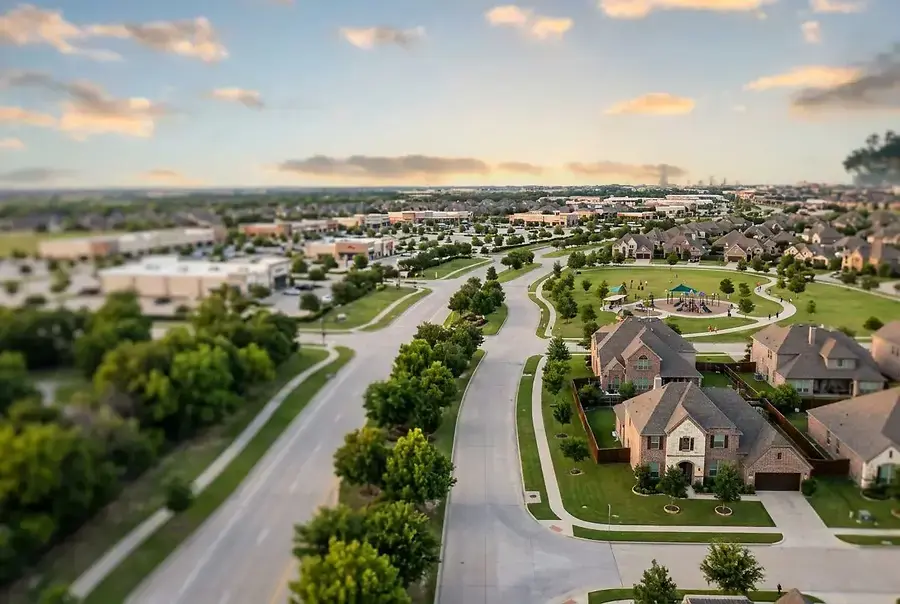
Understanding Your Priorities: Lifestyle, Schools, and Commute Factors Across DFW Communities
Selecting the right suburb in the Dallas-Fort Worth metroplex requires careful consideration of what matters most to your family. Before comparing specific neighborhoods, take time to identify your core priorities. Are excellent schools your top concern? Do you need a short commute to your workplace? Are you seeking vibrant community amenities and social opportunities?
Evaluating School Districts
The quality of local schools often tops the list for families with children. DFW suburbs vary significantly in their educational offerings and rankings. Research not only test scores and graduation rates but also extracurricular programs, special education services, and teacher-to-student ratios. Many families find that visiting schools in person provides valuable insights into campus culture and community engagement.
Assessing Your Commute
Your daily commute can dramatically impact quality of life. Consider:
- Distance to your workplace or primary employment hub
- Traffic patterns during peak hours
- Public transportation options
- Flexibility for remote work arrangements
Some DFW suburbs offer excellent connectivity to major employment centers, while others provide a quieter lifestyle with a trade-off in commute time.
Lifestyle and Community Amenities
Beyond schools and commute, consider the lifestyle each community offers. Do you prefer walkable downtown areas with restaurants and entertainment? Are you looking for family-friendly parks and recreational facilities? Some suburbs emphasize outdoor activities and nature trails, while others focus on urban conveniences and cultural attractions.
Comparing Top Residential Markets: What Each Suburb Offers from Highland Village to Plano
The DFW area boasts numerous exceptional suburbs, each with distinct characteristics and appeal.
Frisco: Growth and Modern Amenities
Frisco has experienced explosive growth and offers modern infrastructure, excellent schools, and abundant shopping and dining options. The community features the Frisco Square development, numerous parks, and strong family-oriented programming. However, rapid growth has led to increased traffic and higher home prices.
Southlake: Upscale Living and Excellence
Known for its affluent neighborhoods and highly-rated schools, Southlake attracts families seeking premium amenities and strong community values. The town features beautiful parks, excellent dining, and a strong sense of community identity. This prestige comes with higher price points and a more competitive real estate market.
Plano: Diversity and Balance
Plano offers a balanced approach with diverse neighborhoods, strong schools, and excellent employment opportunities. The city provides both urban conveniences and suburban tranquility, with numerous parks, cultural events, and shopping districts. Plano's size offers variety in housing options and price points.
Highland Village: Suburban Charm
This smaller community provides a more intimate suburban feel while maintaining access to major amenities. Highland Village features excellent schools, beautiful parks, and a strong community atmosphere. It appeals to families seeking a quieter environment without sacrificing quality of life.
Investment Potential and Long-Term Home Value Growth in North Texas Neighborhoods
Beyond lifestyle considerations, many families view their home as a financial investment. Understanding market trends and growth potential is essential for long-term decision-making.
Market Trends and Growth Projections
North Texas continues to attract new residents and businesses, supporting steady real estate appreciation. Suburbs with strong job growth, improving infrastructure, and quality schools typically see stronger property value increases. Research demographic trends, planned developments, and economic forecasts for your target communities.
Factors Influencing Property Values
Several elements impact long-term home value growth:
- School district ratings - Consistently drive demand and appreciation
- Infrastructure improvements - New roads, transit, and utilities support growth
- Employment centers - Proximity to major job hubs increases desirability
- Community development - New amenities and attractions boost appeal
- Population trends - Growing communities typically see stronger appreciation
Comparing Price Points and Value
While premium suburbs like Southlake command higher prices, emerging communities may offer better value with similar amenities and growth potential. Consider whether you're paying for current prestige or investing in future growth. Some families find better long-term value in up-and-coming areas with strong fundamentals.
Making Your Decision: Key Considerations for Finding Your Ideal DFW Community
After evaluating your priorities and comparing communities, use this framework to make your final decision.
Create a Weighted Priorities List
Rank your must-haves versus nice-to-haves. If schools are paramount, focus on districts with exceptional ratings. If commute time is critical, prioritize proximity to your workplace. This clarity prevents getting overwhelmed by options and keeps you focused on what truly matters for your family.
Visit and Experience Communities
Don't make this decision based solely on research. Spend time in neighborhoods you're considering. Visit during different times of day and week. Walk around, visit local parks, grab coffee at community establishments, and talk to residents. This firsthand experience often reveals aspects that data cannot capture.
Evaluate Your Timeline and Flexibility
Consider how long you plan to stay in your chosen community. If you anticipate relocating within five years, prioritize current lifestyle fit over long-term investment potential. Conversely, if you're planning to establish roots for decades, investment potential and community stability become more important.
Work with Local Experts
Real estate agents familiar with specific DFW communities can provide invaluable insights into market conditions, neighborhood trends, and hidden gems. They understand local nuances that broader research cannot capture and can help match your priorities with available properties.
Trust Your Instincts
After gathering data and visiting communities, trust your gut feeling. The right suburb should feel like home. If a community checks all the boxes but doesn't feel right, keep exploring. Conversely, if a neighborhood resonates with you despite minor trade-offs, that emotional connection often matters more than perfect metrics.
Choosing a DFW suburb is a significant decision that impacts your family's daily life and financial future. By systematically evaluating your priorities, comparing communities, and trusting your instincts, you'll find the perfect North Texas neighborhood that aligns with your family's unique needs and aspirations.