Choosing Between Mountain and Plains Living: A Buyer's Guide
Navigate the lifestyle and investment differences between Colorado's scenic communities and Texas's expanding urban markets.

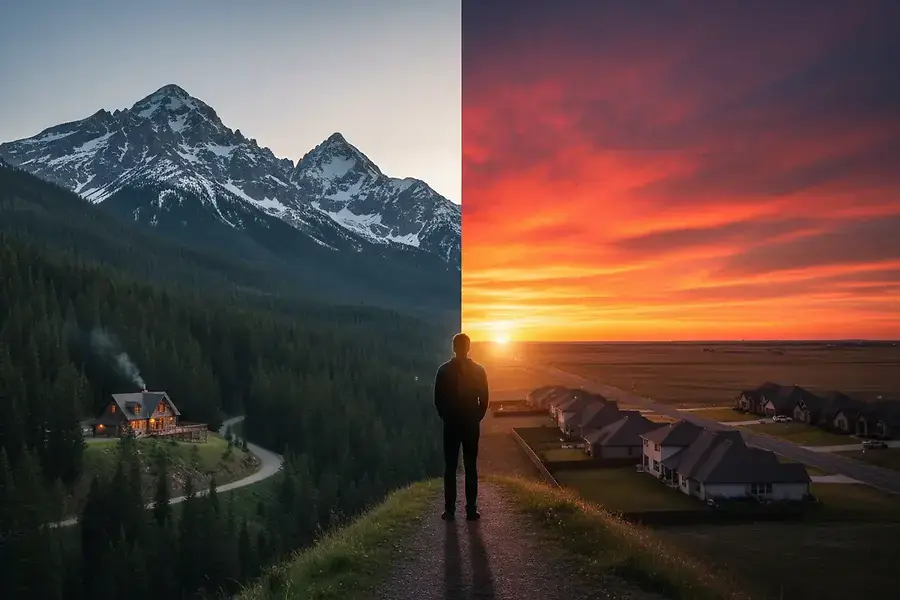
Introduction: Understanding Your Housing Market Options
Choosing where to live is one of the most significant decisions you'll make in your lifetime. Whether you're drawn to the majestic peaks of Colorado or the sprawling plains of Texas, each region offers distinct advantages and challenges. This guide will help you navigate the lifestyle and investment differences between mountain communities and plains living, enabling you to make an informed decision that aligns with your personal and financial goals.
The choice between mountain and plains living extends far beyond scenic preferences. It encompasses climate considerations, community dynamics, financial implications, and long-term investment potential. By understanding these factors, you can identify which environment truly matches your lifestyle aspirations and financial objectives.
Mountain Communities vs. Plains Living: Climate, Lifestyle, and Community Character
Climate and Weather Patterns
Mountain communities, particularly those in Colorado, experience distinct seasonal changes with significant snowfall during winter months. This creates a winter sports paradise for skiing, snowboarding, and other cold-weather activities. However, it also means higher heating costs and the need for specialized winter maintenance.
Plains living in Texas offers a milder winter climate with less snow and more consistent sunshine throughout the year. This translates to lower heating expenses and minimal weather-related disruptions. The trade-off comes in the form of hot, humid summers that require substantial air conditioning usage.
Lifestyle and Recreation
Mountain communities attract outdoor enthusiasts who prioritize hiking, skiing, mountain biking, and rock climbing. These areas foster a tight-knit community of adventure seekers and nature lovers. The lifestyle emphasizes outdoor activities and environmental stewardship.
Plains living offers a different recreational landscape. Texas communities provide access to urban amenities, cultural attractions, and diverse entertainment options. The lifestyle tends to be more urban-oriented with emphasis on dining, shopping, and cultural experiences. However, outdoor recreation still thrives through parks, lakes, and outdoor festivals.
Community Character and Social Dynamics
Mountain towns typically feature smaller populations with strong community bonds. Residents often share similar values centered around outdoor living and environmental consciousness. These communities tend to have a slower pace of life, though they're increasingly experiencing growth and development.
Plains communities, especially in expanding Texas markets, showcase diverse populations with varied interests and backgrounds. Urban and suburban areas offer more anonymity but also greater diversity in social groups, professional networks, and cultural opportunities. The pace of life is generally faster, with more hustle and bustle typical of growing metropolitan areas.
Financial Considerations: Cost of Living, Property Values, and Long-Term Investment Potential
Cost of Living Comparison
Mountain communities in Colorado have experienced significant price appreciation over recent years. Housing costs are notably higher, with median home prices reflecting the desirability of these locations. Groceries, utilities, and services also tend to be more expensive due to limited supply chains and higher operational costs.
Texas plains communities, particularly in expanding urban markets, offer more affordable housing options. The cost of living remains relatively reasonable, though rapidly growing areas are experiencing price increases. Utilities are generally cheaper, especially with lower heating requirements and competitive energy markets.
Property Values and Appreciation
Mountain properties have historically appreciated steadily, driven by limited land availability and high demand from both primary residents and vacation home buyers. Properties with views, proximity to ski resorts, or access to outdoor recreation command premium prices. However, market volatility can affect these investments during economic downturns.
Texas plains properties, particularly in emerging urban centers, show strong appreciation potential. Growing populations, business relocations, and infrastructure development drive property values upward. These markets often provide more stable, predictable growth compared to mountain communities, making them attractive for conservative investors.
Long-Term Investment Potential
Mountain communities offer lifestyle-driven investment returns. If you plan to enjoy the property personally while building equity, mountain living can be rewarding. However, resale markets can be limited, and properties may take longer to sell. Rental income potential exists through vacation rentals, though seasonal fluctuations apply.
Plains communities provide stronger fundamentals for traditional real estate investment. Growing populations, job creation, and infrastructure development support consistent property appreciation. Rental markets are robust with steady demand from both long-term renters and corporate relocations. These markets align well with buy-and-hold investment strategies.
Making Your Decision: Key Factors for Finding Your Ideal Residential Market
Assess Your Lifestyle Priorities
Begin by honestly evaluating your lifestyle preferences. Ask yourself:
- Do you thrive in outdoor, adventure-focused environments? Mountain living may be ideal.
- Do you prefer urban amenities and cultural diversity? Plains communities offer more options.
- How important is community size? Consider whether you prefer tight-knit small towns or diverse larger populations.
- What recreational activities matter most to you? Match your interests with available opportunities.
Evaluate Financial Capacity and Goals
Consider your financial situation carefully. Mountain properties require higher initial investment and ongoing maintenance costs. If you're budget-conscious or seeking maximum investment returns, plains communities may offer better value. Conversely, if you have substantial capital and prioritize lifestyle over returns, mountain living may justify the premium.
Key financial questions to ask:
- What is your total budget for purchase and ongoing expenses?
- Are you investing for personal enjoyment or financial returns?
- How important is property appreciation versus cash flow?
- Can you afford higher utility and maintenance costs?
Consider Career and Income Stability
Your employment situation significantly impacts your choice. Mountain communities may limit career opportunities in certain industries. If your career requires proximity to major metropolitan areas, plains communities in Texas offer more diverse job markets and professional networking opportunities. Remote workers enjoy greater flexibility in either location.
Plan for Long-Term Sustainability
Think beyond the initial purchase. Mountain communities face challenges including limited water resources, environmental regulations, and seasonal isolation. Plains communities must manage rapid growth, infrastructure demands, and changing demographics.
Consider these sustainability factors:
- Population growth trends and development plans
- Environmental regulations and restrictions
- Infrastructure capacity and future investments
- School quality and educational opportunities
- Healthcare accessibility and services
Take Time to Visit and Experience
Before making your final decision, spend extended time in communities you're considering. Visit during different seasons to experience the climate firsthand. Engage with local residents, explore neighborhoods, and imagine your daily life in each location. This experiential approach often reveals factors that research alone cannot capture.
Conclusion
Choosing between mountain and plains living requires balancing lifestyle aspirations with financial realities. Mountain communities offer unparalleled natural beauty, outdoor recreation, and tight-knit communities, but at a premium price with limited career opportunities. Plains communities, particularly in expanding Texas markets, provide affordability, diverse opportunities, and strong investment fundamentals, though with less dramatic scenery and different lifestyle dynamics.
The ideal choice depends on your personal priorities, financial capacity, career goals, and long-term vision. By carefully evaluating these factors and taking time to experience potential communities, you'll make a decision that brings both personal satisfaction and financial wisdom. Whether you choose mountain peaks or plains horizons, ensure your choice aligns with who you are and who you want to become.


