Choosing the Right Alabama Community: A Guide to Birmingham's Best Neighborhoods
Discover how to evaluate Birmingham-area communities like Hoover, Chelsea, and Mountain Brook to find the perfect fit for your family's lifestyle and investment goals.

Understanding Your Priorities: Lifestyle, Schools, and Commute
Choosing where to live is one of the most significant decisions you'll make for your family. Before diving into specific neighborhoods, take time to identify what matters most to you. Are you prioritizing excellent schools for your children? Do you need a short commute to downtown Birmingham? Are you seeking an active lifestyle with parks and recreation facilities?
Start by listing your non-negotiables. School quality remains a top concern for many families, so research district ratings and test scores. Consider your daily commute—would you prefer to be within 15 minutes of your workplace, or are you comfortable with a longer drive? Think about the lifestyle you want: quiet suburban living, walkable neighborhoods with local shops, or access to cultural amenities.
Evaluating School Systems
Birmingham-area schools vary significantly in their ratings and offerings. Research not just test scores, but also special programs, extracurricular activities, and teacher-to-student ratios. Many families find that neighborhoods with strong schools offer better long-term property value appreciation.
Assessing Your Commute
Traffic patterns in the Birmingham area can vary dramatically by neighborhood and time of day. Communities like Hoover and Chelsea offer convenient access to major employment centers, while Mountain Brook provides a more secluded feel with reasonable commute times.
Comparing Birmingham's Most Sought-After Communities
Birmingham's suburbs each offer distinct advantages. Understanding these differences will help you narrow your search.
Hoover: The Balanced Choice
Hoover consistently ranks as one of Alabama's most desirable communities. This sprawling suburb offers:
- Excellent school system with strong academic performance
- Diverse housing options from starter homes to luxury estates
- Easy access to shopping, dining, and employment centers
- Well-maintained parks and recreational facilities
- Strong sense of community with active civic organizations
Hoover appeals to families seeking a balance between suburban comfort and urban convenience. The community's investment in infrastructure and schools makes it attractive for long-term residents.
Chelsea: The Growing Gem
Chelsea has emerged as a rapidly developing community that attracts young families and professionals. Key features include:
- Newer construction with modern amenities
- Growing school system with improving ratings
- More affordable entry prices compared to established neighborhoods
- Planned community features with cohesive design
- Strong population growth and economic development
If you're looking for newer homes and don't mind being in a developing area, Chelsea offers excellent value and potential for appreciation.
Mountain Brook: The Prestigious Option
Mountain Brook represents Birmingham's most exclusive residential community. This neighborhood is known for:
- Prestigious reputation and established wealth
- Large, well-maintained estates on spacious lots
- Top-rated private and public schools
- Beautiful natural surroundings and mature landscaping
- Exclusive country club and recreational facilities
Mountain Brook suits those seeking prestige, privacy, and premium properties. The community's strict architectural guidelines maintain consistent quality and aesthetic appeal.
What to Look for Beyond the House: Amenities and Community Features
The right neighborhood offers more than just a house—it provides a lifestyle. Consider these important community features:
Parks and Recreation
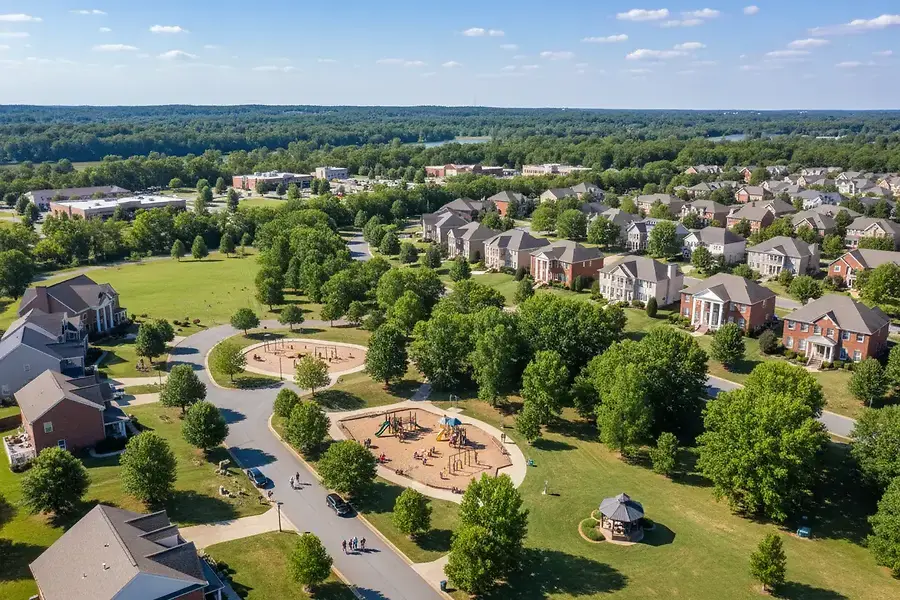
Look for neighborhoods with well-maintained parks, walking trails, and recreational facilities. Active communities with sports leagues, fitness centers, and outdoor spaces contribute to quality of life and property values.
Shopping and Dining
Proximity to quality shopping, restaurants, and entertainment venues matters. Some families prefer walkable neighborhoods with local businesses, while others prioritize access to major shopping centers and dining options.
Community Services and Safety
Research police response times, crime statistics, and community policing programs. Safe neighborhoods with active neighborhood associations tend to maintain property values better over time.
Social and Cultural Opportunities
Consider whether the community offers activities that match your interests. Libraries, community centers, churches, and civic organizations create social connections and enhance neighborhood character.
Making Your Decision: Key Metrics for Choosing Your Ideal Neighborhood
Once you've identified your priorities and explored specific communities, use these metrics to make your final decision:
Property Value Trends
Research historical property values and recent sales data. Neighborhoods with consistent appreciation indicate strong demand and community stability. Look for areas where homes are selling near or above asking price.
Cost of Living
Compare property taxes, homeowners association fees, and utility costs across neighborhoods. A lower home price might come with higher taxes or HOA fees, so calculate your total monthly housing costs.
Future Development Plans
Check with local planning departments about upcoming development. New commercial areas or infrastructure improvements can enhance property values, while unwanted development might negatively impact your neighborhood.
Neighborhood Demographics
Visit neighborhoods at different times of day and on weekends. Talk to current residents about their experiences. A neighborhood that feels right to you is often the best choice, regardless of statistics.
Resale Potential
Even if you plan to stay long-term, consider future resale value. Neighborhoods with strong schools, low crime, and active community involvement typically maintain better resale potential.
The best neighborhood isn't necessarily the most expensive or the most popular—it's the one that aligns with your family's values, lifestyle, and long-term goals.
Taking the Next Steps
After narrowing your choices, spend time in your top neighborhoods. Drive through during rush hour, visit local parks, and grab coffee at neighborhood cafes. Connect with real estate professionals who know these communities intimately. They can provide insights into market trends, upcoming developments, and neighborhood nuances that statistics alone cannot reveal.
Choosing the right Birmingham-area community requires balancing practical considerations with personal preferences. By evaluating your priorities, researching specific neighborhoods, and assessing community features, you'll find the perfect place to call home.


