Choosing the Right Neighborhood for Your Family Home in NY and NJ
Discover what makes Brooklyn, Staten Island, and Central New Jersey communities ideal for residential living.

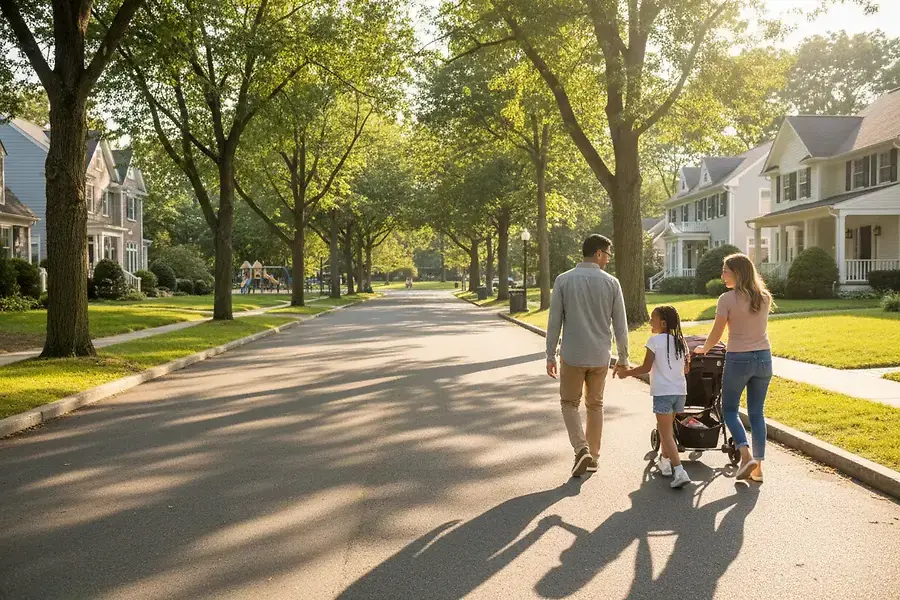
Introduction: Understanding Your Neighborhood Priorities
Choosing where to raise your family is one of the most significant decisions you'll make. The right neighborhood can provide safety, opportunity, and community—the foundation for a fulfilling life. Whether you're drawn to the vibrant energy of Brooklyn, the quieter charm of Staten Island, or the balanced lifestyle of Central New Jersey, understanding what matters most to your family is the first step.
Before diving into specific neighborhoods, take time to reflect on your priorities. Are you seeking excellent schools, cultural attractions, outdoor spaces, or a tight-knit community? Do you prefer walkable urban streets or spacious suburban lots? Your answers will guide your search and help you narrow down the best options for your family's unique needs.
Evaluating School Systems, Amenities, and Community Character Across Regions
School Systems: The Foundation of Family Life
Quality education is often the top priority for families choosing a neighborhood. Each region offers distinct advantages:
- Brooklyn features a diverse range of public and private schools, with several highly-rated options in neighborhoods like Park Slope, Brooklyn Heights, and Prospect Heights. Many families appreciate the access to specialized programs and the cultural diversity that enriches education.
- Staten Island is known for strong public school systems with lower student-to-teacher ratios and a reputation for academic excellence. Communities like Great Kills and Tottenville consistently rank among the best in the region.
- Central New Jersey communities such as Princeton, Montclair, and Westfield boast exceptional school districts that attract families from across the state. These areas invest heavily in education and offer robust extracurricular programs.
Amenities and Recreation
Beyond schools, amenities shape daily life and family happiness. Consider what your family values most:
Brooklyn offers unparalleled access to cultural institutions, including world-class museums, theaters, and music venues. Prospect Park provides 526 acres of green space for recreation, while neighborhoods like Williamsburg and DUMBO feature trendy restaurants, boutiques, and entertainment options. The borough's walkability means many families can accomplish daily tasks on foot or by bike.
Staten Island emphasizes outdoor recreation with beautiful parks, waterfront access, and nature preserves. Greenbelt Park offers hiking trails and natural beauty, while the Snug Harbor Cultural Center provides arts and cultural programming. The island's quieter pace allows families to enjoy a more relaxed lifestyle with strong community events and local traditions.
Central New Jersey communities balance suburban comfort with convenient access to cultural amenities. Towns like Princeton offer vibrant downtown areas with local restaurants and shops, while areas like Montclair provide excellent parks, farmers markets, and community events. Many residents enjoy the proximity to New York City without the urban density.
Community Character and Safety
The personality of a neighborhood matters as much as its facilities. Research crime statistics, attend community meetings, and visit neighborhoods at different times of day to get a genuine feel for the area.
Brooklyn neighborhoods vary widely in character—from the historic brownstone-lined streets of Park Slope to the artistic, creative vibe of Williamsburg. Each community has its own identity, making it important to explore specific neighborhoods rather than generalizing about the entire borough.
Staten Island is known for its tight-knit, family-oriented communities where neighbors often know each other. The island's suburban feel creates a sense of safety and belonging, with many families staying in their neighborhoods for generations.
Central New Jersey towns like Westfield and Montclair foster strong community bonds through local events, school involvement, and neighborhood associations. These communities often have active parent groups and volunteer opportunities that help families integrate quickly.
Comparing Lifestyle Factors: Urban Convenience vs. Suburban Tranquility
The Urban Appeal of Brooklyn
Brooklyn offers the excitement of city living with cultural diversity, endless dining options, and constant activity. Families who choose Brooklyn typically value:
- Easy access to public transportation and reduced need for a car
- Exposure to diverse cultures, cuisines, and perspectives
- Proximity to world-class museums, theaters, and entertainment
- Walkable neighborhoods with vibrant street life
- Trendy, evolving communities with new businesses and restaurants constantly emerging
However, urban living comes with trade-offs: higher costs, smaller living spaces, and the constant buzz of city activity. Families with young children may find the noise and crowds challenging, and outdoor space is often limited to parks rather than private yards.
The Suburban Comfort of Staten Island and Central New Jersey
Suburban communities offer a different lifestyle centered on space, safety, and community connection. Families drawn to these areas typically value:
- Larger homes with yards for children to play safely
- Quieter, more peaceful living environments
- Strong sense of community and neighborhood identity
- Lower cost of living compared to Brooklyn
- Easy access to nature and outdoor recreation
- More predictable, family-oriented routines
The suburban trade-off includes longer commutes, greater car dependence, and fewer spontaneous entertainment options. However, many families find that the benefits—space, safety, and community—far outweigh these considerations.
Finding Your Balance
Some families discover that their ideal neighborhood blends both worlds. Central New Jersey communities like Montclair and Princeton offer this sweet spot—suburban neighborhoods with vibrant downtown areas, cultural institutions, and good public transportation connections to New York City. These towns provide the space and community feel of suburbs while maintaining urban conveniences and cultural opportunities.
Conclusion: Making Your Neighborhood Decision with Confidence
Choosing the right neighborhood requires balancing multiple factors: schools, amenities, lifestyle preferences, budget, and community character. There's no single "best" neighborhood—only the best neighborhood for your family's unique needs and values.
Start by visiting neighborhoods multiple times, at different hours and seasons. Talk to current residents, visit local schools, and spend time in parks and downtown areas. Attend community events and explore local restaurants and shops. This hands-on approach will give you a genuine sense of whether a neighborhood feels like home.
Whether you're drawn to Brooklyn's urban energy, Staten Island's suburban tranquility, or Central New Jersey's balanced lifestyle, trust your instincts. The right neighborhood is one where your family can thrive, build connections, and create lasting memories. Take your time with this important decision, and you'll find the perfect place to call home.


