Choosing the Right Norman Neighborhood: A Homebuyer's Complete Guide
Discover which Norman neighborhoods offer the best value, lifestyle, and investment potential for your family.

Introduction: Why Choosing the Right Norman Neighborhood Matters
Selecting a neighborhood is one of the most significant decisions you'll make as a homebuyer. It's not just about the house itself—it's about the community, the lifestyle, and the long-term value of your investment. Norman, Oklahoma offers a diverse range of neighborhoods, each with its own unique character, amenities, and opportunities. Whether you're a first-time homebuyer, a growing family, or an investor looking for your next opportunity, understanding what each neighborhood has to offer is essential to making an informed decision.
The right neighborhood can enhance your quality of life, provide excellent schools for your children, offer convenient access to shopping and dining, and potentially appreciate in value over time. This guide will help you navigate Norman's neighborhoods with confidence and clarity.
Popular Norman Neighborhoods: Comparing Schools, Amenities, and Market Trends
Downtown Norman and Historic Districts
Downtown Norman has experienced a remarkable revitalization in recent years. This vibrant area offers walkable streets, trendy restaurants, boutique shops, and cultural attractions. Homes in this area tend to be older, charming properties with character and history. The neighborhood appeals to young professionals and empty nesters who value urban convenience and community engagement.
- Excellent walkability and pedestrian-friendly infrastructure
- Close proximity to the University of Oklahoma campus
- Strong sense of community and local events
- Higher price points due to desirability and limited inventory
Suburban Family-Friendly Neighborhoods
Norman's suburban areas, such as those near Lindsey Street and Robinson Avenue, offer spacious homes, larger lots, and family-oriented amenities. These neighborhoods are particularly attractive to families with school-age children, featuring excellent school districts and parks.
- Newer construction options with modern amenities
- Access to top-rated schools in the Norman Public School system
- Community parks, playgrounds, and recreational facilities
- More affordable pricing compared to downtown areas
Emerging Growth Areas
As Norman continues to expand, newer developments on the city's outskirts are attracting homebuyers seeking newer construction and investment potential. These areas offer the latest in home design and technology, though they may lack the established community feel of older neighborhoods.
Growth areas typically feature:
- Modern home designs and energy-efficient features
- Planned community amenities and HOA services
- Strong appreciation potential as infrastructure develops
- Longer commute times to downtown and university areas
How to Evaluate Neighborhood Factors: Safety, Accessibility, and Future Growth
Safety and Crime Statistics
Safety should be a top priority when evaluating any neighborhood. Research local crime statistics through the Norman Police Department and community resources. Look for neighborhoods with active neighborhood watch programs, good street lighting, and visible community engagement. Talk to current residents about their experiences and comfort levels in the area.
Accessibility and Commute Considerations
Consider your daily commute and lifestyle needs. Ask yourself:
- How far is the neighborhood from your workplace?
- Are there convenient public transportation options?
- Is the area close to shopping, dining, and entertainment?
- Are schools, parks, and medical facilities nearby?
Accessibility directly impacts your quality of life and long-term satisfaction with your home purchase.
Future Growth and Development Plans
Research Norman's city planning documents and development initiatives. Understanding where the city is investing in infrastructure, schools, and commercial development can help you identify neighborhoods with strong appreciation potential. Areas experiencing planned growth often see property values increase as amenities and services expand.
Key questions to ask:
- Are there planned commercial or residential developments nearby?
- Is the city investing in road improvements and infrastructure?
- What are the zoning plans for surrounding areas?
- Are new schools or community facilities planned?
School District Quality
If you have school-age children, the quality of local schools is paramount. Norman Public Schools is highly regarded, but performance can vary by individual school and neighborhood. Research test scores, graduation rates, and special programs offered at schools serving your potential neighborhood.
Pro Tip: Visit schools during the school day, talk to teachers and parents, and attend school board meetings to get a genuine sense of the educational environment.
Community Character and Lifestyle
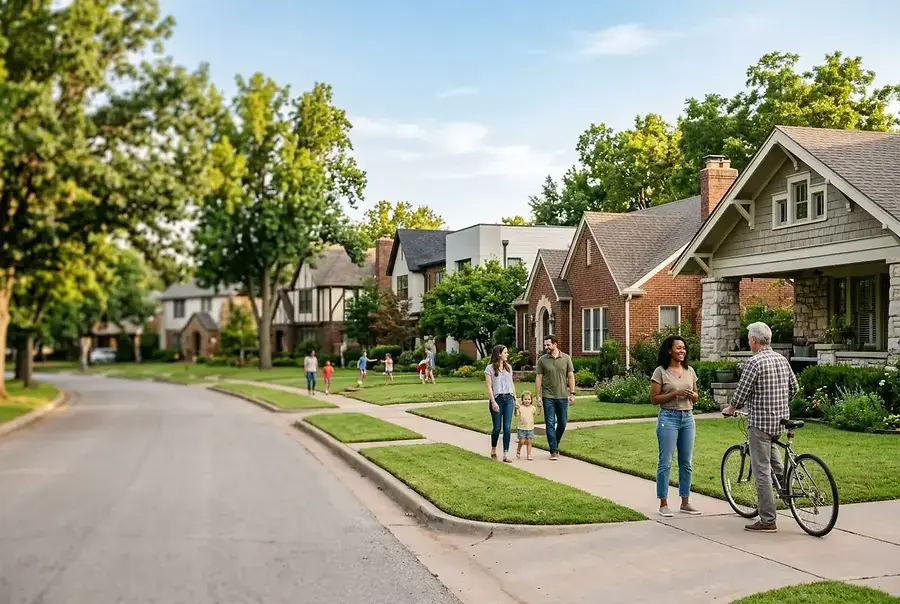
Beyond statistics, consider the intangible qualities that make a neighborhood feel like home. Visit neighborhoods at different times of day and on weekends. Are residents out and about? Do you see families playing in parks? Are there community events and gatherings? The neighborhood's character should align with your lifestyle and values.
Conclusion: Making Your Best Neighborhood Choice in Norman
Choosing the right Norman neighborhood requires balancing multiple factors: your budget, lifestyle preferences, family needs, and investment goals. There's no single "best" neighborhood—the right choice depends entirely on what matters most to you.
Take your time with the decision. Visit neighborhoods multiple times, talk to residents, research thoroughly, and trust your instincts. Consider working with a local real estate agent who knows Norman's neighborhoods intimately and can provide valuable insights based on current market trends and community knowledge.
Whether you're drawn to the vibrant energy of downtown Norman, the family-friendly appeal of suburban neighborhoods, or the growth potential of emerging areas, Norman offers excellent options for homebuyers at every stage of life. By evaluating neighborhoods systematically and considering your unique needs, you'll find the perfect community to call home.