Choosing the Right Property Type in Southeastern Indiana Communities
Discover whether residential or commercial properties align better with your investment goals across Ripley County's most desirable neighborhoods.

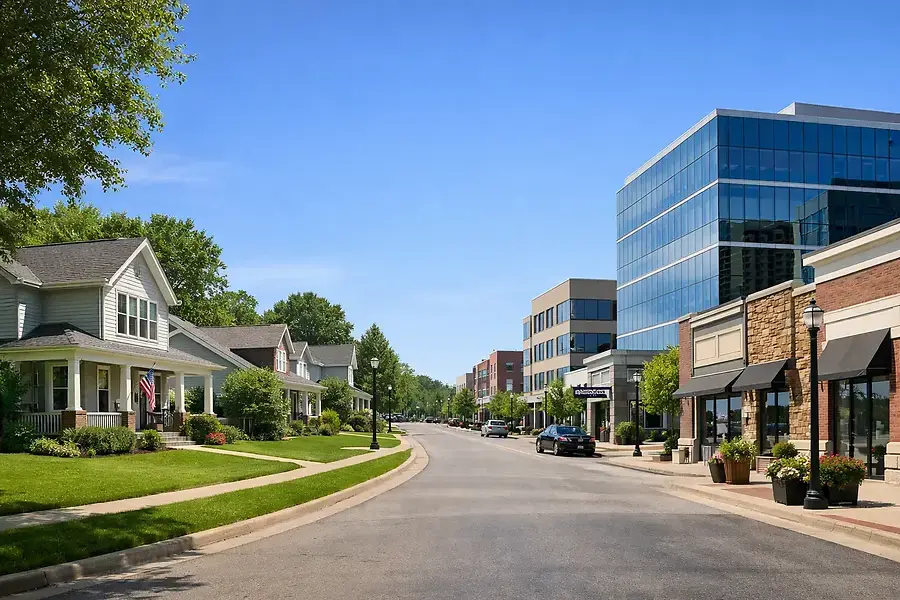
Understanding Residential vs. Commercial Real Estate Opportunities
When considering real estate investment in Southeastern Indiana, one of the most critical decisions you'll face is choosing between residential and commercial properties. Each option presents distinct advantages and challenges that can significantly impact your financial returns and long-term investment strategy.
Residential properties include single-family homes, multi-family units, condominiums, and apartment buildings. These properties are designed for personal living spaces and typically offer more straightforward financing options and a broader pool of potential buyers or renters. Commercial properties, on the other hand, encompass office buildings, retail spaces, warehouses, and mixed-use developments. These investments often require more specialized knowledge but can generate substantial income streams.
The Appeal of Residential Investments
Residential real estate in Ripley County communities has long been attractive to investors seeking stable, predictable returns. The demand for housing remains consistently strong, and residential properties tend to appreciate steadily over time. Additionally, residential investments benefit from:
- Lower entry costs compared to commercial properties
- Easier access to financing through conventional mortgages
- Simpler property management and maintenance requirements
- Broader tenant base and faster vacancy filling
- Tax advantages including depreciation deductions
The Potential of Commercial Properties
Commercial real estate investments in Southeastern Indiana offer compelling opportunities for those with sufficient capital and market knowledge. These properties can generate higher income potential through:
- Higher rental rates and cash flow compared to residential units
- Longer lease terms providing income stability
- Professional tenant relationships with established businesses
- Greater appreciation potential in growing markets
- Diversification benefits within an investment portfolio
Property Characteristics and Investment Potential in Local Markets
Residential Market Dynamics in Ripley County
Southeastern Indiana's residential market reflects the region's strong community values and growing population. Properties in neighborhoods throughout Ripley County demonstrate consistent demand from families, young professionals, and retirees. The residential market here is characterized by:
Affordability and accessibility: Compared to national averages, residential properties in this region remain reasonably priced, making them accessible to a wider range of investors. This affordability factor attracts both first-time homebuyers and seasoned investors looking to expand their portfolios.
Community growth: Many neighborhoods in Southeastern Indiana are experiencing revitalization and development. This growth translates to increasing property values and enhanced rental demand, particularly in well-established communities with strong schools and amenities.
Tenant stability: Residential tenants in these communities tend to stay longer, reducing turnover costs and vacancy periods. This stability is particularly valuable for investors seeking predictable, long-term income streams.
Commercial Market Opportunities in Southeast Indiana
The commercial real estate landscape in Ripley County presents unique opportunities for investors willing to engage with the local business community. Key characteristics include:
Growing business corridors: Certain areas within Southeastern Indiana are developing as business hubs, attracting retail, professional services, and light industrial operations. These emerging corridors offer excellent opportunities for commercial property investors.
Strategic location advantages: Properties positioned near major highways, population centers, and established business districts command premium rental rates and attract quality tenants with strong credit profiles.
Diversified tenant base: The region supports various business types, from healthcare facilities and professional offices to retail establishments and manufacturing operations. This diversity reduces risk associated with any single industry downturn.
Making Your Decision: Which Property Type Suits Your Goals
Assessing Your Financial Capacity
Your available capital plays a crucial role in determining which property type makes sense for your situation. Residential properties typically require lower down payments and offer more flexible financing options. Commercial properties usually demand larger initial investments but may offer superior long-term returns. Consider:
- Your available capital for down payment and reserves
- Your ability to qualify for commercial financing
- Your risk tolerance regarding investment size
- Your timeline for achieving return on investment
Evaluating Your Time and Expertise
The level of involvement required differs significantly between property types. Residential properties can often be managed with minimal specialized knowledge, while commercial properties benefit from deeper market understanding and business acumen. Reflect on:
Management capacity: Are you prepared to handle tenant relations, maintenance coordination, and property operations? Residential properties offer simpler management, while commercial properties may require more sophisticated oversight.
Market knowledge: Commercial investing demands understanding of business cycles, tenant creditworthiness, and market trends. If you lack this expertise, residential investing may be more suitable until you develop these skills.
Active involvement preference: Some investors enjoy hands-on property management, while others prefer passive income. Your preference should influence your choice between property types.
Considering Your Investment Goals
Your specific financial objectives should guide your decision:
- Steady income: If you prioritize consistent monthly cash flow, residential properties with multiple units or commercial properties with long-term leases may serve you best.
- Long-term appreciation: Both property types appreciate over time, but residential properties in growing communities often show steady, predictable appreciation.
- Portfolio diversification: Consider how each property type complements your existing investments and overall financial strategy.
- Tax optimization: Both residential and commercial properties offer tax benefits; consult with a tax professional about which aligns with your situation.
Next Steps: Finding Your Perfect Property in Southeast Indiana
Research Local Market Conditions
Before committing to any investment, thoroughly research Ripley County's current market conditions. Study recent sales data, rental rates, vacancy rates, and demographic trends. Understanding these factors will help you identify the most promising opportunities and avoid overpriced properties.
Connect with Local Real Estate Professionals
Partner with experienced real estate agents and investment advisors who understand Southeastern Indiana's unique market dynamics. These professionals can provide valuable insights into neighborhood trends, property values, and investment potential that you won't find through online research alone.
Evaluate Specific Properties Carefully
Once you've decided on a property type, evaluate individual properties based on location, condition, income potential, and growth prospects. For residential properties, consider neighborhood amenities, school quality, and demographic trends. For commercial properties, analyze tenant quality, lease terms, and market demand for the specific use.
Plan for Long-Term Success
Whether you choose residential or commercial property, success requires a long-term perspective. Plan for property maintenance, potential vacancy periods, and market fluctuations. Build reserves for unexpected expenses and position yourself to weather economic cycles.
The right property type for you depends on your unique financial situation, expertise, and investment goals. By carefully considering the factors outlined above and conducting thorough research into Ripley County's real estate market, you'll be well-positioned to make an informed decision that aligns with your vision for financial success in Southeastern Indiana.