Choosing the Right Retail Location in Omaha: A Strategic Guide
Discover how to evaluate foot traffic patterns and customer demographics to secure the ideal retail location for your Omaha business.

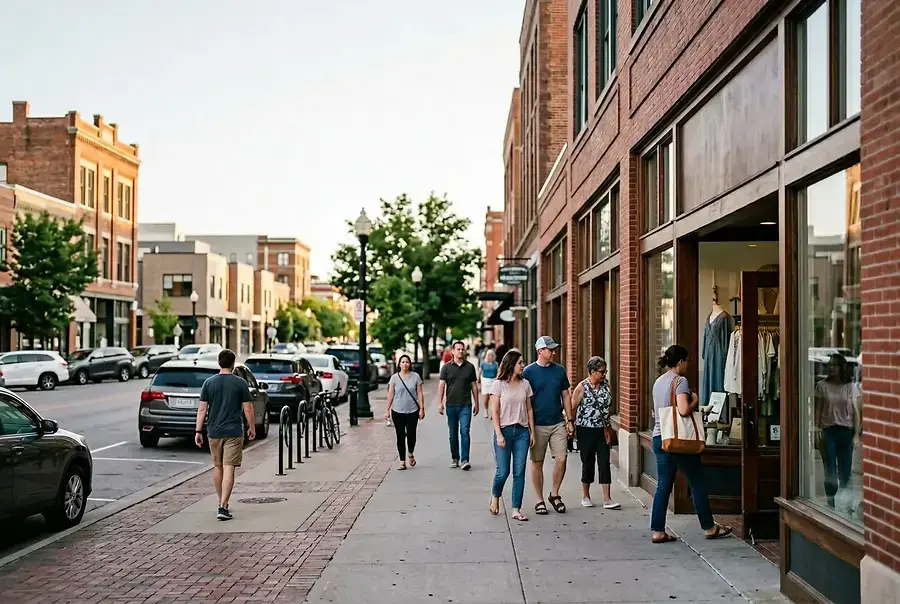
Understanding Omaha's Retail Neighborhoods and Traffic Patterns
Omaha's retail landscape has evolved significantly, with distinct neighborhoods offering unique opportunities for different types of businesses. Before committing to a location, you must understand the traffic patterns that define each area. Foot traffic is the lifeblood of retail success, and Omaha's diverse neighborhoods each have their own rhythm and customer flow.
The Old Market district remains one of Omaha's most vibrant retail hubs, attracting both locals and tourists year-round. This historic area experiences consistent foot traffic, particularly during weekends and evenings. Meanwhile, areas like Dundee and Benson have emerged as trendy destinations with growing customer bases and increasing foot traffic patterns.
Mapping High-Traffic Zones
To identify high-traffic zones, spend time observing different locations at various times of day and days of the week. Morning commutes, lunch hours, and evening shopping patterns can vary dramatically depending on the neighborhood. Consider these factors:
- Peak traffic hours and seasonal variations
- Proximity to major employers and office complexes
- Nearby residential density and population growth
- Accessibility from major highways and arterial roads
- Competition from existing retail establishments
Downtown Omaha has experienced revitalization, bringing increased foot traffic to the area. However, suburban locations near shopping centers and malls offer different traffic patterns that may better suit certain retail concepts.
Analyzing Demographics and Customer Base Alignment
Understanding who shops in your potential location is just as important as understanding how many people pass by. Demographic alignment between your target customers and the neighborhood's population is crucial for long-term success.
Identifying Your Ideal Customer Profile
Start by clearly defining your ideal customer. Consider age, income level, lifestyle preferences, and shopping habits. Omaha's demographics vary significantly by neighborhood, so matching your business to the right area is essential.
Use demographic data from census information and market research reports to understand each neighborhood's population characteristics. Areas like West Omaha tend to attract higher-income shoppers, while central neighborhoods may offer access to diverse, budget-conscious consumers.
Evaluating Neighborhood Compatibility
Beyond basic demographics, consider the neighborhood's overall character and existing retail mix. Does the area already have similar businesses? Sometimes clustering with complementary retailers can increase overall foot traffic, while other situations call for differentiation.
Pro Tip: Interview existing business owners in potential locations. They can provide invaluable insights about customer behavior, seasonal trends, and operational challenges specific to that area.
Research the neighborhood's growth trajectory. Is the area experiencing population growth, stagnation, or decline? Emerging neighborhoods may offer lower rent but uncertain customer bases, while established areas provide stability but higher costs.
Evaluating Visibility, Accessibility, and Parking Considerations
Even the best location loses value if customers can't find you or access your store easily. Visibility and accessibility are non-negotiable factors in retail success.
Maximizing Visibility
Your storefront should be easily visible from the street and, ideally, from a distance. Consider these visibility factors:
- Signage restrictions and opportunities in the area
- Building prominence and corner lot advantages
- Window display potential and street-level visibility
- Competition for visual attention from neighboring businesses
- Lighting conditions throughout the day and evening
Locations on main thoroughfares typically offer better visibility than side streets or interior mall locations. However, premium visibility often comes with higher rent costs.
Assessing Accessibility and Parking
Parking availability is a critical factor that many retailers underestimate. Omaha shoppers expect convenient parking, and inadequate parking can drive customers away regardless of your product quality or pricing.
Evaluate both on-site and nearby parking options. Street parking may work for some locations, but dedicated parking lots or garages are often necessary for retail success. Consider parking ratios—most retail spaces require at least 3-4 parking spaces per 1,000 square feet of retail space.
Additionally, assess how easy it is for customers to enter and exit your location. Traffic flow, turn restrictions, and intersection design all impact accessibility. Locations with easy ingress and egress from major roads are generally more successful.
Public Transportation Considerations
While Omaha's public transportation system is growing, consider proximity to bus routes and transit hubs. Younger demographics and urban-focused businesses may benefit from strong public transit access, reducing reliance on parking.
Making Your Final Retail Space Decision
After analyzing foot traffic, demographics, visibility, and accessibility, it's time to synthesize your findings into a final decision.
Creating a Comparison Matrix
Develop a weighted scoring system for your top location choices. Assign importance levels to different factors based on your specific business model:
- Foot traffic volume and patterns (25-30% weight)
- Demographic alignment (25-30% weight)
- Visibility and signage potential (15-20% weight)
- Parking and accessibility (15-20% weight)
- Rental costs and lease terms (10-15% weight)
- Competition and market saturation (10% weight)
Score each location on a scale of 1-10 for each factor, multiply by the weight, and compare totals. This objective approach helps remove emotion from the decision-making process.
Negotiating Your Lease
Once you've identified your ideal location, remember that lease terms are often negotiable. Don't accept the landlord's first offer without discussion. Consider negotiating:
- Rent rates and escalation clauses
- Tenant improvement allowances
- Lease length and renewal options
- Operating expense caps
- Exclusive use clauses for your retail category
Final Validation
Before signing a lease, spend additional time in the location during different times and weather conditions. Visit on weekdays and weekends, during peak and off-peak hours. Trust your instincts alongside the data. If something feels off about a location, it's worth investigating further.
Choosing the right retail location in Omaha requires balancing quantitative analysis with qualitative observation. By thoroughly evaluating foot traffic patterns, demographic alignment, visibility, and accessibility, you'll position your retail business for success in Omaha's dynamic marketplace.


