Choosing the Right Wilmington Neighborhood: A Complete Buyer's Guide
Discover which Wilmington communities offer the best value and lifestyle fit for your family.

Understanding Wilmington's Diverse Neighborhoods and Their Characteristics
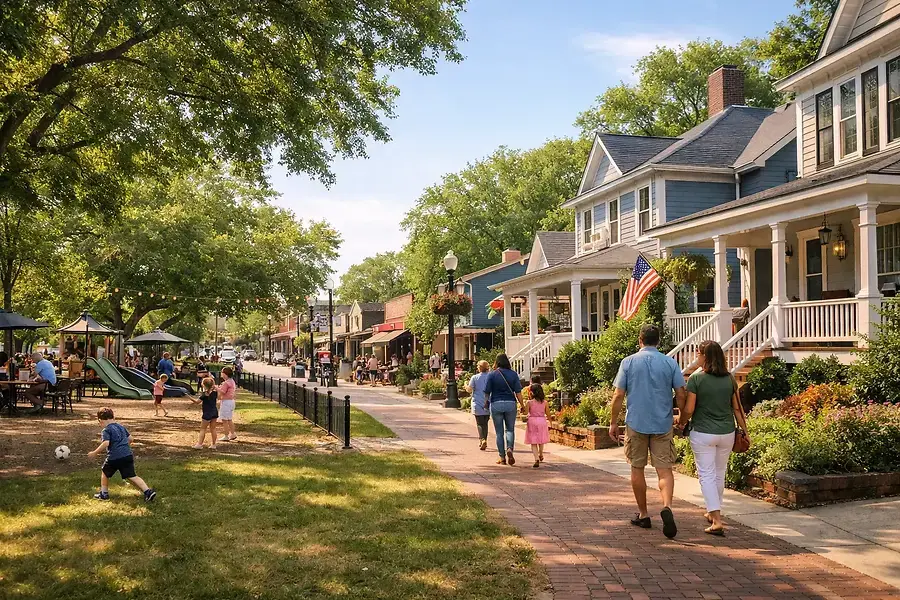
Wilmington offers a rich tapestry of neighborhoods, each with its own distinct personality and appeal. Whether you're a first-time homebuyer or relocating your family, understanding the unique characteristics of each community is essential to making an informed decision.
The city's neighborhoods range from historic, tree-lined streets in established areas to modern developments with contemporary amenities. Downtown Wilmington features vibrant urban living with walkable streets, cultural attractions, and proximity to employment centers. These neighborhoods attract young professionals and empty nesters seeking an active lifestyle.
Suburban communities on the outskirts provide larger homes, spacious yards, and quieter environments ideal for families. Riverside neighborhoods offer scenic waterfront views and recreational opportunities, while hillside communities provide elevated locations with panoramic vistas and established tree canopies.
Historic vs. Modern Developments
Historic neighborhoods showcase charming architecture, mature landscaping, and strong community bonds built over decades. These areas often feature smaller lots and older homes requiring potential renovations. Modern developments, conversely, offer newer construction, updated infrastructure, and contemporary home designs with minimal maintenance needs.
Comparing Lifestyle Amenities and Community Features Across Districts
The right neighborhood should align with your lifestyle preferences and daily needs. Different Wilmington communities offer varying levels of amenities and services.
Retail and Dining Options
Downtown and central neighborhoods provide walkable access to restaurants, shops, and entertainment venues. Suburban areas typically feature shopping centers and chain retailers within short driving distances. Consider how important convenience is to your daily routine when evaluating neighborhoods.
Recreation and Parks
Wilmington boasts numerous parks, trails, and recreational facilities distributed throughout the city. Waterfront parks offer scenic walking paths and water activities, while neighborhood parks provide playgrounds, sports courts, and community gathering spaces. Families should prioritize areas with accessible green spaces and recreational programs.
Community Events and Social Life
Active neighborhoods host farmers markets, festivals, and community gatherings throughout the year. These events foster neighborhood connections and provide entertainment options. Research which communities align with your social preferences:
- Regular farmers markets and outdoor concerts
- Neighborhood associations and community groups
- Local coffee shops and gathering spaces
- Cultural events and seasonal celebrations
Evaluating School Districts and Family-Friendly Neighborhoods
For families with children, school quality significantly impacts neighborhood selection. Wilmington's school districts vary in performance ratings, resources, and specialized programs.
School Performance and Ratings
Research current school ratings through state education databases and parent review sites. Top-performing schools often correlate with higher property values and more competitive real estate markets. Consider both elementary and secondary school options when evaluating neighborhoods.
Family-Friendly Features
Beyond schools, family-oriented neighborhoods should offer:
- Safe, walkable streets with low traffic speeds
- Proximity to pediatric healthcare facilities
- Youth sports leagues and after-school programs
- Family-friendly restaurants and entertainment
- Accessible childcare facilities
Safety and Community Stability
Review crime statistics and safety reports for neighborhoods you're considering. Stable communities with active neighborhood watch programs and strong police presence provide peace of mind for families. Talk to current residents about their safety experiences and neighborhood dynamics.
Making Your Decision: Essential Neighborhood Evaluation Checklist
Before committing to a neighborhood, systematically evaluate these critical factors:
Financial Considerations
- Property values and appreciation trends – Research historical price data and future development plans
- Property taxes and assessments – Compare tax rates across neighborhoods
- HOA fees and restrictions – Understand community rules and additional costs
- Utility costs – Older homes may have higher heating and cooling expenses
Commute and Accessibility
Evaluate your daily commute to work, schools, and frequent destinations. Consider:
- Distance to major employment centers
- Public transportation availability
- Highway access and traffic patterns
- Walkability for daily errands
Future Development and Growth
Research planned developments in neighborhoods you're considering. New construction, commercial projects, or infrastructure improvements can significantly impact property values and neighborhood character. Review city planning documents and speak with local real estate agents about future growth projections.
Personal Preferences Assessment
The best neighborhood isn't determined by rankings or statistics alone—it's the community where you can envision your life unfolding.
Create a weighted list of your priorities:
- Urban walkability vs. suburban space
- Proximity to family and friends
- Outdoor recreation opportunities
- Cultural and entertainment access
- Quiet residential character vs. vibrant activity
Visit and Experience Neighborhoods
Don't rely solely on online research. Visit neighborhoods at different times of day to experience their true character. Walk the streets, visit local parks, grab coffee at neighborhood cafes, and talk to residents. This firsthand experience often reveals details that research cannot capture.
Spend time in neighborhoods during weekdays and weekends, morning and evening. Notice traffic patterns, noise levels, and community activity. Attend neighborhood events if possible to meet residents and understand the community culture.
Work with Local Experts
Partner with experienced real estate agents familiar with Wilmington's neighborhoods. They provide valuable insights into market trends, neighborhood dynamics, and future development plans. Local agents can connect you with community resources and answer specific questions about neighborhoods.
Choosing the right Wilmington neighborhood requires balancing practical considerations with personal preferences. By systematically evaluating lifestyle amenities, school quality, financial factors, and community character, you'll find a neighborhood that truly fits your family's needs and aspirations. Take your time with this important decision—the right neighborhood will enhance your quality of life for years to come.


