Choosing Your Colorado Home: Denver to the Mountain Communities
Explore the unique neighborhoods and lifestyle opportunities across Denver's Front Range and mountain communities.

Understanding Denver's Diverse Neighborhoods and Surrounding Communities
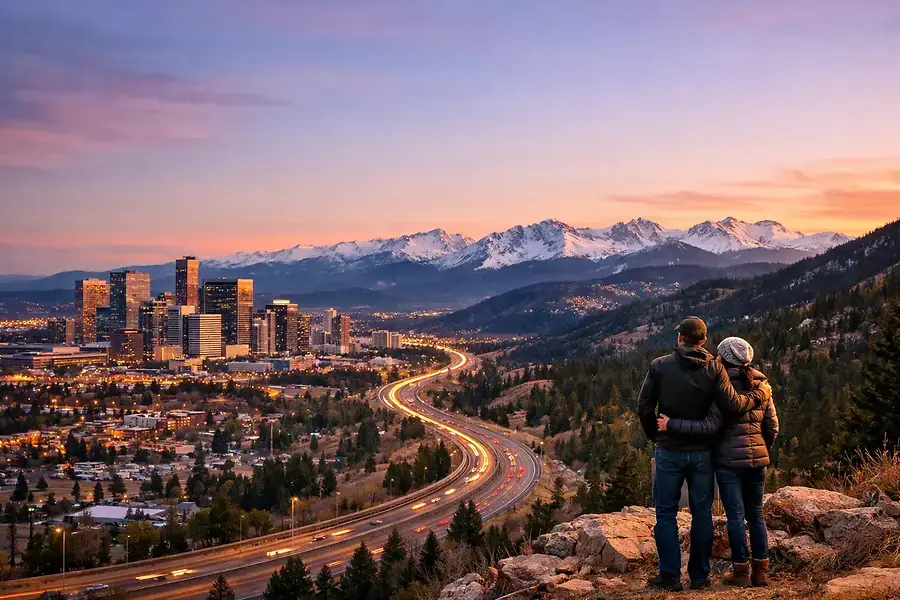
Denver has transformed into one of America's most vibrant cities, offering something for everyone. Whether you're drawn to urban energy or mountain tranquility, the Front Range and surrounding communities provide diverse living options that cater to different lifestyles and preferences.
The Denver metro area encompasses neighborhoods ranging from trendy downtown lofts to family-friendly suburbs. Downtown Denver attracts young professionals and urban enthusiasts with its walkable streets, restaurants, and cultural venues. Meanwhile, neighborhoods like Cherry Creek and LoDo (Lower Downtown) offer upscale living with modern amenities and vibrant nightlife.
For families seeking space and community, suburbs like Boulder, Littleton, and Highlands Ranch provide excellent schools, parks, and a more relaxed pace. Each community has its own character, from Boulder's eco-conscious culture to Littleton's small-town charm.
The Mountain Communities Appeal
Beyond the Front Range, Colorado's mountain towns offer a completely different lifestyle. Communities like Aspen, Vail, Breckenridge, and Estes Park attract those seeking outdoor adventure and natural beauty. These areas are perfect for skiing enthusiasts, hikers, and anyone who prioritizes mountain living over urban convenience.
Mountain vs. Front Range Living: What to Expect in Each Region
Front Range Advantages
- Job Opportunities: Denver and surrounding areas host major tech companies, healthcare facilities, and corporate headquarters
- Urban Amenities: Restaurants, entertainment, shopping, and cultural events are readily accessible
- Climate: More moderate weather with approximately 300 days of sunshine annually
- Commute Times: Shorter commutes within the metro area make daily life more convenient
- Cost of Living: Generally more affordable than mountain communities, though prices have risen significantly
Mountain Living Advantages
- Natural Beauty: Stunning mountain vistas, forests, and outdoor recreation at your doorstep
- Outdoor Activities: Year-round skiing, hiking, mountain biking, and water sports
- Community Feel: Tight-knit communities with strong local cultures and traditions
- Air Quality: Crisp, clean mountain air and lower pollution levels
- Escape from Urban Life: Peace and quiet away from city hustle and bustle
Considerations for Each Region
Front Range living requires adapting to higher population density, traffic during peak hours, and the urban lifestyle. However, you'll enjoy better access to services, healthcare, and employment opportunities.
Mountain living means embracing longer commutes to Denver, higher costs for goods and services, and more challenging winter weather. You'll also need to prepare for altitude adjustment and potential isolation during severe weather.
Key Factors for Choosing Your Colorado Home Location
Employment and Commute
Consider where you work or plan to work. If your job is in Denver, living in the mountains might mean a 2-3 hour daily commute. Remote work has changed this equation for many, making mountain living more feasible than ever before.
Lifestyle Priorities
Ask yourself important questions:
- Do you prioritize outdoor activities and nature?
- Are cultural events and dining important to you?
- Do you need proximity to quality schools?
- Is a vibrant social scene essential?
- Do you value peace and solitude?
Budget and Real Estate Market
Colorado's real estate market is competitive. Budget considerations include:
- Down payment requirements and mortgage rates
- Property taxes and homeowners association fees
- Cost of living differences between regions
- Potential for property appreciation
- Seasonal maintenance costs (especially in mountain areas)
Climate and Altitude
Denver sits at 5,280 feet elevation, while mountain communities range from 8,000 to over 10,000 feet. Higher elevations can cause altitude sickness initially and may affect those with certain health conditions. Mountain areas experience more snow and severe weather, requiring proper preparation and equipment.
Community and Schools
Research school districts if you have children. Boulder Valley School District and Cherry Creek School District are highly rated. Mountain communities often have smaller schools with different educational philosophies and outdoor-focused curricula.
Getting Started: Next Steps for Your Colorado Real Estate Journey
Research and Visit
Don't make decisions based on online research alone. Visit neighborhoods at different times of day and seasons. Spend a weekend in mountain communities to experience the lifestyle firsthand. Talk to residents and get a genuine feel for each area.
Connect with Local Real Estate Professionals
A knowledgeable Colorado real estate agent understands the nuances of different regions. They can guide you through the market, explain neighborhood dynamics, and help you find properties that match your criteria and budget.
Get Pre-Approved for a Mortgage
Before house hunting, secure mortgage pre-approval. This shows sellers you're serious and helps you understand your budget. Colorado's competitive market rewards prepared buyers.
Make Your Decision
Choose based on your priorities, not trends. Whether you select a trendy Denver neighborhood, a family-friendly suburb, or a mountain retreat, the best choice is one that aligns with your lifestyle and long-term goals.
"The perfect Colorado home isn't about the most expensive property or the trendiest neighborhood—it's about finding the place where you can truly be happy and build your future."
Colorado offers incredible diversity in living options. Take your time, do your research, and trust your instincts. Your ideal Colorado home is waiting.


