Cincinnati Home Inspection Checklist: What Buyers Should Know
Master the essential inspection points every Cincinnati homebuyer needs to evaluate before making an offer.

Understanding Cincinnati's Unique Housing Characteristics
Cincinnati's real estate market presents unique challenges and opportunities for homebuyers. The city's rich architectural heritage means many properties feature distinctive styles and construction methods that differ significantly from newer homes. Understanding these characteristics is essential before scheduling a professional inspection.
The majority of Cincinnati's housing stock was built between 1890 and 1950, with many homes featuring original brick construction, plaster walls, and hardwood floors. These older homes often have charm and character, but they also come with specific maintenance considerations that modern properties don't face. Buyers should familiarize themselves with what to expect during the inspection process.
Climate and Environmental Factors
Cincinnati experiences four distinct seasons with cold, snowy winters and humid summers. This climate significantly impacts home structures, particularly regarding:
- Foundation settling and cracking from freeze-thaw cycles
- Roof deterioration from temperature fluctuations
- Moisture issues in basements and crawl spaces
- HVAC system strain during extreme weather
These environmental factors make it crucial to thoroughly inspect homes for weather-related damage and proper weatherproofing.
Critical Areas to Inspect in Older Cincinnati Homes
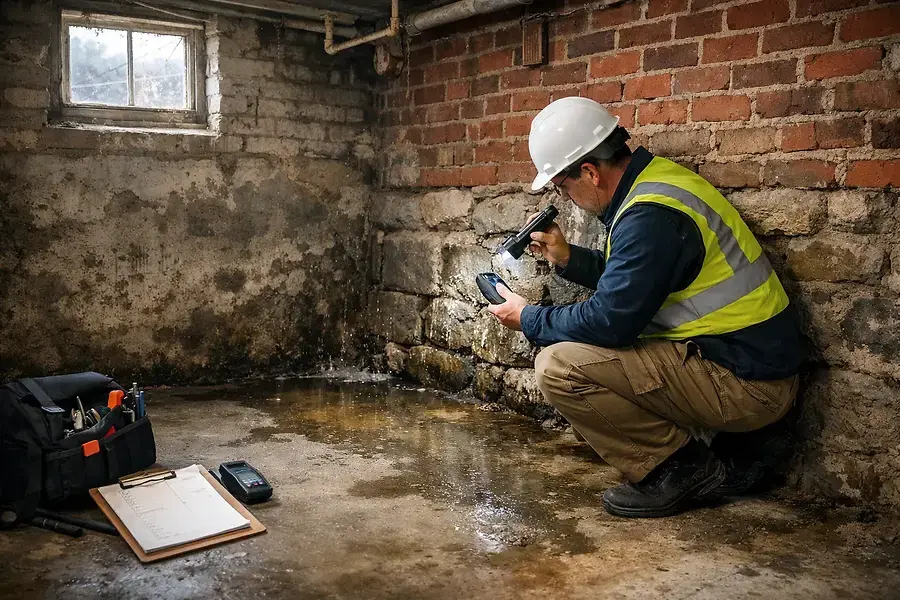
Foundation and Basement Conditions
The foundation is perhaps the most critical component of any home. In Cincinnati, many older homes have stone or brick foundations that may show signs of age. During inspection, look for:
- Visible cracks in the foundation walls or floor
- Water stains or active moisture problems
- Efflorescence (white mineral deposits on walls)
- Bowing or leaning walls
- Gaps between the foundation and sill plate
Basement moisture is particularly common in Cincinnati homes due to the region's clay soil and water table conditions. Ask your inspector about the history of water intrusion and whether waterproofing measures have been implemented.
Roofing and Attic Systems
Cincinnati's weather patterns demand special attention to roofing integrity. Inspect the roof for:
- Age and remaining lifespan of roofing materials
- Missing, cracked, or curled shingles
- Proper ventilation and insulation in the attic
- Signs of leaks or water damage
- Adequate flashing around chimneys and vents
A quality roof is essential in Cincinnati's climate, and replacement can be a significant expense. Make sure your inspector provides a detailed assessment of the roof's condition and estimated remaining life.
Plumbing and Water Systems
Older Cincinnati homes often have original or aging plumbing systems that may need attention. Key inspection points include:
- Type of pipes (galvanized steel, copper, or cast iron)
- Water pressure and flow rates
- Presence of lead pipes or solder
- Condition of the water heater
- Functional drains and sewer lines
Lead pipes and solder were common in homes built before 1986. While not immediately dangerous if undisturbed, they should be identified and potentially replaced, especially if you have young children.
Electrical Systems
Electrical safety is paramount in older homes. Your inspector should evaluate:
- Age and condition of the electrical panel
- Presence of outdated fuses versus modern circuit breakers
- Adequate grounding and bonding
- Number and placement of outlets
- Signs of overloaded circuits or fire hazards
Knob-and-tube wiring, found in many Cincinnati homes built before 1950, is a particular concern. This outdated system poses fire risks and may not be insurable.
HVAC and Climate Control
Heating and cooling systems in older homes may be outdated or inadequate. Check for:
- Age and efficiency of furnace and air conditioning units
- Proper ductwork installation and insulation
- Carbon monoxide detector functionality
- Thermostat operation and zone control
Many Cincinnati homes lack central air conditioning or have inefficient systems. Budget for potential upgrades if climate control is important to you.
Working with Local Inspectors and Understanding Reports
Selecting a Qualified Inspector
Choose a home inspector with specific experience in Cincinnati's older housing stock. Look for inspectors who are:
- Licensed and certified by recognized professional organizations
- Familiar with Cincinnati's architectural styles and common issues
- Willing to provide detailed written reports with photographs
- Available to walk through the property with you
Don't hesitate to ask for references from recent clients or your real estate agent. A knowledgeable local inspector is invaluable when evaluating Cincinnati properties.
Interpreting Inspection Reports
Professional inspection reports can be lengthy and technical. Focus on items marked as "major concerns" or requiring immediate attention. These typically include:
- Structural issues affecting the home's integrity
- Safety hazards like electrical or gas problems
- Systems nearing the end of their lifespan
- Moisture or pest damage
Minor cosmetic issues or deferred maintenance are common in older homes and may be negotiable during the purchase process.
Using Inspection Data in Negotiations
Armed with a thorough inspection report, you have leverage in negotiations. Consider requesting:
- Seller repairs for major safety or structural issues
- Credits toward closing costs for needed repairs
- Price reductions reflecting the cost of necessary work
A professional home inspection is not an expense—it's an investment in your peace of mind and financial security.
Conclusion: Making Informed Decisions with Inspection Data
Purchasing a home in Cincinnati is an exciting opportunity to own a piece of the city's architectural heritage. However, thorough inspection and understanding of what you're buying is essential. By familiarizing yourself with Cincinnati's unique housing characteristics, knowing what to look for in older homes, and working with experienced local inspectors, you can make confident, informed decisions.
Remember that no home is perfect, and older properties naturally show their age. The goal of a home inspection is not to find reasons to walk away, but to understand the property's true condition and plan for necessary maintenance and upgrades. With this knowledge in hand, you'll be well-equipped to navigate Cincinnati's real estate market and find the right home for your needs.


