Cincinnati Home Inspection Essentials: What Buyers Must Know
Protect your investment by understanding what inspectors look for and how to navigate common issues in Cincinnati properties.

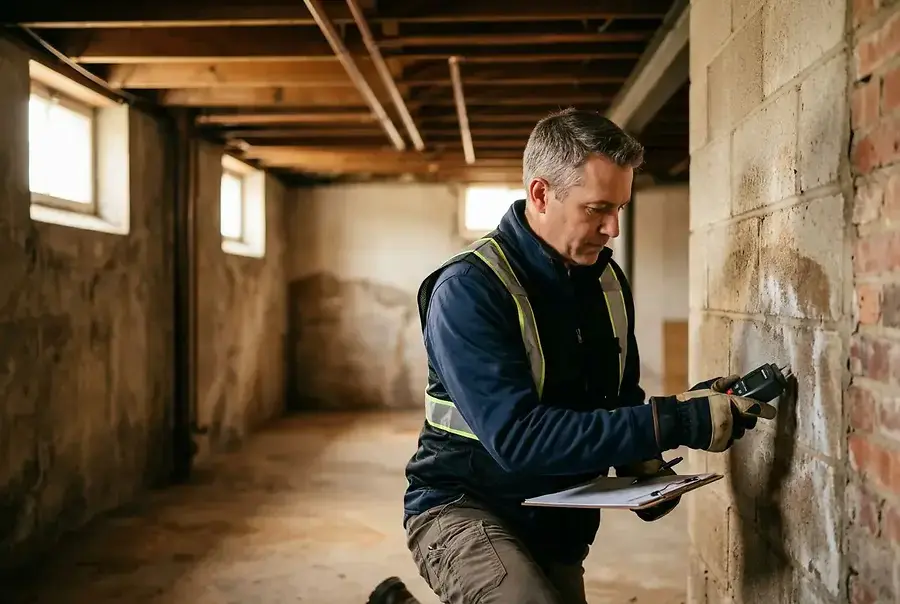
Why Home Inspections Matter in Cincinnati's Real Estate Market
Purchasing a home is one of the most significant financial decisions you'll make in your lifetime. In Cincinnati's competitive real estate market, a thorough home inspection is your best defense against costly surprises after closing. Home inspections provide an objective assessment of a property's condition, helping you understand exactly what you're buying and identifying potential issues before they become expensive problems.
Cincinnati's diverse housing stock—ranging from historic Victorian homes to modern suburban properties—means that inspection needs vary significantly. Whether you're buying a charming older home in Hyde Park or a newer construction in the suburbs, a professional inspector will evaluate the property's systems and structure to give you peace of mind and negotiating power.
Key Areas Inspectors Evaluate in Older Cincinnati Homes
Foundation and Structural Integrity
Cincinnati's older homes often sit on foundations that have settled over decades. Inspectors carefully examine foundations for cracks, water damage, and signs of shifting. They look for:
- Horizontal or stair-step cracks in basement walls
- Water stains and moisture intrusion
- Bowing or leaning walls
- Gaps between walls and floors
These issues are particularly common in Cincinnati's historic neighborhoods where homes were built over a century ago.
Roofing and Exterior Systems
The roof is your home's first line of defense against Ohio's variable weather. Inspectors assess:
- Shingle condition and remaining lifespan
- Flashing around chimneys and vents
- Gutters and downspout functionality
- Exterior siding, brick, and mortar condition
Older homes may have multiple roof layers, which can complicate repairs and replacements. Inspectors will identify these issues so you can budget accordingly.
Plumbing and Water Systems
Cincinnati's water quality and age of plumbing systems require special attention. Inspectors examine:
- Pipe materials (galvanized steel, copper, or PVC)
- Water pressure and flow rates
- Drain functionality and potential clogs
- Water heater age and condition
- Signs of leaks or corrosion
Homes built before the 1980s may have outdated plumbing that needs updating, which is an important consideration for your long-term investment.
Electrical Systems
Electrical safety is paramount. Inspectors evaluate:
- Panel capacity and condition
- Grounding and bonding
- Presence of GFCI outlets in wet areas
- Outdated wiring (knob-and-tube or aluminum)
- Proper circuit breaker operation
Outdated electrical systems are a common finding in Cincinnati's older homes and may require professional upgrades before purchase.
HVAC and Climate Control
Ohio winters demand reliable heating systems. Inspectors check:
- Furnace age and operational efficiency
- Air conditioning functionality
- Ductwork condition and insulation
- Thermostat operation
- Ventilation adequacy
Common Issues Found in Cincinnati Properties and How to Address Them
Water Intrusion and Basement Issues
Water damage is the most common issue in Cincinnati homes. The region's clay soil and seasonal rainfall create conditions where basements are vulnerable to moisture problems. Solutions include:
- Installing or improving sump pump systems
- Applying waterproof coatings to basement walls
- Installing interior or exterior drainage systems
- Improving grading around the foundation
Budget $2,000-$10,000 for comprehensive basement waterproofing, depending on severity.
Outdated Electrical Systems
Many Cincinnati homes still have 100-amp electrical service, which is insufficient for modern appliances and devices. Upgrading to 200-amp service typically costs $3,000-$5,000 but is essential for safety and functionality.
Roof and Chimney Problems
Brick chimneys are common in Cincinnati's older neighborhoods but require regular maintenance. Issues include:
- Deteriorating mortar joints
- Cracked bricks
- Missing chimney caps
- Damaged flashing
Professional chimney repair and repointing can range from $500 to $3,000 depending on the extent of damage.
Outdated Plumbing
Galvanized steel pipes, common in homes built before 1980, corrode over time and restrict water flow. While full replacement is expensive ($8,000-$15,000), selective replacement of problem areas is often a practical interim solution.
HVAC System Age
Furnaces typically last 15-20 years. If your inspection reveals an aging system, budget $4,000-$8,000 for replacement.
Newer high-efficiency systems can reduce heating costs by 15-20% annually.
Making Informed Decisions with Inspection Reports
Once you receive your inspection report, don't panic about every finding. Inspectors note both minor cosmetic issues and serious structural problems. Prioritize your concerns by:
- Safety issues first: Electrical hazards, structural problems, and water intrusion
- System functionality: HVAC, plumbing, and roofing
- Cosmetic concerns: Paint, flooring, and minor repairs
Use the inspection report as a negotiation tool. Request that sellers address major issues or provide credits toward repairs. Many Cincinnati sellers expect negotiations based on inspection findings, so don't hesitate to ask for concessions.
Consider hiring a specialist for major concerns. If the inspector flags significant foundation issues, electrical problems, or roof damage, a second opinion from a specialist can provide clarity and accurate repair estimates.
Remember that no home is perfect. The goal of a home inspection is to understand what you're buying and make an informed decision about whether the property is right for you at the right price.
By understanding what inspectors look for and how to interpret their findings, you'll be better equipped to navigate Cincinnati's real estate market with confidence. A thorough home inspection is an investment in your peace of mind and the protection of your most valuable asset.