Cincinnati Neighborhood Guide: Schools, Walkability & Community
Discover how to evaluate Cincinnati neighborhoods based on schools, amenities, and lifestyle factors that matter most to your family.

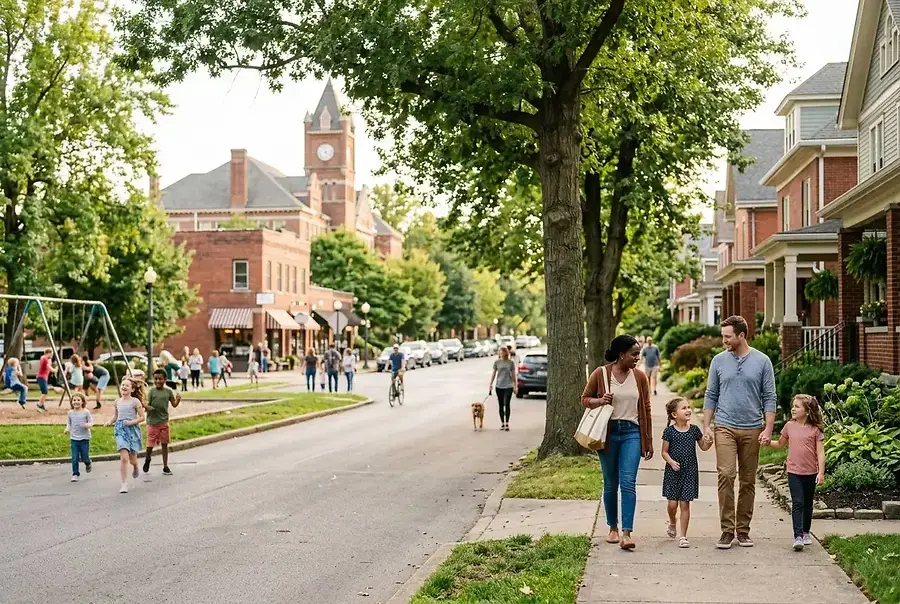
Introduction: What Makes a Cincinnati Neighborhood Right for You
Choosing the right neighborhood in Cincinnati is one of the most important decisions you'll make as a homeowner or renter. Beyond just finding a place to live, you're selecting a community that will shape your daily life, your family's opportunities, and your overall quality of life. Cincinnati offers diverse neighborhoods, each with its own unique character, strengths, and appeal.
Whether you're a young professional seeking vibrant urban energy, a growing family prioritizing excellent schools, or someone looking for a tight-knit community with walkable streets, Cincinnati has neighborhoods tailored to your needs. This guide will help you evaluate neighborhoods based on three critical factors: school quality, walkability, and community features.
Evaluating School Districts and Educational Opportunities
Understanding Cincinnati's School System
For families with children, school quality is often the primary consideration when choosing a neighborhood. Cincinnati Public Schools serves the city proper, while surrounding areas are served by suburban districts like Sycamore Township, Madeira, and Mariemont. Each district has different strengths, resources, and educational philosophies.
Key Factors to Research
- Academic Performance: Review standardized test scores, graduation rates, and college readiness metrics. Look beyond raw numbers to understand how schools support diverse learners.
- School Ratings and Rankings: Check resources like GreatSchools.org and local education reports, but remember that ratings don't capture everything about a school's culture and community.
- Special Programs: Consider whether neighborhoods have schools offering STEM programs, arts education, gifted services, or other specialized curricula that match your child's interests.
- School Facilities and Resources: Visit schools to assess building conditions, technology access, library resources, and extracurricular offerings.
- Teacher Quality and Stability: Research teacher experience levels, professional development opportunities, and staff retention rates.
Beyond Test Scores
While academic metrics matter, consider the whole school experience. Talk to current parents and students about school culture, safety, inclusivity, and community involvement. Some neighborhoods with strong schools also offer enrichment opportunities like music lessons, sports programs, and community centers that enhance childhood development.
Walkability, Amenities, and Local Community Features
The Importance of Walkability
Walkability affects your daily quality of life significantly. A walkable neighborhood means you can access essential services—groceries, pharmacies, parks, restaurants—on foot or by bike. This is especially valuable for families with children, seniors, and anyone who prefers reducing car dependency.
To assess walkability, consider:
- Proximity to Schools: Can children safely walk or bike to school?
- Grocery and Retail Access: Are markets, shops, and services within reasonable walking distance?
- Pedestrian Infrastructure: Are there sidewalks, crosswalks, and traffic calming measures?
- Parks and Recreation: What green spaces and recreational facilities are nearby?
- Public Transportation: Does the neighborhood have good bus or transit access?
Community Amenities and Lifestyle
Cincinnati neighborhoods vary widely in their amenities and character. Some popular neighborhoods include:
- Hyde Park: Known for tree-lined streets, historic charm, and strong community identity with excellent walkability and local businesses.
- Northside: Offers urban living with trendy restaurants, galleries, and a vibrant arts scene attracting young professionals.
- Oakley: Features suburban feel with good schools, parks, and family-friendly amenities while maintaining convenient access to downtown.
- Madisonville: Provides a quieter, residential atmosphere with strong schools and community programs.
Local Community Features to Evaluate
Beyond schools and walkability, examine what makes a neighborhood feel like home:
- Community Organizations: Are there active neighborhood associations, parent groups, or civic organizations?
- Events and Activities: Does the neighborhood host farmers markets, festivals, block parties, or seasonal events?
- Safety and Maintenance: Research crime statistics, but also observe neighborhood upkeep and community pride.
- Diversity and Inclusion: Consider whether the neighborhood's demographics and culture align with your values and preferences.
- Local Businesses: Are there independent coffee shops, restaurants, bookstores, and services that create neighborhood character?
- Parks and Recreation: Evaluate quality and variety of parks, playgrounds, sports facilities, and fitness options.
The Role of Community Connection
Strong neighborhoods are built on community connection.
The best neighborhoods aren't just about physical amenities—they're about people who know their neighbors, support local businesses, and invest in their community's future.Visit neighborhoods at different times of day and seasons. Talk to residents. Attend community events. This personal exploration often reveals more than any statistic.
Conclusion: Making Your Cincinnati Neighborhood Decision
Choosing a Cincinnati neighborhood requires balancing multiple factors: school quality, walkability, amenities, and community character. There's no single "best" neighborhood—the right choice depends on your family's unique priorities and lifestyle.
Start by clarifying what matters most to you. Are excellent schools your top priority? Do you value walkability and urban convenience? Are you seeking a tight-knit community or diverse cultural experiences? Once you've identified your priorities, systematically evaluate neighborhoods using the frameworks in this guide.
Take action: Visit neighborhoods multiple times, talk to residents, tour schools, and spend time in local parks and businesses. Use online resources for research, but trust your instincts about where you and your family will thrive. Cincinnati's diverse neighborhoods offer something for everyone—finding your perfect fit is worth the effort.


