Cleveland Home Inspection Essentials: What Buyers Need to Know
Master the critical inspection process to protect your investment and avoid costly surprises when purchasing in Cleveland.

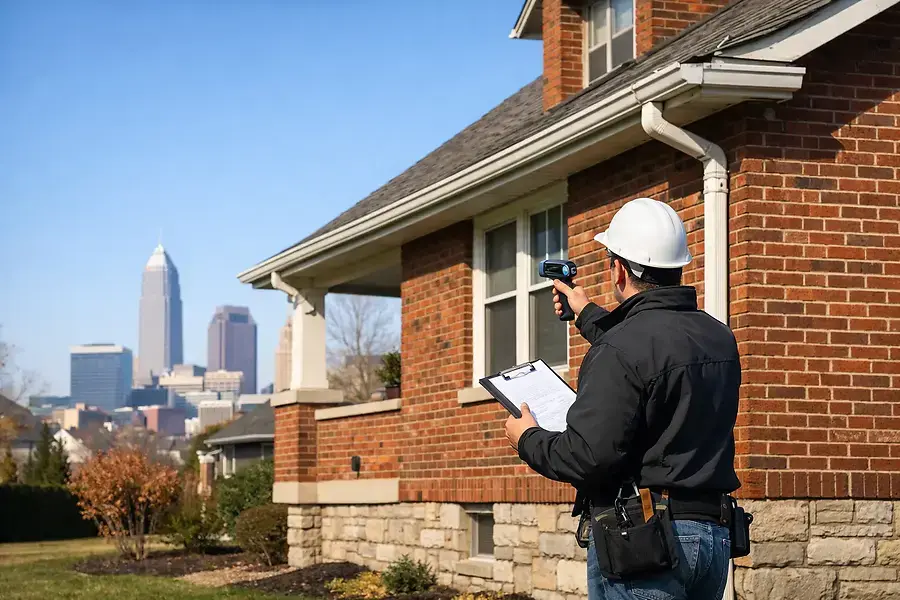
Why Home Inspections Matter in Cleveland's Market
Purchasing a home is one of the most significant financial decisions you'll make, and in Cleveland's competitive real estate market, a thorough home inspection is your best defense against costly surprises. A professional home inspection provides an objective assessment of a property's condition, revealing hidden issues that could affect your investment for years to come.
Many buyers underestimate the importance of inspections, viewing them as an optional expense. However, a comprehensive inspection can uncover structural problems, mechanical failures, and safety hazards that might not be visible during a casual walkthrough. In Cleveland, where many homes were built decades ago, understanding a property's true condition is absolutely critical.
The inspection process typically costs between $300 and $500, a small price compared to the potential cost of repairs or the risk of purchasing a property with serious underlying issues. Beyond financial protection, inspections also give you negotiating power—if significant problems are discovered, you can request repairs, credits, or price reductions before closing.
Key Areas Inspectors Evaluate in Ohio Homes
Structural Components and Foundation
Inspectors begin by examining the foundation, walls, and overall structural integrity. In Cleveland, foundation issues are particularly common due to the region's freeze-thaw cycles and soil composition. Inspectors look for:
- Cracks in the foundation or basement walls
- Signs of water intrusion or moisture damage
- Settling or shifting of the structure
- Deterioration of mortar and brickwork
Roofing and Exterior
The roof is your home's first line of defense against the elements. Inspectors evaluate:
- Roof age and remaining lifespan
- Missing, damaged, or curling shingles
- Proper flashing around chimneys and vents
- Gutter condition and drainage systems
- Siding integrity and paint condition
Cleveland's harsh winters make roof condition especially important, as snow and ice can accelerate wear and create leak risks.
Plumbing Systems
Water-related issues are among the most expensive to repair. Inspectors check:
- Water pressure and flow rates
- Pipe material and condition (galvanized, copper, PVC)
- Signs of leaks or corrosion
- Sump pump functionality
- Water heater age and condition
Electrical Systems
Electrical safety is paramount. Professional inspectors examine:
- Panel capacity and breaker condition
- Grounding and bonding
- Outlet and switch functionality
- Presence of outdated wiring (knob-and-tube, aluminum)
- GFCI protection in wet areas
HVAC and Mechanical Systems
Heating and cooling systems are critical in Cleveland's climate. Inspectors evaluate:
- Furnace or boiler age and efficiency
- Air conditioning unit condition
- Ductwork integrity and insulation
- Thermostat functionality
- Ventilation and air quality
Interior Conditions
Inspectors also assess interior elements including:
- Drywall and plaster condition
- Floor stability and condition
- Window and door operation
- Insulation levels
- Signs of pest infestation or mold
Red Flags and Common Issues Found in Cleveland Properties
Water Damage and Basement Issues
Water intrusion is the most common problem in Cleveland homes. Look for staining, efflorescence (white mineral deposits), or musty odors. Basement flooding during heavy rains is a serious concern that can lead to mold growth and structural damage. Proper grading, functioning gutters, and sump pumps are essential.
Outdated Electrical Systems
Older Cleveland homes often have insufficient electrical capacity or outdated wiring. Aluminum wiring, in particular, poses fire hazards and should be professionally evaluated. If a home still has a fuse box instead of a modern breaker panel, budget for an upgrade.
Aging Roofs and Chimneys
Many Cleveland properties have roofs nearing the end of their lifespan. Chimneys are also common problem areas—deteriorating mortar, missing caps, and damaged flashing can lead to water damage and safety issues. A roof replacement typically costs $8,000 to $15,000, so this is worth investigating thoroughly.
HVAC System Age
Furnaces and air conditioning units typically last 15-20 years. If a home's HVAC system is approaching or exceeding this age, factor replacement costs into your offer. A new furnace can cost $4,000 to $8,000.
Asbestos and Lead Paint
Homes built before the 1980s may contain asbestos in insulation, floor tiles, or pipe wrapping. Homes built before 1978 likely have lead paint. While not always dangerous if undisturbed, these materials require professional assessment and careful handling if renovation is planned.
Poor Ventilation and Mold
Inadequate ventilation in bathrooms and kitchens can lead to moisture accumulation and mold growth. This is particularly common in older Cleveland homes that weren't designed with modern ventilation standards in mind.
Using Inspection Insights to Make Confident Offers
Once you receive the inspection report, you have several options. You can request repairs from the seller, ask for a credit toward repairs you'll handle yourself, or renegotiate the purchase price. Some buyers use inspection findings as justification to walk away from a deal if issues are too severe.
Work closely with your real estate agent and inspector to prioritize concerns. Not every issue requires immediate attention—some are cosmetic, while others pose safety or structural risks. Understanding which category each problem falls into helps you make strategic negotiation decisions.
Remember: A home inspection is an investment in peace of mind. It empowers you with knowledge and protects your financial interests throughout the buying process.
In Cleveland's real estate market, informed buyers make better decisions. By understanding what inspectors evaluate, recognizing common red flags, and using inspection reports strategically, you can confidently move forward with your home purchase knowing you've done your due diligence.


