Clive Home Inspections: Critical Issues to Catch Before Buying
Learn what professional inspectors look for and how to protect your investment in a Clive property.

Why Home Inspections Matter in Clive's Real Estate Market
Purchasing a home is one of the most significant financial decisions you'll make in your lifetime. In Clive's competitive real estate market, a professional home inspection serves as your safeguard against costly surprises after closing. A thorough inspection can reveal hidden defects, structural issues, and system failures that could cost thousands of dollars to repair.
Home inspections are particularly crucial in Clive, where properties range from newer developments to established neighborhoods with older homes. Each property type presents unique challenges and potential issues that only a trained professional can identify. By investing in a comprehensive inspection, you're essentially purchasing peace of mind and protecting your investment from day one.
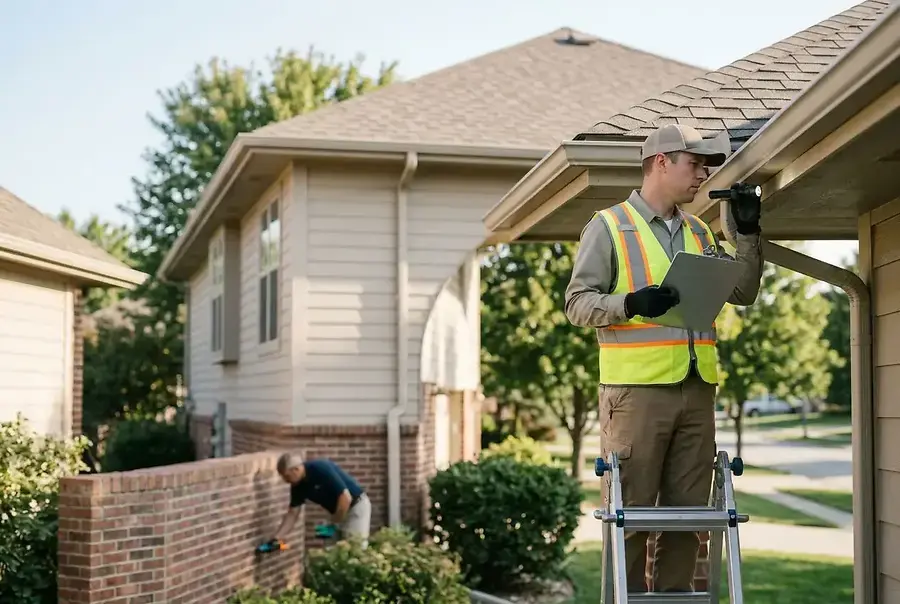
A professional home inspector examines every major system and component of the property, including the foundation, roof, electrical systems, plumbing, HVAC, and more. This detailed evaluation provides you with critical information to make informed decisions about your purchase.
Common Structural and System Issues Found in Clive Homes
Foundation and Structural Concerns
Foundation problems are among the most serious issues inspectors find in Clive homes. These can range from minor settling cracks to significant structural damage that requires expensive repairs. Common foundation issues include:
- Horizontal or stair-step cracks in basement walls
- Water seepage and moisture intrusion
- Uneven or sloping floors indicating settling
- Bowing or leaning walls
Identifying foundation issues early allows you to negotiate repairs or adjust your offer accordingly before committing to the purchase.
Roofing and Weather Protection
The roof is your home's first line of defense against the elements. Inspectors carefully examine roofing materials, flashing, gutters, and ventilation systems. Common roofing issues in Clive properties include missing or damaged shingles, inadequate ventilation, and deteriorated flashing around chimneys and vents. A roof nearing the end of its lifespan can be an expensive replacement, so understanding its condition is essential.
Electrical and Plumbing Systems
Outdated or faulty electrical systems pose serious safety risks. Inspectors look for:
- Outdated wiring that may not meet current codes
- Insufficient electrical capacity for modern appliances
- Improper grounding and bonding
- Overloaded circuits and fire hazards
Similarly, plumbing issues can lead to water damage and mold growth. Inspectors check for corroded pipes, inadequate water pressure, and drainage problems that could require costly repairs.
HVAC and Climate Control
Heating, ventilation, and air conditioning systems are critical for comfort and indoor air quality. Inspectors evaluate the age and condition of furnaces, air conditioners, and ductwork. Systems that are nearing the end of their lifespan may require replacement within a few years, which is an important factor in your purchasing decision.
Red Flags Every Buyer Should Know About During the Inspection Process
Water Damage and Mold
Water damage is one of the most common and costly issues found during home inspections. Signs of water intrusion include staining on ceilings and walls, soft or rotting wood, and musty odors. Mold growth, which thrives in damp environments, poses health risks and can be expensive to remediate. Any evidence of past or present water problems should be thoroughly investigated.
Pest Infestations and Wood-Destroying Organisms
Termites, carpenter ants, and other wood-destroying insects can cause significant structural damage. Inspectors look for evidence of infestations, including mud tubes, damaged wood, and droppings. Professional pest inspections may be necessary if damage is suspected.
Asbestos and Lead Paint
Homes built before the 1980s may contain asbestos in insulation, flooring, and other materials. Similarly, homes painted before 1978 likely contain lead-based paint. While these materials aren't always dangerous if undisturbed, they become hazardous if damaged or removed improperly. Knowing their presence allows you to plan for safe remediation if needed.
Inadequate Ventilation and Moisture Control
Poor ventilation in bathrooms, kitchens, and attics can lead to moisture accumulation, mold growth, and structural damage. Inspectors verify that exhaust fans are properly vented to the exterior and that attic ventilation is adequate for your climate.
Code Violations and Unpermitted Work
Additions, renovations, or modifications completed without proper permits and inspections are red flags. Unpermitted work may not meet current building codes and could create safety hazards or complicate future sales. Always ask about the history of renovations and request documentation of permits.
Using Inspection Reports to Make Confident Clive Home Purchase Decisions
Once you receive the inspection report, take time to review it thoroughly. Don't be overwhelmed by the length or technical language—your inspector should be willing to explain findings in detail. Prioritize issues by severity: life-safety concerns should be addressed immediately, while cosmetic issues can often be negotiated or overlooked.
Use the inspection report as a negotiating tool. If significant issues are discovered, you have several options:
- Request that the seller make repairs before closing
- Negotiate a price reduction to account for repair costs
- Request a credit at closing to cover repairs yourself
- Walk away from the deal if issues are too severe
A professional home inspection is not an expense—it's an investment in your future. The cost of an inspection is minimal compared to the potential savings from identifying major issues before purchase.
Remember that no home is perfect. Older homes will have more wear and tear, while newer homes may have construction defects. The goal of an inspection is to identify issues so you can make an informed decision and plan for future maintenance and repairs.
By understanding what inspectors look for and taking inspection findings seriously, you're taking control of your Clive home purchase. This knowledge empowers you to negotiate effectively, budget for repairs, and ultimately make a confident decision about one of life's most important investments.


