Colorado Front Range vs Mountain Towns: Choosing Your Ideal Home Location
Discover the lifestyle, investment, and community differences between Denver's urban convenience and mountain communities like Winter Park and Grand Lake.

Introduction: Understanding Your Colorado Home Location Options
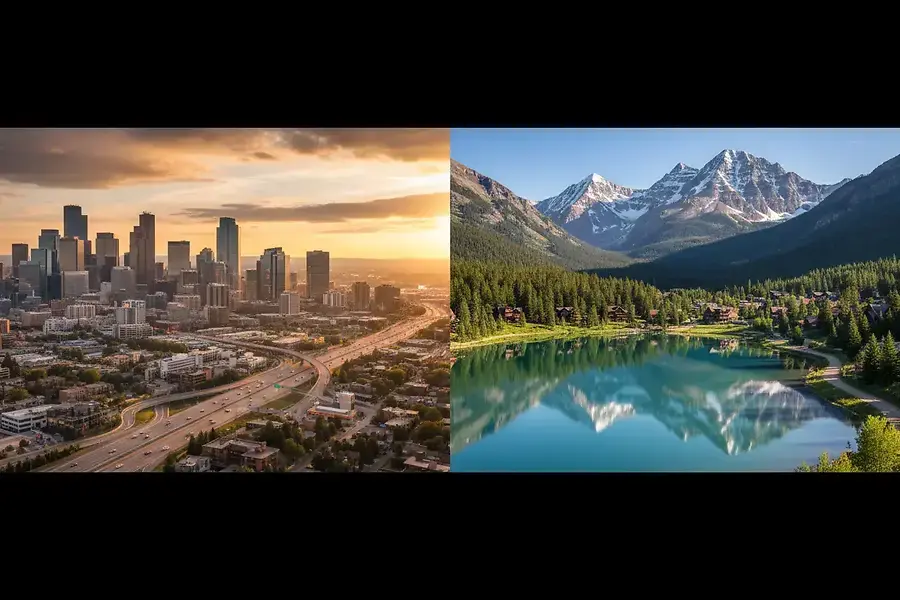
Colorado offers homebuyers a unique choice: the vibrant urban energy of the Front Range or the serene mountain lifestyle of alpine communities. Whether you're drawn to Denver's bustling downtown scene or the peaceful slopes of Winter Park, understanding the differences between these regions is crucial for making the right investment. This guide explores the lifestyle, financial, and community factors that distinguish these two distinct Colorado living experiences.
Front Range Communities: Urban Amenities and Market Dynamics in Denver, Aurora, and Littleton
The Urban Appeal
Front Range communities like Denver, Aurora, and Littleton represent Colorado's economic and cultural heartbeat. Denver's downtown district offers world-class restaurants, entertainment venues, professional sports teams, and thriving arts scenes. These urban centers provide unmatched convenience with shopping, healthcare, and employment opportunities within minutes of your home.
Market Dynamics and Investment Potential
The Front Range real estate market has experienced significant growth, driven by:
- Job Market Strength: Tech companies, healthcare providers, and major corporations have established headquarters throughout the region, creating stable employment opportunities.
- Population Growth: Continuous migration to Colorado has increased demand for housing, supporting property values.
- Infrastructure Development: Ongoing improvements to transportation, schools, and public services enhance community appeal.
- Diverse Housing Options: From downtown lofts to suburban family homes, the Front Range offers something for every budget and lifestyle.
Lifestyle Considerations
Front Range living means embracing an active urban lifestyle. Residents enjoy easy access to cultural events, dining experiences, and entertainment. However, this convenience comes with trade-offs: longer commutes during peak hours, higher population density, and increased cost of living. The region's elevation (around 5,280 feet in Denver) provides some mountain benefits while maintaining urban accessibility.
Mountain Communities: Lifestyle Benefits and Investment Potential in Winter Park, Fraser, and Grand Lake
The Mountain Lifestyle
Mountain towns like Winter Park, Fraser, and Grand Lake offer a fundamentally different living experience. These communities prioritize outdoor recreation, natural beauty, and tight-knit neighborhoods. Residents wake to stunning mountain vistas, enjoy world-class skiing, hiking, and fishing, and experience a slower pace of life that many find rejuvenating.
Year-Round Recreation and Community Spirit
Mountain communities thrive on outdoor activities:
- Winter Sports: Winter Park is renowned for skiing and snowboarding, attracting enthusiasts from across the region.
- Summer Adventures: Hiking, mountain biking, fishing, and camping dominate the warmer months.
- Community Events: Small-town festivals, farmers markets, and local gatherings foster strong neighborhood connections.
- Natural Amenities: Proximity to national forests and pristine wilderness areas provides unparalleled outdoor access.
Investment Considerations for Mountain Properties
Mountain real estate presents unique investment opportunities and challenges.
Mountain properties often appreciate steadily due to limited land availability and increasing demand from remote workers and retirees seeking mountain living.However, potential buyers should consider:
- Seasonal Fluctuations: Tourism-dependent economies can experience income volatility.
- Weather Challenges: Heavy snow, avalanche risks, and winter road conditions require preparation and higher maintenance costs.
- Limited Services: Medical facilities, shopping, and specialized services may require travel to larger towns.
- Remote Work Advantage: The rise of remote work has made mountain communities increasingly attractive to professionals seeking better work-life balance.
The Mountain Community Experience
Living in mountain towns means embracing a community-first mentality. Neighbors know each other, local businesses thrive on personal relationships, and outdoor activities define social life. The trade-off is less anonymity, fewer entertainment options, and potentially longer drives for specialized services. However, many residents find this intimate community atmosphere invaluable.
Conclusion: Making Your Decision Based on Lifestyle, Budget, and Long-Term Goals
Evaluating Your Priorities
Choosing between the Front Range and mountain communities requires honest self-assessment. Ask yourself:
- Do you prioritize career advancement and urban amenities, or outdoor recreation and community connection?
- What is your budget for both purchase price and ongoing living expenses?
- How important is proximity to specialized services, healthcare, and education?
- Are you seeking a primary residence or an investment property?
- How do weather conditions and seasonal changes affect your lifestyle preferences?
Making Your Final Decision
Front Range communities suit professionals seeking career growth, families wanting diverse schools and services, and those who thrive in urban environments. The investment potential remains strong with consistent appreciation and rental demand.
Mountain communities appeal to outdoor enthusiasts, remote workers, retirees, and those seeking authentic community connections. These areas offer lifestyle richness that money cannot buy, though financial returns may be more variable.
Colorado's greatest advantage is offering both options within a few hours' drive. Many residents split time between locations, enjoying mountain weekends while maintaining Front Range employment. Whatever you choose, Colorado's natural beauty and vibrant communities ensure a rewarding living experience.


