Colorado Mountain Home Buyers: Essential Considerations for High-Altitude Living
Discover what makes mountain and foothill communities from Denver to Grand Lake unique, and how to evaluate if high-altitude residential living is right for your family.

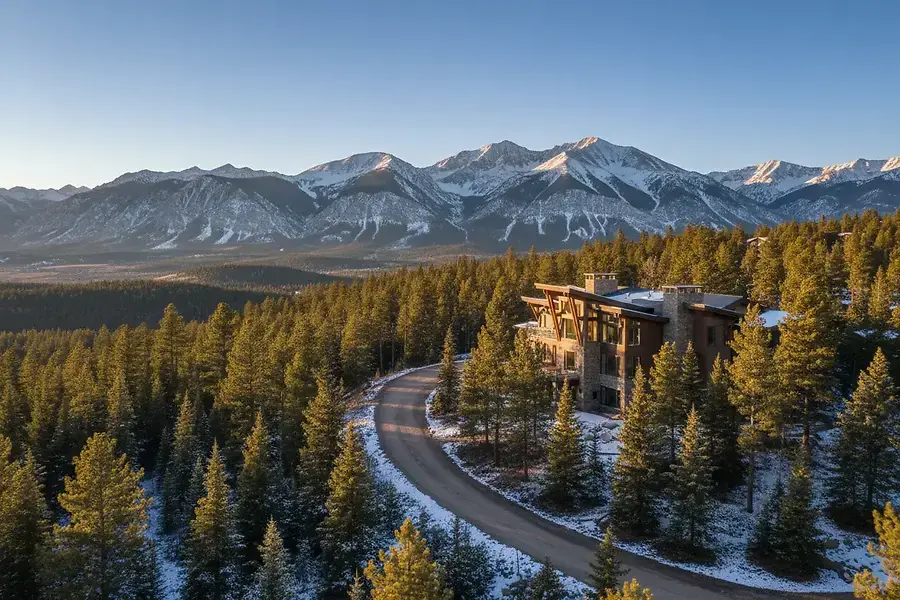
Introduction: Understanding Colorado's Mountain and Foothill Real Estate Market
Colorado's mountain and foothill communities represent some of the most desirable residential markets in the United States. From the bustling Denver metro suburbs to the serene mountain towns near Grand Lake, these regions offer a unique blend of natural beauty, outdoor recreation, and community charm. However, purchasing a home in Colorado's high-altitude areas requires careful consideration of factors that differ significantly from traditional real estate markets.
Whether you're drawn to the crisp mountain air, stunning vistas, or proximity to world-class skiing and hiking, understanding the realities of mountain living is essential before making this significant investment. This guide will help you navigate the key considerations that can make or break your mountain home purchase decision.
Climate, Elevation, and Lifestyle Factors to Evaluate Before Buying
Understanding High-Altitude Living
Colorado's elevation ranges dramatically, from Denver's 5,280 feet (the famous "Mile High City") to peaks exceeding 14,000 feet. Higher elevations present unique challenges that prospective buyers must understand:
- Altitude Sickness: New residents may experience headaches, fatigue, and shortness of breath during their first weeks at elevation. Acclimatization typically takes 2-4 weeks.
- Dry Climate: The thin mountain air creates extremely low humidity levels, affecting skin, respiratory health, and vegetation.
- Intense Sunlight: With less atmospheric filtering, UV exposure is significantly higher, requiring diligent sun protection.
- Rapid Weather Changes: Mountain weather can shift dramatically within hours, bringing sudden snowstorms or temperature fluctuations.
Winter Conditions and Accessibility
Mountain living means preparing for serious winter weather. Properties at higher elevations experience longer snow seasons, avalanche risks in certain areas, and road closures that can isolate communities. Consider whether your family can handle:
- Extended periods of snow and ice on roads and driveways
- The need for four-wheel-drive vehicles or snow tires
- Potential isolation during severe weather events
- Higher costs for snow removal and winter maintenance
Infrastructure and Services
Mountain communities often lack the infrastructure of urban areas. Before purchasing, verify the availability of:
- Emergency Services: Response times for fire, police, and ambulance services may be significantly longer than in urban areas.
- Healthcare Facilities: Hospitals and specialists may require travel to larger towns.
- Utilities: Water, sewer, and internet connectivity can be limited or unreliable in remote areas.
- Schools: Educational options may be fewer, with longer commutes to quality institutions.
Lifestyle Considerations
Mountain living attracts those seeking outdoor recreation and a slower pace of life. Evaluate whether your family truly embraces this lifestyle:
Mountain communities thrive on outdoor activities, community engagement, and self-reliance. Success in this environment depends on genuine enthusiasm for these values rather than romantic notions of mountain living.
- Do you enjoy hiking, skiing, and outdoor activities year-round?
- Can you adapt to limited shopping, dining, and entertainment options?
- Are you prepared for a tight-knit community where everyone knows your business?
- Do you have the skills or resources for home maintenance in challenging conditions?
Comparing Communities: Denver Metro Suburbs vs. Mountain Towns
Denver Metro Suburbs and Foothills
Communities in the Denver metro area and nearby foothills offer a middle ground between urban convenience and mountain living. Areas like Boulder, Colorado Springs, and the Tech Center suburbs provide:
- Better access to urban amenities while maintaining proximity to mountains
- More developed infrastructure and reliable utilities
- Shorter emergency response times and better healthcare access
- More diverse employment opportunities and higher average salaries
- Established school systems with broader educational options
Trade-offs: These areas experience higher property costs, more traffic congestion, and less of the "true mountain experience" that appeals to some buyers.
True Mountain Towns
Communities like Grand Lake, Estes Park, Aspen, and Telluride offer authentic mountain living with distinct advantages:
- Stunning natural scenery and direct access to wilderness areas
- Strong sense of community and shared values
- Lower population density and less traffic
- Unique character and cultural attractions
- Potential for vacation rental income if desired
Trade-offs: These communities often have limited job markets, higher property maintenance costs, seasonal population fluctuations, and potential isolation during winter months. Property values can be volatile depending on tourism and economic cycles.
Key Comparison Factors
When evaluating specific communities, research these critical factors:
- Property Taxes: Mountain counties vary significantly in tax rates and assessment practices.
- Insurance Costs: Homeowners insurance, especially for properties at higher elevations or in avalanche zones, can be substantially higher.
- Resale Potential: Consider whether the community has strong demand and whether your property type will appeal to future buyers.
- Community Growth: Understand whether the area is developing, stable, or declining, as this affects property values and services.
- Environmental Hazards: Research wildfire risk, avalanche zones, flooding potential, and other natural hazards specific to the location.
Conclusion: Making Your Mountain Home Decision with Confidence
Purchasing a mountain home in Colorado is an exciting opportunity to embrace a unique lifestyle surrounded by natural beauty. However, success requires honest self-assessment and thorough research. Ask yourself these final questions:
- Is my family genuinely prepared for high-altitude living and its challenges?
- Can we afford the higher costs associated with mountain property ownership?
- Does the specific community align with our lifestyle preferences and long-term goals?
- Have we thoroughly investigated the property's condition, hazards, and infrastructure?
- Are we comfortable with the isolation and limited services that mountain living may entail?
Work with a real estate agent experienced in mountain communities and hire professionals to conduct thorough inspections and environmental assessments. Visit potential communities during different seasons to experience the full reality of mountain living. Take your time with this decision—a mountain home can be a wonderful investment and lifestyle choice when it's the right fit for your family.
Colorado's mountain and foothill communities offer unparalleled natural beauty and outdoor recreation opportunities. By carefully evaluating your priorities, researching specific communities, and honestly assessing your family's readiness for mountain living, you can make a confident decision that brings years of enjoyment and satisfaction.