Colorado Mountain Town Real Estate: Market Trends and Buyer Insights
Discover the current market dynamics, pricing patterns, and investment opportunities across Colorado's most sought-after high-altitude residential communities.

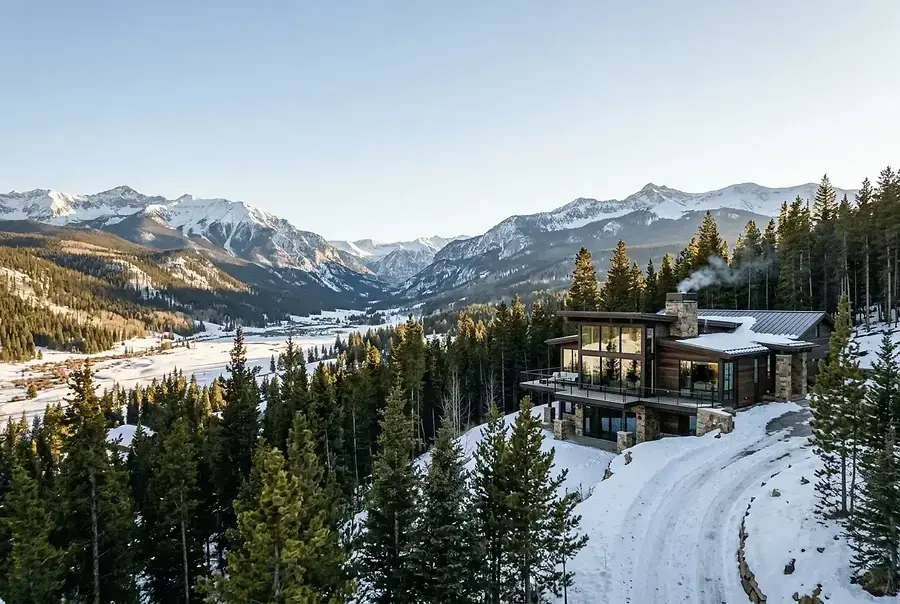
Understanding the Colorado Mountain Real Estate Market
Colorado's mountain towns have become increasingly attractive to homebuyers and investors seeking a unique blend of natural beauty, outdoor recreation, and community charm. From Aspen to Telluride, Vail to Boulder, these high-altitude residential communities represent some of the most desirable real estate markets in the United States. The Colorado mountain real estate market has experienced significant growth, driven by remote work opportunities, lifestyle preferences, and the region's exceptional natural amenities.
The appeal of mountain living extends beyond scenic vistas. Buyers are drawn to the vibrant communities, world-class skiing, hiking trails, and a lifestyle that prioritizes outdoor recreation and wellness. Understanding the current market dynamics is essential for anyone considering an investment in these sought-after locations.
Market Overview: Pricing, Inventory, and Demand Across Mountain Towns
Pricing Patterns and Market Segments
Colorado mountain real estate encompasses a wide range of price points, from modest cabins to luxury estates. Median home prices vary significantly depending on location and amenities, with premium mountain towns commanding higher valuations than emerging communities. The luxury segment continues to show strong performance, while mid-range properties offer excellent value for buyers seeking mountain living without the premium price tag.
Recent market data reveals:
- Luxury properties (over $2 million) maintain steady demand from affluent buyers and investors
- Mid-range homes ($800,000 - $2 million) experience the highest transaction volume
- Entry-level mountain properties ($400,000 - $800,000) attract first-time mountain buyers and young families
- Seasonal vacation properties command premium prices in resort-adjacent communities
Inventory and Supply Dynamics
Inventory levels remain a critical factor shaping the Colorado mountain real estate landscape. Many mountain towns experience seasonal fluctuations in available listings, with spring and summer typically bringing increased inventory. However, desirable properties in prime locations often sell quickly, sometimes within days of listing.
The limited supply of developable land in mountain communities creates natural scarcity, supporting long-term property values. This constraint particularly benefits existing homeowners and creates opportunities for strategic investors who understand local market cycles.
Demand Drivers and Market Momentum
Several factors continue to fuel demand in Colorado's mountain real estate market:
- Remote Work Revolution: Flexible work arrangements enable professionals to relocate to mountain communities while maintaining urban salaries
- Outdoor Lifestyle Appeal: Year-round recreational opportunities attract active individuals and families
- Investment Potential: Strong appreciation history and rental income opportunities appeal to investors
- Quality of Life: Lower stress environments and strong community bonds attract those seeking lifestyle changes
- Vacation Rental Income: Short-term rental opportunities provide attractive returns in resort towns
Buyer Considerations: Lifestyle, Climate, and Community Factors
Lifestyle and Recreation
Mountain living offers unparalleled access to outdoor activities. Skiing, snowboarding, hiking, mountain biking, and rock climbing are just minutes from most mountain residences. Buyers should consider their recreational priorities and ensure their chosen community aligns with their interests.
Beyond winter sports, Colorado's mountains offer exceptional summer activities, including trail running, fishing, and alpine hiking. The extended outdoor season makes mountain communities attractive year-round destinations.
Climate and Seasonal Considerations
Colorado's high altitude creates unique climate conditions that buyers must understand:
- Significant snowfall during winter months requires property maintenance and snow removal services
- Thin air at high elevations may affect some individuals' health and require acclimatization
- Intense sun exposure due to altitude necessitates sun protection measures
- Rapid weather changes demand preparedness and flexible travel plans
- Winter road conditions may impact accessibility and require winter-capable vehicles
Mountain living is not just about the destination—it's about embracing a lifestyle that celebrates nature, community, and personal wellness.
Community and Infrastructure
Each mountain town possesses distinct character and community offerings. Prospective buyers should evaluate local schools, healthcare facilities, shopping options, and cultural amenities. Some communities emphasize family-friendly environments, while others cater to adventure seekers and retirees.
Infrastructure considerations include:
- Road access and winter maintenance capabilities
- Utility availability and reliability at high elevations
- Internet connectivity for remote workers
- Emergency services and medical facilities
- Property management and HOA services
Financial and Practical Factors
Beyond lifestyle considerations, buyers must evaluate practical financial aspects. Property taxes, insurance costs, and maintenance expenses in mountain communities often exceed those in lower-elevation areas. Seasonal property maintenance, snow removal, and specialized services add to ownership costs.
Prospective buyers should also consider:
- Financing availability—some lenders have restrictions on mountain properties
- Insurance premiums—higher due to weather and fire risks
- Resale potential and market liquidity
- Rental income potential if considering investment properties
- Long-term appreciation trends in specific communities
Making Your Mountain Town Investment Decision
Investing in Colorado mountain real estate requires careful consideration of multiple factors. Successful buyers balance lifestyle aspirations with financial realities, ensuring their investment aligns with both personal goals and market fundamentals.
Key steps for prospective buyers include:
- Visit communities during different seasons to experience varied conditions
- Consult with local real estate professionals familiar with specific market dynamics
- Research community development plans and zoning regulations
- Evaluate property-specific factors including elevation, exposure, and accessibility
- Consider working with financial advisors to assess investment returns and tax implications
Colorado's mountain towns offer exceptional opportunities for those seeking to combine investment potential with lifestyle enhancement. Whether pursuing a primary residence, vacation retreat, or investment property, understanding market trends and personal priorities ensures informed decision-making. The mountain real estate market continues to evolve, presenting both opportunities and challenges for discerning buyers ready to embrace high-altitude living.