Colorado Residential Markets: Denver Metro to Mountain Communities
Navigate price trends, lifestyle differences, and investment potential across the Front Range and mountain communities.

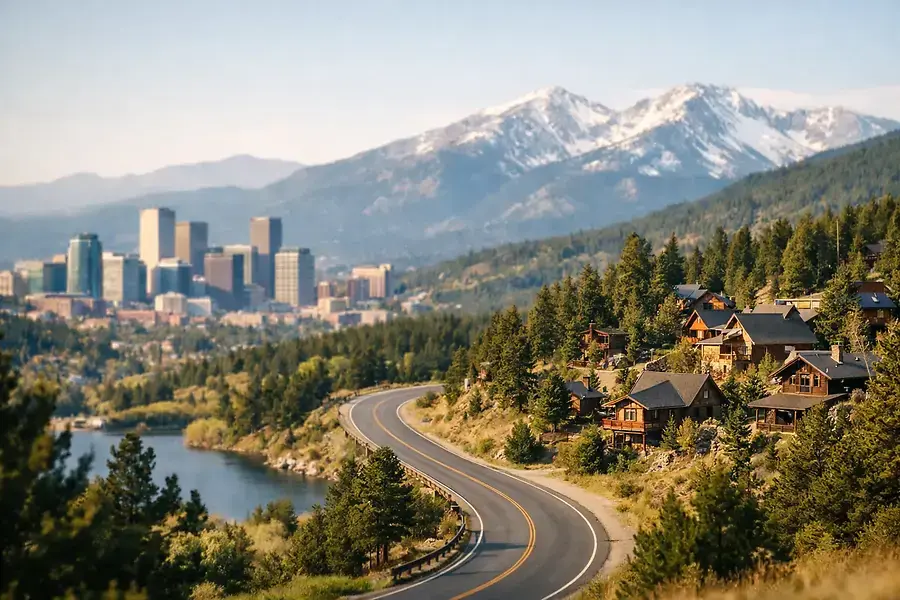
Understanding the Denver Metro vs. Mountain Community Markets
Colorado's real estate landscape presents a fascinating study in contrasts. The Denver metropolitan area continues to experience robust growth, driven by tech companies, corporate relocations, and a steady influx of young professionals seeking urban amenities with mountain access. Meanwhile, mountain communities like Aspen, Boulder, Vail, and Telluride offer a distinctly different appeal—one centered on outdoor recreation, natural beauty, and a more intimate community feel.
The Denver metro market has seen significant appreciation over recent years, with median home prices reflecting the region's economic vitality. However, mountain communities command premium prices due to limited inventory, desirable locations, and their status as both primary residences and vacation destinations. Understanding these market dynamics is crucial for any homebuyer considering Colorado.
Market Dynamics and Price Trends
Denver's suburbs—including areas like Boulder, Littleton, and Aurora—have become increasingly competitive. The market here is characterized by:
- Steady population growth and job creation
- More affordable entry points compared to mountain communities
- Diverse neighborhoods catering to various lifestyles
- Shorter commute times to employment centers
Mountain communities, conversely, operate in a different pricing tier. Properties in Aspen and Vail can exceed several million dollars, while smaller mountain towns offer more moderate pricing but still command premiums due to their desirability and limited supply.
Lifestyle and Amenities: What Each Region Offers Homebuyers
Denver Metro Living
The Denver metropolitan area offers urban convenience with outdoor access. Residents enjoy:
- World-class restaurants, shopping, and entertainment venues
- Professional sports teams and cultural institutions
- Excellent schools and educational opportunities
- Diverse job markets and career advancement potential
- Easy access to hiking, biking, and outdoor recreation within 30 minutes
Denver's neighborhoods range from trendy downtown lofts to spacious suburban homes with yards. The city's craft beer scene, farm-to-table restaurants, and vibrant arts community make it attractive to young professionals and families alike.
Mountain Community Living
Mountain communities prioritize lifestyle and natural beauty above all else. These areas offer:
- Year-round outdoor recreation—skiing, hiking, mountain biking, and fishing
- Tight-knit, community-oriented neighborhoods
- Stunning natural scenery and clean air
- Slower pace of life and reduced stress
- Strong sense of place and local identity
However, mountain living comes with trade-offs. Services may be limited, healthcare facilities might require travel, and winter weather can be challenging. The cost of living is typically higher, and job opportunities are more limited compared to Denver.
The Lifestyle Question
The choice between Denver and mountain communities ultimately comes down to personal priorities: Do you value career opportunities and urban amenities, or do you prioritize outdoor recreation and community connection?
Investment Potential and Long-Term Value Across Colorado's Diverse Regions
Denver Metro Investment Strategy
The Denver metropolitan area presents solid long-term investment potential for several reasons:
- Population Growth: Colorado continues to attract residents, supporting property value appreciation
- Economic Diversification: Tech, energy, aerospace, and healthcare sectors provide economic stability
- Rental Market: Strong demand for rental properties supports cash flow for investors
- Accessibility: Lower entry prices compared to mountain properties allow for portfolio diversification
Suburban Denver markets offer particularly attractive opportunities for investors seeking balance between appreciation potential and cash flow.
Mountain Community Investment Considerations
Mountain properties present a different investment profile. While appreciation potential can be significant, investors should consider:
- Seasonal Fluctuations: Tourism-dependent markets experience seasonal price variations
- Limited Inventory: Fewer properties available means less liquidity
- Vacation Rental Potential: Properties can generate income through short-term rentals
- Luxury Market Dynamics: High-end properties may appreciate differently than mainstream markets
Mountain properties often appeal to investors seeking second homes or vacation rental income rather than primary residence appreciation.
Comparative Value Analysis
For long-term wealth building, Denver metro areas typically offer better appreciation potential relative to purchase price. Mountain communities excel for those seeking lifestyle benefits alongside investment returns, though at a premium cost.
Making Your Decision: Which Colorado Market Aligns With Your Goals
Assess Your Priorities
Before committing to either market, honestly evaluate your priorities:
- Career and income stability
- Family needs and school quality
- Lifestyle preferences and recreational interests
- Budget and financing capacity
- Long-term investment goals
- Tolerance for weather and seasonal changes
Financial Considerations
Denver metro properties typically offer better value for first-time homebuyers and investors with moderate budgets. Mountain properties require substantial capital but offer unique lifestyle and potential vacation rental income.
The Hybrid Approach
Many Colorado residents adopt a hybrid strategy—maintaining a primary residence in the Denver metro while investing in mountain property for recreation and potential rental income. This approach provides the best of both worlds: career opportunities and urban amenities in Denver, combined with mountain lifestyle and investment potential.
Final Thoughts
Colorado's diverse real estate markets offer something for everyone. Whether you're drawn to Denver's dynamic energy and economic opportunities or the serene beauty and outdoor lifestyle of mountain communities, the key is aligning your choice with your personal and financial goals. Take time to explore both markets, speak with local real estate professionals, and envision your ideal Colorado lifestyle before making this significant decision.