Colorado Springs Home Inspections: Essential Buyer Protection Guide
Learn what professional inspectors look for and how to protect your investment before closing.

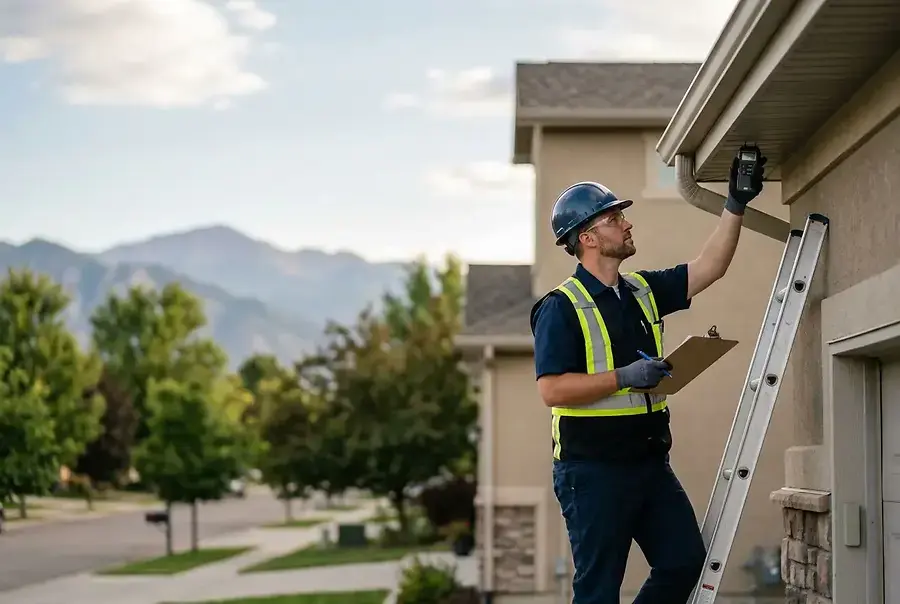
Why Home Inspections Matter in Colorado Springs
Purchasing a home is one of the most significant financial decisions you'll make in your lifetime. In Colorado Springs, where the real estate market is competitive and properties vary widely in age and condition, a professional home inspection is not just recommended—it's essential. A thorough inspection provides you with an objective assessment of your potential property's condition before you commit to the purchase.
Home inspections serve as your protection against unexpected and costly repairs after closing. They give you the opportunity to negotiate repairs or credits with the seller, request a price reduction, or even walk away from the deal if serious issues are discovered. Without an inspection, you could inherit problems that weren't visible during your initial walkthrough.
The Role of Professional Inspectors
Licensed home inspectors in Colorado Springs are trained to identify structural issues, mechanical problems, and safety concerns that untrained eyes might miss. They examine everything from the foundation to the roof, testing systems and looking for signs of damage, wear, or improper installation. Their expertise helps level the playing field between buyers and sellers.
Common Issues Found in Colorado Springs Properties
Colorado Springs' unique climate and geography create specific challenges for homeowners. Understanding these common issues can help you know what to expect during your inspection.
Foundation and Structural Concerns
The region's expansive clay soils and freeze-thaw cycles can cause foundation movement and cracking. Inspectors pay close attention to:
- Cracks in basement walls or floors
- Uneven or sloping floors
- Gaps between walls and windows or doors
- Signs of water intrusion or moisture damage
Roof and Weather-Related Damage
Colorado Springs experiences significant hail and wind, making roof condition critical. Inspectors look for:
- Missing or damaged shingles
- Hail impact damage
- Improper flashing around chimneys and vents
- Gutter and downspout issues
HVAC and Mechanical Systems
The dramatic temperature swings between seasons put stress on heating and cooling systems. Common findings include:
- Aging furnaces or air conditioning units nearing the end of their lifespan
- Improper ventilation or ductwork issues
- Refrigerant leaks in AC systems
- Inadequate maintenance records
Water Damage and Moisture Issues
Despite Colorado Springs' relatively dry climate, water damage remains a concern in basements and crawl spaces. Inspectors examine:
- Evidence of past or present water intrusion
- Mold or mildew growth
- Sump pump functionality
- Proper grading around the foundation
Understanding Your Inspection Report
After the inspection is complete, you'll receive a detailed report. Understanding how to read and interpret this document is crucial for making informed decisions about your purchase.
Report Structure and Categories
Professional inspection reports typically organize findings by system or area of the home. You'll find sections covering:
- Roof and Exterior: Condition of roofing materials, siding, windows, and doors
- Foundation and Structure: Basement, crawl space, and structural integrity
- Mechanical Systems: Heating, cooling, plumbing, and electrical systems
- Interior: Walls, ceilings, floors, and built-in appliances
- Safety Issues: Hazards requiring immediate attention
Severity Levels and Prioritization
Most inspectors categorize findings by severity. Critical issues require immediate attention and may affect your decision to purchase. Major concerns should be addressed soon to prevent further damage. Minor items are typically maintenance-related and less urgent.
Pro Tip: Don't ignore items marked as minor. While they may not require immediate attention, addressing them proactively can prevent them from becoming major problems down the road.
What the Report Doesn't Cover
It's important to understand that standard home inspections have limitations. Inspectors typically do not evaluate:
- Pest or termite damage (requires separate inspection)
- Radon levels (requires specialized testing)
- Lead paint or asbestos (requires specialized testing)
- Environmental hazards or soil contamination
- Cosmetic issues or design preferences
If you're concerned about any of these areas, request specialized inspections before closing.
Next Steps After Your Inspection
Receiving your inspection report is just the beginning. Here's how to move forward strategically.
Review and Ask Questions
Take time to thoroughly review the report. If anything is unclear, contact your inspector for clarification. Many inspectors offer follow-up consultations to discuss findings in detail. Don't hesitate to ask questions—this is your investment.
Prioritize Your Concerns
Work with your real estate agent to prioritize the issues found. Separate critical safety concerns from cosmetic issues. This helps you determine which items to negotiate with the seller.
Negotiate or Renegotiate
Use the inspection report as leverage in negotiations. You can:
- Request the seller make repairs before closing
- Ask for a credit toward closing costs to handle repairs yourself
- Negotiate a lower purchase price based on the cost of repairs
- Request the seller provide proof of recent repairs or maintenance
Plan for Future Maintenance
Even if the inspection reveals no major issues, use the report as a maintenance roadmap. Understanding your home's condition helps you budget for future repairs and plan preventative maintenance. This proactive approach can save you thousands of dollars over time.
Consider Additional Inspections
If the general inspection raises concerns about specific systems, consider hiring specialists. A plumber can evaluate plumbing systems, an electrician can assess electrical safety, and a structural engineer can examine foundation concerns more thoroughly.
Final Thought: A home inspection is one of the most valuable investments you can make during the home-buying process. In Colorado Springs' unique climate and real estate market, it's an essential step toward protecting your investment and ensuring you're making an informed decision about one of life's biggest purchases.