Commercial and Residential Real Estate Growth in Greater Boston Suburbs
How mixed-use development is transforming South Shore communities into thriving business and residential destinations.

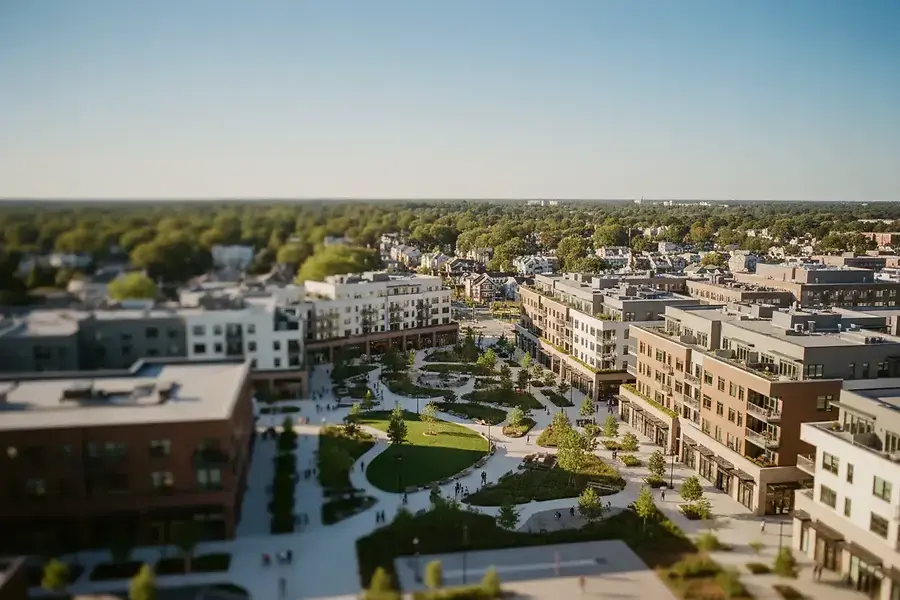
The Shift Toward Mixed-Use Development in Boston Area Suburbs
The Greater Boston metropolitan area is experiencing a significant transformation in how communities are being developed and reimagined. Gone are the days of strictly segregated residential neighborhoods and isolated commercial zones. Today, mixed-use development has become the gold standard for creating vibrant, walkable communities that serve multiple purposes and appeal to diverse demographics.
South Shore communities, in particular, have emerged as leaders in this evolution. Towns like Weymouth, Norwell, and Cohasset are witnessing unprecedented growth as developers recognize the immense potential of combining residential, commercial, and recreational spaces in thoughtfully designed projects. This shift reflects broader market trends where residents increasingly prefer convenience, community engagement, and access to amenities within their neighborhoods.
The appeal is clear: mixed-use developments reduce commute times, foster local economies, and create the kind of vibrant street life that attracts both residents and businesses. For real estate investors and portfolio managers, this represents a compelling opportunity to capitalize on one of the most dynamic real estate markets in New England.
Commercial Expansion Across South Shore and Metro Boston Markets
The Rise of Retail and Office Spaces
Commercial real estate in the South Shore has undergone a remarkable renaissance. Traditional strip malls are being reimagined as modern retail destinations featuring local boutiques, restaurants, and service providers. Meanwhile, office spaces are evolving to accommodate the hybrid work revolution, with flexible layouts and collaborative environments replacing outdated cubicle farms.
Key drivers of this commercial expansion include:
- Increased demand for local shopping and dining experiences
- Growing preference for suburban office locations with easier parking and commute options
- Rising commercial rents in downtown Boston pushing businesses toward more affordable South Shore alternatives
- Enhanced infrastructure and transportation improvements connecting suburbs to major employment centers
Hospitality and Entertainment Sectors
Beyond traditional retail and office spaces, the hospitality and entertainment sectors are flourishing. New boutique hotels, upscale restaurants, and entertainment venues are opening throughout the region, catering to both local residents and visitors. These establishments serve as anchors for mixed-use developments, drawing foot traffic and creating vibrant public spaces.
The commercial landscape is becoming increasingly sophisticated, with developers investing in high-quality finishes, modern amenities, and sustainable building practices that appeal to today's discerning tenants and customers.
Residential-Commercial Integration: Creating Community Value
The Live-Work-Play Model
Perhaps the most transformative aspect of mixed-use development is how it enables the live-work-play model that modern residents crave. Imagine living in a modern apartment or townhome, working in an office just blocks away, and enjoying dinner at a nearby restaurant—all within the same development or neighborhood.
This integration creates several tangible benefits:
- Reduced transportation costs: Shorter commutes mean lower fuel expenses and less time spent driving
- Enhanced quality of life: More time for family, hobbies, and community involvement
- Environmental sustainability: Decreased vehicle emissions and a smaller carbon footprint
- Community cohesion: Shared spaces and local businesses foster genuine neighborhood connections
Residential Development Trends
Residential components of mixed-use projects are equally impressive. Developers are creating diverse housing options—from luxury apartments and condominiums to townhomes and single-family residences—ensuring that communities appeal to various life stages and income levels. Walkability, proximity to amenities, and access to green spaces have become essential selling points.
The residential market in South Shore suburbs is particularly attractive to young professionals, families, and empty nesters seeking alternatives to urban living without sacrificing convenience or cultural amenities. Property values in these mixed-use communities have demonstrated strong appreciation, making them excellent investment opportunities.
Infrastructure and Amenities
Successful mixed-use developments prioritize infrastructure and community amenities. Parks, plazas, fitness centers, and cultural spaces are integral components that enhance resident satisfaction and attract commercial tenants.
Communities that invest in quality public spaces and infrastructure create environments where people want to live, work, and spend their leisure time.
These amenities also increase property values and rental rates, benefiting investors and property owners throughout the development.
Positioning Your Portfolio in Boston's Evolving Real Estate Landscape
For real estate investors and portfolio managers, the growth of mixed-use development in Greater Boston's suburbs presents compelling opportunities. The fundamentals are strong: population growth, economic diversity, and changing consumer preferences all support continued expansion in these markets.
Consider these strategic positioning recommendations:
- Diversify across property types: Include residential, commercial, and mixed-use assets in your portfolio to capture multiple revenue streams
- Focus on South Shore communities: These areas offer strong growth potential with less competition than downtown Boston markets
- Prioritize walkable, amenity-rich locations: Properties in well-designed mixed-use developments command premium prices and attract quality tenants
- Monitor infrastructure development: Improvements in transportation and utilities often precede significant property appreciation
- Engage with local development trends: Understanding municipal zoning changes and planned projects helps identify emerging opportunities
The real estate landscape in Greater Boston is undeniably shifting. Mixed-use development is no longer a niche strategy—it's becoming the dominant model for how communities are built and reimagined. South Shore suburbs are at the forefront of this transformation, offering investors and residents alike the opportunity to participate in the creation of truly vibrant, sustainable communities.
By understanding these trends and positioning your portfolio accordingly, you can capitalize on one of New England's most dynamic and promising real estate markets. The future of Boston's suburbs is mixed-use, and the time to invest is now.


