Commercial and Residential Real Estate Opportunities in Southeast Michigan
Discover how commercial and residential properties are reshaping the real estate landscape across Waterford, Farmington, Davisburg, Commerce Township, and Detroit.

Understanding Mixed-Use Properties and Market Demand
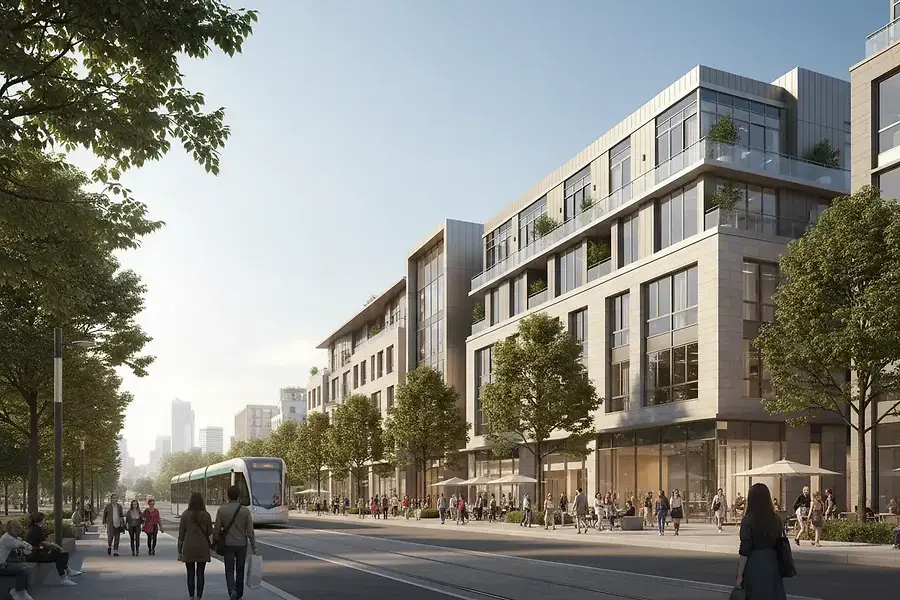
The Southeast Michigan real estate market is experiencing a significant transformation, with mixed-use properties emerging as one of the most dynamic investment opportunities. These properties combine commercial and residential spaces under one roof, creating vibrant communities where people can live, work, and shop without leaving their neighborhood.
Mixed-use developments address a growing consumer demand for convenience and walkability. Modern investors and residents alike are recognizing the value of properties that eliminate the need for lengthy commutes and foster community engagement. This shift represents a fundamental change in how we think about real estate investment and urban development.
The market demand for these properties continues to surge as younger demographics prioritize lifestyle convenience and established communities seek revitalization. Property values in mixed-use developments have consistently outperformed traditional single-use properties, making them an attractive option for savvy investors looking to maximize returns.
Why Mixed-Use Properties Matter Now
Several factors contribute to the rising popularity of mixed-use real estate in Southeast Michigan:
- Urban Revitalization: Communities are investing in downtown areas and neighborhood centers to attract residents and businesses.
- Sustainability: Mixed-use developments reduce environmental impact by promoting walkability and reducing vehicle dependency.
- Economic Resilience: Properties with diverse revenue streams from both commercial and residential tenants provide greater financial stability.
- Community Building: These spaces naturally foster social interaction and local business growth.
Key Neighborhoods and Investment Potential Across the Region
Waterford: Emerging Growth Hub
Waterford has positioned itself as a premier destination for mixed-use development. With its strategic location and growing population, the township offers excellent opportunities for investors seeking properties with strong appreciation potential. The area's infrastructure improvements and business-friendly environment make it an ideal location for commercial-residential ventures.
Farmington: Established Prosperity
Farmington's reputation for quality schools and stable neighborhoods makes it attractive for residential components of mixed-use properties. The commercial corridors along major thoroughfares present excellent opportunities for retail and office spaces that complement residential developments. This balance creates properties with diverse income streams and strong tenant demand.
Davisburg: Charming Potential
Davisburg's small-town charm combined with proximity to larger metropolitan areas creates unique opportunities. The community's character preservation efforts align perfectly with mixed-use developments that respect local aesthetics while introducing modern amenities. This positioning attracts both residents and businesses seeking authentic community experiences.
Commerce Township: Strategic Location
Commerce Township's central location within Southeast Michigan makes it a natural hub for mixed-use development. The township's accessibility to major highways and employment centers creates strong demand for both commercial and residential spaces. Properties here benefit from consistent foot traffic and business activity.
Detroit: Urban Renaissance
Detroit's ongoing revitalization presents extraordinary opportunities for forward-thinking investors. Downtown and neighborhood districts are experiencing renewed interest, with mixed-use properties leading the charge. The city's cultural attractions, improving infrastructure, and emerging business sectors create compelling investment cases for those willing to participate in Detroit's comeback story.
How to Evaluate Commercial-Residential Properties for Maximum Returns
Assess Location and Accessibility
The foundation of any successful mixed-use property investment begins with location analysis. Evaluate proximity to public transportation, major employers, schools, and entertainment venues. Properties with excellent walkability scores and convenient access to essential services command premium prices and attract quality tenants.
Analyze Tenant Mix and Revenue Potential
Examine the current tenant composition and evaluate the potential for diversifying revenue streams. Properties with balanced commercial and residential components typically generate more stable returns than those heavily weighted toward either sector. Consider the types of businesses that thrive in the area and residential demand indicators.
Review Market Trends and Growth Indicators
Study demographic trends, employment growth, and development plans for the surrounding area. Properties in neighborhoods experiencing population growth, business expansion, and infrastructure improvements offer better long-term appreciation potential. Look for areas where local governments are investing in public spaces and amenities.
Evaluate Property Condition and Modernization Needs
Conduct thorough inspections to understand renovation requirements and associated costs. Properties requiring strategic updates can offer significant value-add opportunities, but ensure renovation costs don't exceed potential returns. Consider the cost of bringing systems up to current standards and the timeline for completion.
Calculate Financial Metrics
Analyze key performance indicators including:
- Cap rate and cash-on-cash returns
- Debt service coverage ratio
- Occupancy rates and rental growth trends
- Operating expense ratios
- Projected appreciation based on comparable sales
Taking Action: Your Guide to Successful Mixed-Use Real Estate Transactions
Build Your Investment Team
Successful mixed-use real estate transactions require expertise across multiple disciplines. Assemble a team including commercial real estate agents familiar with the Southeast Michigan market, property inspectors experienced with mixed-use buildings, accountants versed in real estate taxation, and attorneys specializing in commercial transactions.
Conduct Comprehensive Due Diligence
Before committing capital, perform thorough due diligence including title searches, environmental assessments, zoning verification, and lease reviews. Understand all existing tenant agreements, lease terms, and renewal options. This groundwork prevents costly surprises after purchase.
Develop a Clear Investment Strategy
Define your investment objectives clearly: Are you seeking immediate cash flow, long-term appreciation, or a combination? Will you actively manage the property or hire professional management? Understanding your goals shapes every subsequent decision and helps you identify properties that align with your vision.
Secure Appropriate Financing
Mixed-use properties often require specialized financing approaches. Work with lenders experienced in commercial-residential transactions who understand the unique cash flow characteristics of these properties. Explore options including traditional commercial loans, SBA financing, and portfolio lenders who may offer more flexible terms.
Execute with Confidence
Once you've identified the right property and completed due diligence, move forward decisively. The Southeast Michigan mixed-use real estate market rewards investors who recognize opportunities and act promptly. With proper preparation and expert guidance, mixed-use properties offer exceptional returns and the satisfaction of contributing to community revitalization.
The future of real estate in Southeast Michigan belongs to investors who understand the power of mixed-use development. By combining residential comfort with commercial opportunity, these properties create value for investors, tenants, and communities alike.


