Commercial Lease vs. Buy: Making the Right Choice for Your Business
Discover how Wendell and Wilmington business owners can evaluate leasing versus purchasing commercial properties to optimize their bottom line.

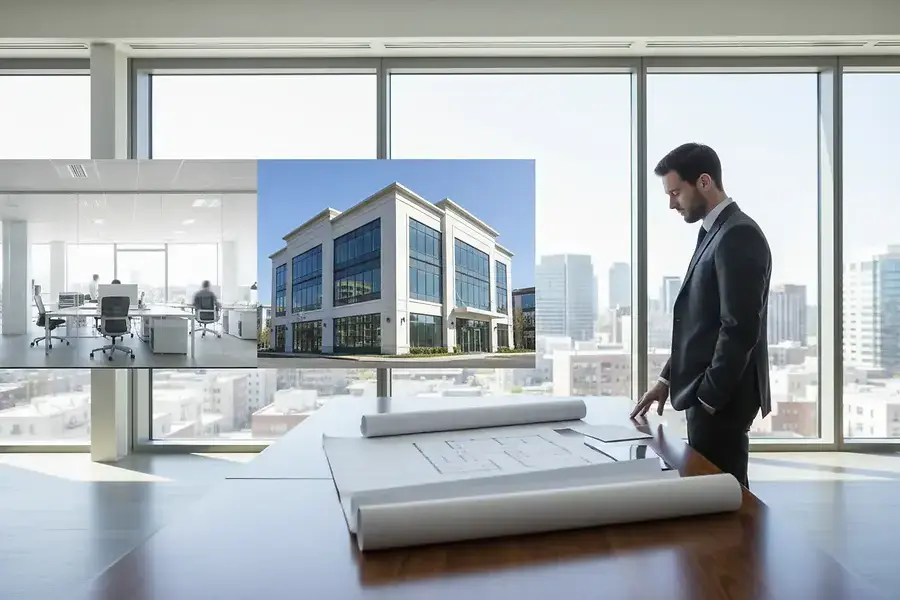
Understanding the Financial Impact: Lease Costs vs. Property Ownership
When evaluating whether to lease or purchase commercial property, the financial implications are often the first consideration for business owners. Each option presents distinct cost structures that can significantly impact your bottom line.
Leasing Advantages and Costs
Leasing a commercial space offers predictable monthly expenses and minimal upfront capital requirements. Your lease payments typically include maintenance, property taxes, and insurance—costs that are already factored into your rent. This arrangement allows you to preserve cash flow for other business operations and growth initiatives.
- Lower initial investment and reduced capital requirements
- Flexibility to relocate as your business needs change
- Landlord responsibility for major repairs and maintenance
- Easier to scale up or down based on business growth
However, leasing means you're building equity for your landlord, not yourself. Over time, rent increases can erode your profit margins, and you have no ownership stake in the property.
Buying Advantages and Costs
Purchasing commercial property requires significant upfront capital but offers long-term wealth building and stability. As a property owner, you build equity with each mortgage payment and benefit from potential property appreciation.
- Build equity and ownership stake in a valuable asset
- Potential property appreciation over time
- Stable, predictable mortgage payments (with fixed-rate loans)
- Freedom to customize and modify your space
- Potential rental income if you lease portions of the property
The trade-off includes higher upfront costs, ongoing maintenance responsibilities, property taxes, and insurance expenses that you must manage directly.
Market Conditions in Wendell and Wilmington: What Buyers and Lessees Should Know
The commercial real estate markets in Wendell and Wilmington present unique opportunities and challenges for business owners considering either option.
Current Market Dynamics
Both communities have experienced steady economic growth, attracting new businesses and increasing demand for commercial space. Wendell's market has seen moderate appreciation in property values, making it an attractive option for long-term investors. Wilmington's market offers more diverse commercial options, from downtown revitalization projects to suburban office parks.
Lease rates in both areas remain competitive, with landlords offering various incentives to attract tenants. Property purchase prices reflect the growing demand, but financing options remain accessible for qualified buyers.
Location-Specific Considerations
When evaluating properties in these markets, consider:
- Proximity to your target customer base and transportation corridors
- Local zoning regulations and development plans
- Availability of skilled workforce and business support services
- Future growth potential in specific neighborhoods or districts
- Competition from other businesses in your industry
Both Wendell and Wilmington offer strong fundamentals for business growth, but your specific industry and customer base should guide your location decision.
Tax Implications and Long-Term Business Planning Considerations
Tax considerations can significantly influence your lease versus buy decision and deserve careful attention.
Lease Tax Benefits
Lease payments are fully deductible as a business expense, reducing your taxable income dollar-for-dollar. This immediate tax benefit can be particularly valuable for new businesses or those with tight cash flow situations.
Ownership Tax Advantages
Property ownership offers multiple tax benefits that accumulate over time:
- Mortgage interest deduction: Interest paid on your commercial mortgage is tax-deductible
- Depreciation deduction: You can deduct the building's depreciation over 39 years
- Property tax deduction: Local property taxes are fully deductible
- Capital gains treatment: Potential long-term capital gains rates when you eventually sell
- 1031 Exchange: Ability to defer capital gains taxes by exchanging into another property
Long-Term Planning
Consider your business's five, ten, and twenty-year outlook. If you anticipate rapid growth or frequent relocations, leasing provides flexibility. If you're planning to establish a permanent location and build long-term wealth, ownership may align better with your goals.
Pro Tip: Consult with a tax professional and commercial real estate advisor to model both scenarios specific to your business situation. The numbers often reveal a clear winner for your circumstances.
Making Your Decision: Key Factors for Your Specific Business Needs
The right choice between leasing and buying depends on multiple factors unique to your business.
Evaluate These Critical Questions
- How stable is your business? Established businesses with predictable revenue may be better positioned for ownership.
- What's your available capital? Do you have sufficient funds for a down payment and closing costs?
- How long do you plan to occupy the space? Generally, ownership makes sense if you'll stay 5+ years.
- Do you need flexibility? Rapid growth or changing needs favor leasing.
- What's your risk tolerance? Property ownership carries market and maintenance risks.
- Are you interested in real estate investing? Ownership offers additional investment benefits.
The Hybrid Approach
Some business owners find success with a hybrid strategy: leasing their primary operating space while purchasing investment properties. This approach provides operational flexibility while building long-term wealth through real estate appreciation.
Next Steps
Whether you're leaning toward leasing or buying, take these actions:
- Analyze your business's financial projections for the next 5-10 years
- Get pre-qualified for a mortgage if considering purchase
- Research available properties and lease rates in your target areas
- Consult with a commercial real estate broker familiar with Wendell and Wilmington markets
- Review tax implications with your accountant
- Negotiate terms aggressively—whether leasing or buying
The decision between leasing and buying your commercial space is one of the most important choices you'll make as a business owner. By carefully evaluating your financial situation, market conditions, tax implications, and long-term business goals, you can make a decision that positions your business for success and profitability for years to come.


