Commercial Property Investment Guide for Cranberry and Middlesex PA
Learn the essential steps to evaluate, negotiate, and secure the right commercial property in Cranberry Township and Middlesex.

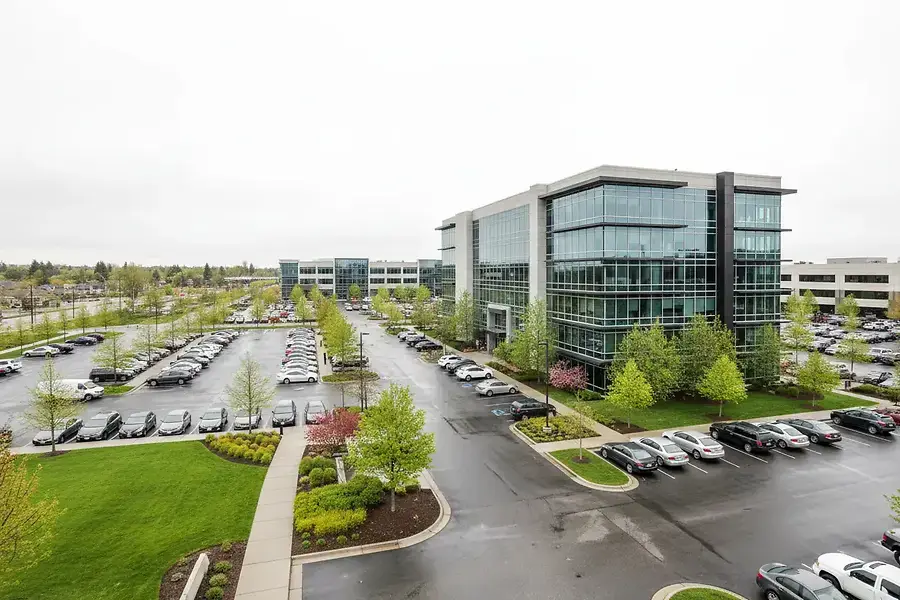
Introduction: The Growing Commercial Market in Cranberry and Middlesex
Cranberry Township and Middlesex represent some of the most dynamic commercial real estate markets in Pennsylvania. With steady economic growth, strategic location advantages, and increasing business activity, these areas have become attractive destinations for commercial property investors. Whether you're a seasoned investor or entering the commercial real estate market for the first time, understanding the landscape is crucial to making informed decisions.
The commercial sectors in these communities continue to expand, offering opportunities across retail, office, industrial, and mixed-use properties. Success in this market requires more than just capital—it demands knowledge, strategy, and careful planning. This guide will walk you through the essential steps to evaluate, negotiate, and secure the right commercial property for your investment goals.
Key Factors to Evaluate Before Purchasing Commercial Property
Location and Market Analysis
Location remains the cornerstone of commercial real estate success. Before committing to any property, conduct a thorough analysis of the neighborhood's economic indicators, demographic trends, and growth projections. Consider proximity to major highways, public transportation, and complementary businesses. In Cranberry and Middlesex, understanding traffic patterns and accessibility is essential for retail and service-based properties.
Research the local market conditions, including vacancy rates, rental trends, and comparable property values. This data will help you determine whether a property is priced competitively and whether the area supports your intended business use.
Property Condition and Physical Assessment
Never skip a professional inspection. Hire a qualified commercial property inspector to evaluate the building's structural integrity, mechanical systems, roof condition, and potential environmental concerns. Hidden issues can quickly erode your profit margins and create unexpected liabilities.
- Structural elements: Foundation, walls, and load-bearing components
- Building systems: HVAC, electrical, plumbing, and fire suppression
- Environmental factors: Soil contamination, asbestos, and hazardous materials
- Accessibility compliance: ADA requirements and building code adherence
Financial Metrics and Return on Investment
Evaluate the property's financial potential using key metrics such as Cap Rate (capitalization rate), Cash-on-Cash Return, and Internal Rate of Return (IRR). These calculations help you understand the property's income-generating potential relative to your investment.
Analyze current and potential rental income, operating expenses, property taxes, insurance, and maintenance costs. A property may appear attractive at first glance, but detailed financial analysis often reveals whether it truly aligns with your investment objectives.
Zoning and Legal Considerations
Verify that the property's current use and your intended use comply with local zoning regulations. Contact the Cranberry Township or Middlesex zoning office to confirm zoning classifications, permitted uses, and any restrictions that might affect your business operations. Understanding easements, deed restrictions, and environmental regulations is equally important.
Negotiation Tactics and Financing Options for Business Properties
Effective Negotiation Strategies
Successful negotiations begin with thorough preparation. Know the property's market value, recent comparable sales, and the seller's motivation. This information gives you leverage and helps you make realistic offers.
- Start with research: Understand the seller's timeline and financial situation
- Make strategic offers: Begin below asking price but remain reasonable to keep negotiations open
- Focus on terms: Negotiate closing timelines, contingencies, and seller concessions
- Use contingencies wisely: Include inspection, appraisal, and financing contingencies to protect your interests
- Consider creative solutions: Explore lease-to-own options or seller financing if traditional methods stall
Remember that price is just one element of the deal. Favorable terms, reduced closing costs, or seller-provided financing can significantly impact your overall return on investment.
Financing Options for Commercial Properties
Commercial property financing differs substantially from residential mortgages. Lenders evaluate commercial properties based on income potential, property condition, and your creditworthiness. Here are common financing options:
- Traditional Bank Loans: Typically require 20-30% down payment and offer competitive rates for well-qualified borrowers
- SBA Loans: Small Business Administration loans provide favorable terms for business owners with limited capital
- Portfolio Lenders: Community banks and credit unions that hold loans in-house often have more flexible underwriting criteria
- Hard Money Lenders: Private lenders offering quick funding for investors willing to pay higher interest rates
- Seller Financing: Negotiating with the seller to finance part of the purchase can reduce upfront capital requirements
Work with a commercial mortgage broker familiar with the Cranberry and Middlesex markets. They can connect you with lenders offering terms suited to your specific situation and help you navigate the application process.
Due Diligence and Risk Management
Before finalizing any purchase, conduct comprehensive due diligence. Review tenant leases, operating history, and financial statements. Verify that current tenants are creditworthy and that leases contain favorable renewal terms. Understand your liability exposure and ensure adequate insurance coverage.
Consider hiring a commercial real estate attorney to review contracts and protect your legal interests. The cost of professional guidance is minimal compared to the potential savings and protection it provides.
Conclusion: Making Your Commercial Investment Decision with Confidence
Investing in commercial property in Cranberry and Middlesex requires careful analysis, strategic planning, and professional guidance. By thoroughly evaluating locations, understanding financial metrics, and mastering negotiation tactics, you position yourself for success in this growing market.
Remember that every investment carries risk, but informed decisions significantly improve your odds of achieving your financial goals. Take time to educate yourself, assemble a team of qualified professionals—including real estate agents, inspectors, accountants, and attorneys—and approach each opportunity with both enthusiasm and caution.
The commercial real estate market in Cranberry and Middlesex offers genuine opportunities for investors willing to do their homework. With the right property, proper financing, and sound business strategy, your commercial real estate investment can generate substantial returns and build long-term wealth.


