Commercial Property Investment Guide for Florida's Mid-Market Towns
Discover profitable commercial real estate opportunities in emerging Florida communities from Ocala to Boca Raton.

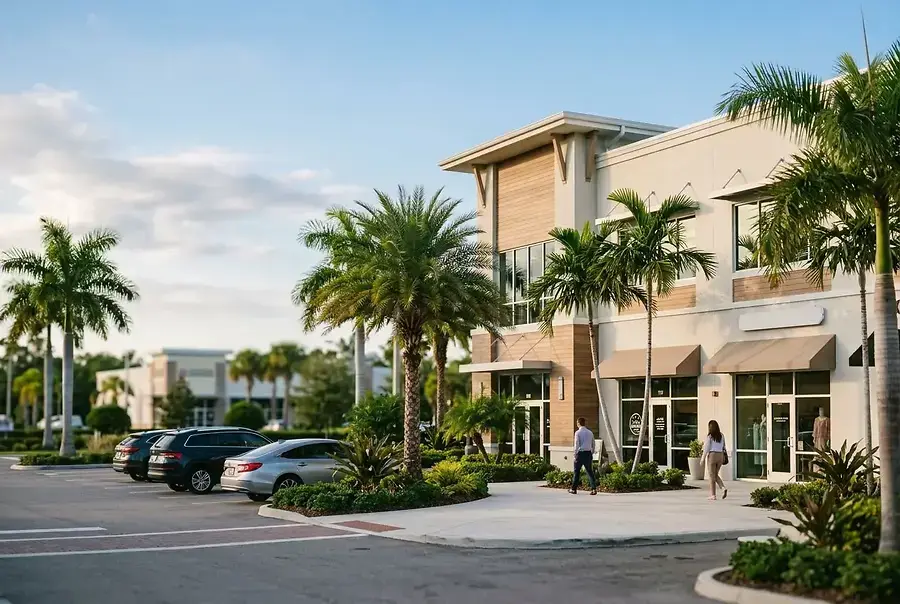
Understanding the Commercial Real Estate Landscape in Mid-Market Florida Communities
Florida's mid-market towns represent a compelling frontier for commercial real estate investors seeking alternatives to saturated major metropolitan markets. Communities ranging from Ocala to Boca Raton offer unique advantages that distinguish them from both large urban centers and rural areas. These emerging markets are experiencing steady population growth, increased business development, and improving infrastructure that create fertile ground for commercial investment.
The mid-market segment in Florida is characterized by towns with populations between 50,000 and 250,000 residents, featuring diverse economic bases and growing commercial corridors. Unlike Miami or Tampa, these communities often present lower entry costs, less competition, and higher potential for appreciation. Investors who understand the nuances of these markets can position themselves ahead of larger institutional players who typically focus on established metropolitan areas.
Market Dynamics and Growth Drivers
Several factors are driving commercial real estate growth in Florida's mid-market towns. Population migration from northern states continues to fuel demand for retail, office, and industrial spaces. Additionally, remote work trends have decentralized business operations, allowing companies to establish satellite offices in secondary markets with lower overhead costs. Local government initiatives promoting business development and tax incentives further accelerate commercial growth in these communities.
Evaluating Investment Potential: Location Analysis and Market Indicators
Successful commercial real estate investment begins with thorough location analysis. Investors must examine multiple factors to determine whether a property or market presents genuine opportunity or hidden risk.
Key Location Factors
- Accessibility and Transportation: Proximity to major highways, public transit, and airport access significantly impacts property value and tenant attraction
- Demographic Trends: Analyze population growth rates, income levels, education, and age distribution to understand market demand
- Commercial Corridor Development: Identify areas experiencing infrastructure improvements and new business establishment
- Zoning and Land Use: Understand local zoning regulations and future development plans that may affect property values
- Competition Analysis: Evaluate existing commercial properties and vacancy rates in target areas
Market Indicators to Monitor
Successful investors track specific metrics that reveal market health and investment viability. Absorption rates—the speed at which available commercial space is leased—indicate market strength. Cap rates (capitalization rates) show the relationship between property income and value, with lower rates suggesting higher prices and potentially lower returns. Rental rate trends demonstrate whether the market supports increasing lease prices, directly affecting investment profitability.
Additionally, monitor employment growth in target communities, as job creation drives demand for commercial space. Review commercial construction activity to gauge investor confidence and market momentum. Finally, examine property tax assessments and local government fiscal health, as these factors influence long-term investment stability.
Financing and Acquisition Strategies for Commercial Properties
Securing appropriate financing is crucial for commercial real estate success. Mid-market properties often present different financing challenges and opportunities compared to major metropolitan assets.
Financing Options
Traditional bank loans remain the most common financing method, typically requiring 20-30% down payments and offering terms of 5-20 years. SBA loans (Small Business Administration) provide favorable terms for smaller commercial properties and owner-occupied buildings. Commercial mortgage-backed securities (CMBS) offer alternative funding for larger acquisitions, while private lending and hard money loans provide flexibility for investors with non-traditional credit profiles or tight timelines.
Acquisition Best Practices
Begin with comprehensive due diligence, including property inspections, environmental assessments, and title reviews. Engage qualified commercial real estate brokers familiar with mid-market communities to identify off-market deals and negotiate favorable terms. Conduct tenant analysis for occupied properties, reviewing lease agreements, tenant creditworthiness, and lease expiration dates.
Build relationships with local lenders who understand regional markets and may offer more flexible terms than national institutions. Negotiate earnestly money deposits and inspection periods to protect your investment while gathering critical information. Consider 1031 exchanges if you're transitioning from other real estate investments, allowing tax-deferred portfolio repositioning.
Maximizing Returns: Management and Exit Strategies for Florida Commercial Real Estate
Acquisition is merely the beginning; property management and strategic exit planning determine ultimate investment success.
Active Property Management
Successful commercial property owners maintain tenant relationships through responsive communication and property maintenance. Implement proactive lease renewal strategies to minimize vacancy periods and maintain stable income. Monitor operating expenses carefully, seeking opportunities to reduce costs without compromising property quality or tenant satisfaction.
Consider value-add strategies such as property improvements, amenity upgrades, or repositioning to higher-value uses. These enhancements can justify rent increases and attract premium tenants, significantly boosting property value and returns.
Exit Strategies and Timeline Planning
Develop clear exit strategies before acquiring properties. Hold periods typically range from 5-10 years, allowing time for property appreciation and mortgage principal reduction. Sale timing should align with market conditions and personal investment objectives—selling during market peaks maximizes returns, while strategic holds during downturns can position you for future appreciation.
1031 exchanges enable reinvestment of sale proceeds into larger or better-positioned properties without immediate tax consequences. Refinancing opportunities allow you to extract equity while maintaining ownership, funding additional investments or personal objectives.
Risk Management Considerations
Protect investments through adequate insurance coverage, including property, liability, and loss of rent protection. Maintain financial reserves for unexpected repairs or vacancy periods. Diversify across multiple properties and market segments to reduce concentration risk. Stay informed about regulatory changes and economic trends that may impact your investments.
Florida's mid-market towns offer sophisticated investors genuine opportunities to build profitable commercial real estate portfolios. By understanding local markets, executing disciplined acquisition strategies, and implementing active management practices, investors can achieve superior returns while contributing to community development. Success requires patience, research, and a long-term perspective—but the rewards justify the effort.


