Commercial Property Investment Guide for Greater Pittsburgh Area
Discover profitable residential and commercial real estate opportunities across 22 thriving Pittsburgh-area communities.

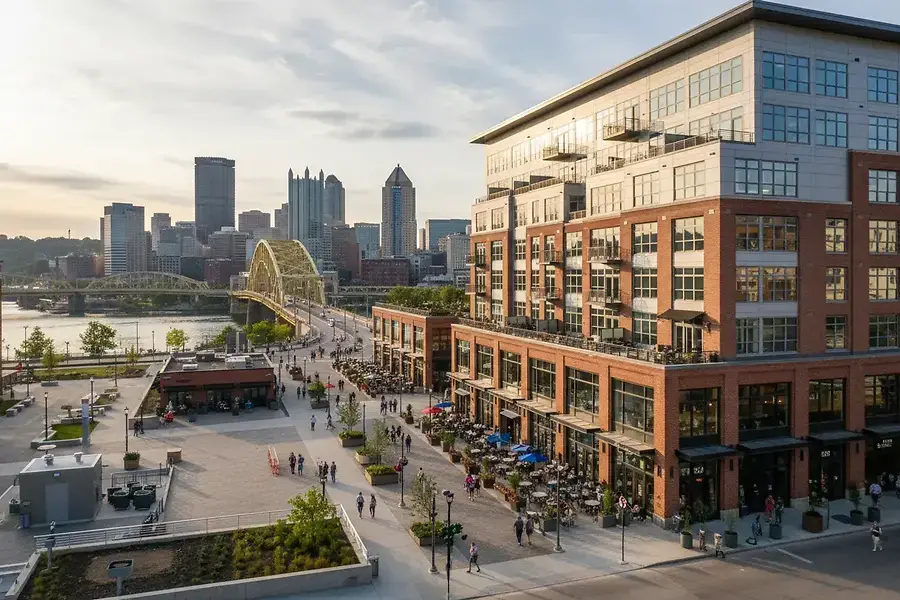
Why Greater Pittsburgh Markets Are Attracting Smart Investors
The Greater Pittsburgh area has emerged as one of the most compelling real estate investment destinations in the United States. With a diverse economy anchored by healthcare, technology, education, and advanced manufacturing, the region offers stability and growth potential that attracts savvy investors from across the country.
Pittsburgh's transformation from a steel-based economy to a knowledge-driven hub has created unprecedented opportunities. The presence of world-class universities, major medical centers, and innovative tech companies has fueled demand for both commercial and residential properties. Unlike many overheated markets, Greater Pittsburgh still offers attractive entry points with strong rental yields and appreciation potential.
Key factors driving investment interest include:
- Affordable property prices compared to national averages
- Strong job growth in healthcare, technology, and professional services
- Excellent quality of life and neighborhood diversity
- Robust rental demand from young professionals and families
- Expanding infrastructure and development projects
Identifying High-Growth Commercial Corridors in Pittsburgh's Surrounding Communities
Strategic Commercial Zones
The Greater Pittsburgh region encompasses 22 distinct communities, each with unique commercial characteristics and investment potential. Success in commercial real estate requires understanding which corridors are positioned for growth.
Prime commercial corridors include:
- Tech-Forward Districts: Areas near universities and research centers are experiencing rapid commercial development, with demand for office space, retail, and mixed-use properties.
- Healthcare Hubs: Communities surrounding major medical institutions offer consistent demand for medical offices, urgent care facilities, and wellness-related retail.
- Suburban Business Parks: Established business parks continue to attract corporate tenants seeking modern facilities with competitive lease rates.
- Revitalized Downtown Corridors: Historic neighborhoods undergoing renaissance attract boutique retailers, restaurants, and creative businesses.
Market Analysis and Due Diligence
Before committing capital to commercial properties, conduct thorough market analysis. Examine tenant stability, occupancy rates, and lease renewal trends. Properties with long-term, creditworthy tenants provide more predictable returns than those with high turnover.
Smart investors focus on fundamentals: location, tenant quality, and cash flow potential. These factors matter more than speculative appreciation.
Research demographic trends in each community. Growing populations with rising household incomes indicate stronger demand for commercial services. Additionally, evaluate local zoning regulations and development plans to identify emerging opportunities before they become obvious to the broader market.
Residential Investment Strategies Across Diverse Pittsburgh Neighborhoods
Single-Family Rental Opportunities
Single-family homes remain a cornerstone of residential investment across Greater Pittsburgh. The region's diverse neighborhoods offer properties at various price points, allowing investors to build portfolios tailored to their capital and risk tolerance.
Focus on neighborhoods with strong fundamentals: good schools, low crime rates, and proximity to employment centers. These areas attract quality tenants willing to pay premium rents. Properties in neighborhoods experiencing revitalization often offer the best value, as appreciation potential combines with current cash flow.
Multi-Family and Apartment Investments
Multi-family properties provide economies of scale and diversified income streams. Duplexes, triplexes, and small apartment buildings are particularly attractive in Pittsburgh's market, where construction costs remain reasonable and rental demand is strong.
Young professionals relocating to Pittsburgh for healthcare and technology careers create consistent demand for rental apartments. Properties near universities and major employers command premium rents and maintain high occupancy rates. Consider properties that can be improved through renovations, as value-add strategies generate superior returns.
Emerging Neighborhood Strategies
Some of Pittsburgh's most exciting opportunities exist in neighborhoods undergoing transformation. Areas with improving walkability, new restaurants, and cultural amenities attract younger demographics and drive property appreciation.
- Monitor neighborhood development plans and infrastructure investments
- Identify areas with rising foot traffic and new business openings
- Consider properties that benefit from nearby institutional investments
- Evaluate long-term demographic trends, not just current conditions
Financing and Investment Structure
Greater Pittsburgh's affordable property prices allow investors to build wealth through leverage. With reasonable down payments, investors can acquire multiple properties and benefit from rental income and appreciation. Work with lenders familiar with the local market who understand the region's investment potential.
Consider various investment structures: traditional mortgages, portfolio loans, and partnerships. Each approach offers different advantages depending on your investment timeline and capital availability. Tax-advantaged strategies, such as 1031 exchanges, can accelerate portfolio growth.
Positioning Yourself for Success in Pittsburgh's Real Estate Market
Success in Greater Pittsburgh real estate requires a strategic approach combining market knowledge, financial discipline, and long-term vision.
Essential steps for prospective investors:
- Build Local Expertise: Develop relationships with local real estate professionals, property managers, and other investors who understand community-specific dynamics.
- Conduct Thorough Due Diligence: Analyze property financials, market conditions, and growth prospects before making offers.
- Focus on Cash Flow: Prioritize properties that generate positive cash flow, reducing reliance on appreciation alone.
- Diversify Across Communities: Spread investments across different neighborhoods and property types to reduce risk.
- Plan for the Long Term: Real estate wealth builds over time through consistent acquisition and management of quality properties.
The Greater Pittsburgh area offers intelligent investors a rare combination of affordability, stability, and growth potential. With 22 thriving communities providing diverse opportunities, investors can build substantial wealth through residential and commercial real estate. By understanding local market dynamics, conducting thorough analysis, and maintaining disciplined investment practices, you can position yourself for sustained success in this dynamic market.
The time to invest in Greater Pittsburgh is now, before these opportunities become widely recognized and prices adjust accordingly.