Commercial Property Investment Guide for Houston's Southwest Suburbs
A practical guide to evaluating investment opportunities in Sugar Land, Katy, Rosenberg, and Richmond for savvy real estate investors.

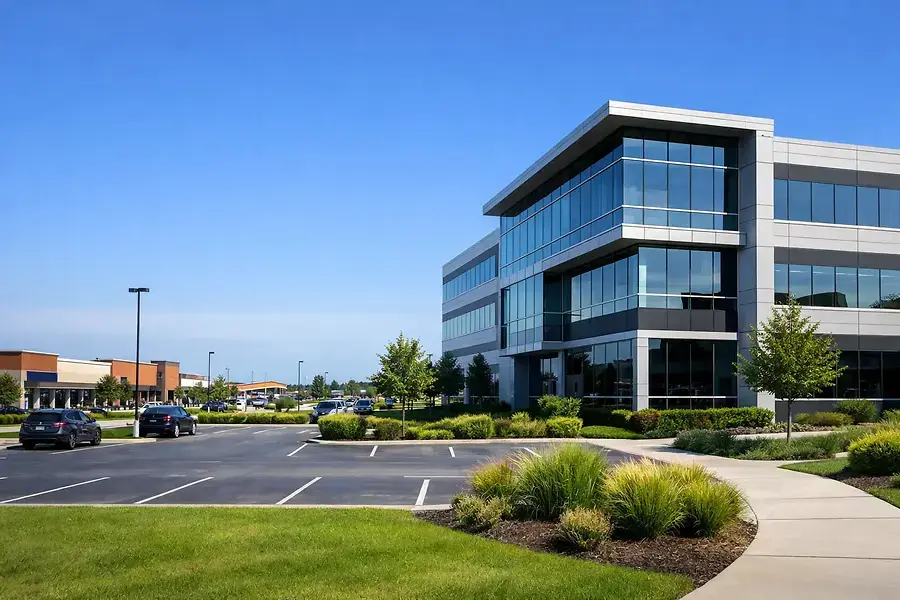
Understanding the Southwest Houston Commercial Market Landscape
Houston's southwest suburbs have emerged as one of the most dynamic commercial real estate markets in Texas. Cities like Sugar Land, Katy, Rosenberg, and Richmond are experiencing unprecedented growth, driven by population expansion, corporate relocations, and infrastructure development. These areas offer investors a compelling combination of established communities and emerging opportunities that rival traditional downtown markets.
The region's economic foundation is remarkably diverse. Major employers span healthcare, technology, manufacturing, and retail sectors, providing stability and reducing dependence on any single industry. Sugar Land, in particular, has become a hub for corporate headquarters and regional offices, while Katy continues to attract retail and mixed-use developments. This diversification creates multiple investment pathways for commercial property buyers.
Market Growth Drivers
Several factors are propelling commercial growth in these southwest suburbs:
- Population Growth: The region is experiencing consistent population increases, with families and young professionals relocating for quality of life and job opportunities.
- Infrastructure Development: Ongoing highway expansions, toll road improvements, and public transportation initiatives are enhancing accessibility and connectivity.
- Corporate Expansion: Major corporations are establishing offices and distribution centers, creating demand for commercial real estate.
- Retail and Entertainment: New shopping centers, restaurants, and entertainment venues are continuously being developed to serve growing populations.
Competitive Advantages Over Central Houston
Compared to downtown Houston, southwest suburban commercial properties often offer lower acquisition costs, higher cap rates, and less competition among investors. Additionally, these areas typically feature newer construction, modern amenities, and better-maintained properties. The suburban setting also appeals to businesses seeking lower operational costs and easier employee recruitment.
Key Factors for Evaluating Commercial Properties in This Region
Location and Accessibility
Location remains paramount in commercial real estate. Evaluate proximity to major highways, particularly Interstate 10, US-59, and the Grand Parkway. Properties near major intersections and with high visibility typically command premium rents. Consider foot traffic patterns, parking availability, and ease of access for both customers and employees.
Tenant Quality and Lease Terms
When evaluating income-producing properties, scrutinize tenant creditworthiness and lease stability. National tenants with strong credit ratings provide more predictable income streams than local businesses. Review lease terms carefully—longer leases with built-in rent escalations offer better long-term returns. Examine tenant mix in multi-tenant properties to ensure diversification and reduce vacancy risk.
Property Condition and Age
Newer properties typically require less maintenance and capital expenditure. However, well-maintained older properties can offer excellent value. Conduct thorough inspections covering structural integrity, HVAC systems, roofing, electrical systems, and plumbing. Factor in deferred maintenance costs when calculating your investment returns.
Market Rent Analysis
Research comparable properties in the area to understand current market rents. Compare rental rates per square foot, considering property type, condition, and location. Understanding market rates helps you identify undervalued properties and forecast rental growth potential. Local commercial real estate brokers can provide valuable market data and trends.
Future Development Plans
Investigate city planning documents and development pipelines. Upcoming infrastructure projects, zoning changes, or new commercial developments can significantly impact property values. Properties positioned to benefit from future growth often appreciate faster than the broader market.
Navigating Financing and Investment Returns
Financing Options for Commercial Properties
Commercial property financing differs significantly from residential mortgages. Most lenders require 20-30% down payments and conduct rigorous underwriting. Common financing sources include:
- Traditional banks and credit unions
- Commercial mortgage brokers
- SBA loans for small business owners
- Private lenders and investment groups
- Portfolio lenders specializing in commercial real estate
Building relationships with local lenders familiar with the southwest Houston market can provide competitive rates and faster closing timelines.
Understanding Key Investment Metrics
Cap Rate (Capitalization Rate): This fundamental metric divides net operating income by property value. Southwest Houston commercial properties typically offer cap rates of 5-8%, depending on property type and location. Higher cap rates may indicate greater risk or undervaluation.
Cash-on-Cash Return: This measures annual cash flow against your initial investment. For example, a $100,000 investment generating $8,000 annual cash flow yields an 8% cash-on-cash return. This metric helps evaluate immediate profitability.
Internal Rate of Return (IRR): This comprehensive metric accounts for all cash flows over the investment period, including appreciation and sale proceeds. IRR provides a complete picture of investment performance.
Projecting Returns
Conservative investors should project 3-5% annual rent growth based on historical market trends. Factor in operating expenses, property taxes, insurance, and maintenance when calculating net operating income. Always maintain a reserve fund for unexpected repairs or vacancies. Remember that past performance doesn't guarantee future results, so build in contingency margins when modeling returns.
Making Your Move: Next Steps for Commercial Property Buyers
Assemble Your Team
Successful commercial property investment requires expert guidance. Build a team including:
- A commercial real estate broker with southwest Houston expertise
- A commercial real estate attorney
- A CPA familiar with real estate tax strategies
- A commercial property inspector
- A commercial lender or mortgage broker
Develop Your Investment Criteria
Before beginning your search, establish clear investment criteria. Determine your target property types (office, retail, industrial, mixed-use), desired location, budget, and return requirements. This focused approach saves time and keeps you aligned with your investment goals.
Conduct Due Diligence
Once you identify a promising property, conduct comprehensive due diligence. This includes property inspections, environmental assessments, title reviews, tenant interviews, and financial analysis. Don't rush this process—thorough investigation prevents costly mistakes.
Negotiate Strategically
Use market data and inspection findings to negotiate favorable terms. Commercial real estate transactions offer more flexibility than residential deals. Consider negotiating seller financing, extended closing periods, or tenant concessions to improve your investment position.
Plan for Long-Term Success
Develop a management strategy before closing. Will you self-manage or hire a professional property manager? How will you handle tenant relations and maintenance? Strong management directly impacts profitability and property appreciation.
The southwest Houston commercial market presents compelling opportunities for investors willing to conduct thorough research and build strong professional relationships. Success requires understanding local market dynamics, evaluating properties systematically, and maintaining a long-term perspective.
Commercial property investment in Houston's southwest suburbs can generate substantial returns while contributing to community development. By following this guide and working with experienced professionals, you'll be well-positioned to identify and capitalize on the best opportunities in this thriving market.


