Commercial Property Investment Opportunities Across West Texas
Discover high-potential commercial real estate deals in Lubbock, Plainview, Lamesa, and surrounding communities.

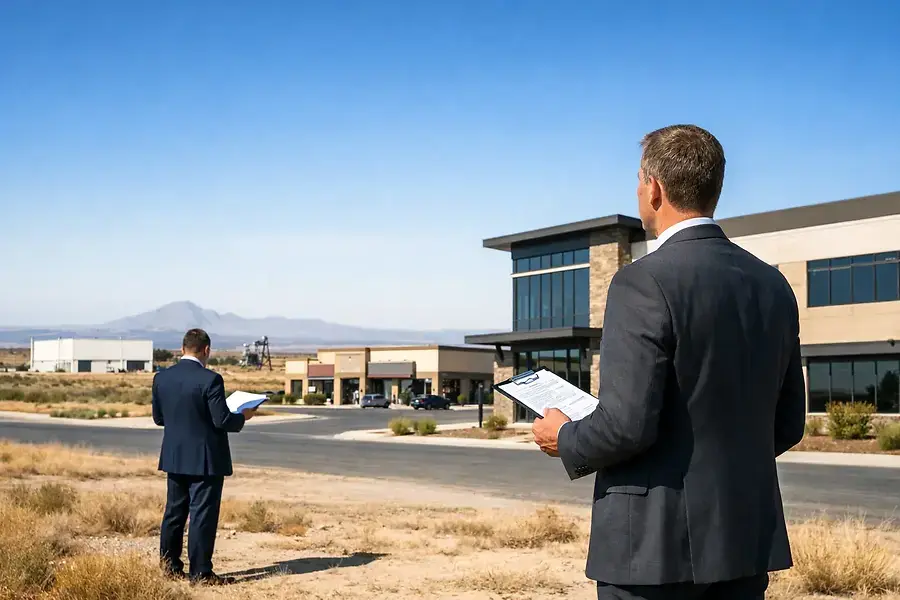
Understanding the West Texas Commercial Real Estate Landscape
West Texas represents a compelling frontier for commercial real estate investors seeking growth opportunities and solid returns. The region, encompassing cities like Lubbock, Plainview, Lamesa, and surrounding communities, has experienced steady economic development driven by diverse industries including agriculture, energy, healthcare, and education.
The commercial real estate market in West Texas differs significantly from coastal metropolitan areas. Lower property acquisition costs, reduced competition, and emerging market dynamics create unique advantages for savvy investors. The region's population growth, coupled with infrastructure improvements and business-friendly policies, continues to attract entrepreneurs and corporations seeking affordable operational bases.
Market Dynamics and Growth Drivers
Several factors position West Texas as an attractive investment destination:
- Agricultural Hub: The region's agricultural sector remains robust, supporting related commercial enterprises and supply chain businesses.
- Energy Sector: Oil and gas operations continue to fuel economic activity and create demand for specialized commercial spaces.
- Healthcare Expansion: Growing healthcare facilities and medical services create opportunities for medical office buildings and wellness centers.
- Educational Institutions: Universities and colleges drive demand for student housing, retail, and service-oriented commercial properties.
- Retail and Hospitality: Increasing consumer spending and tourism support retail centers, restaurants, and hotel developments.
Evaluating Commercial Properties: Key Metrics and Market Indicators
Successful commercial property investment requires thorough analysis and understanding of critical performance metrics. Before committing capital, investors must evaluate properties using proven methodologies and industry standards.
Essential Valuation Metrics
Cap Rate (Capitalization Rate) represents one of the most important metrics for commercial property evaluation. This percentage reflects the property's annual net operating income divided by its purchase price. West Texas properties often feature attractive cap rates compared to national averages, providing stronger income potential for investors.
Cash-on-Cash Return measures the actual cash income generated relative to the cash invested. This metric helps investors understand their real annual returns and compare opportunities effectively. Debt Service Coverage Ratio (DSCR) indicates whether rental income sufficiently covers mortgage payments, typically requiring a minimum of 1.25 for lender approval.
Market Indicators to Monitor
Understanding local market conditions is essential for informed decision-making:
- Vacancy Rates: Lower vacancy rates indicate strong demand and pricing power. Monitor trends in specific property types and neighborhoods.
- Rental Rate Growth: Analyze historical and projected rental rate increases to forecast income potential.
- Population Trends: Growing populations support increased commercial demand and property appreciation.
- Employment Data: Job growth in key industries indicates economic health and tenant stability.
- Development Activity: New construction and infrastructure projects signal market confidence and future growth.
Smart investors recognize that West Texas properties often provide better value propositions than saturated coastal markets, with lower entry costs and comparable growth potential.
Financing and Investment Strategies for Commercial Properties
Securing appropriate financing and developing sound investment strategies are crucial for maximizing returns and managing risk in commercial real estate.
Financing Options for Commercial Properties
Commercial property financing differs from residential mortgages. Traditional bank loans typically require 20-30% down payments and feature terms of 5-20 years. SBA loans offer favorable terms for small business owners and investors, while portfolio lenders provide flexibility for investors with unique property types or situations.
Alternative financing sources include private money lenders, real estate investment partnerships, and crowdfunding platforms. Each option carries different terms, rates, and requirements. Investors should compare options carefully and work with experienced commercial lenders familiar with West Texas market conditions.
Investment Strategy Approaches
Buy and Hold Strategy: Acquire properties with strong fundamentals and hold for long-term appreciation and steady rental income. This approach suits investors seeking passive income and portfolio diversification.
Value-Add Strategy: Purchase underperforming properties, implement improvements, and increase rents or occupancy rates. This strategy requires active management but offers higher return potential through operational improvements and property appreciation.
Development Strategy: Identify land or underutilized properties with development potential. This approach requires significant capital, expertise, and risk tolerance but can generate substantial returns.
Diversification Approach: Spread investments across multiple property types (office, retail, industrial, multifamily) and locations within West Texas to reduce risk and capture various market opportunities.
Risk Management Considerations
Successful investors implement comprehensive risk management strategies. Conduct thorough due diligence including property inspections, environmental assessments, and tenant credit checks. Maintain adequate reserves for unexpected expenses, vacancy periods, and market downturns. Consider insurance coverage appropriate for your property type and investment strategy.
Taking Action: Your Next Steps in West Texas Commercial Real Estate
Moving from research to action requires a structured approach and professional guidance. Begin by clearly defining your investment goals, risk tolerance, and capital availability. Determine which property types and geographic areas align with your objectives.
Building Your Investment Team
Successful commercial real estate investing requires expert guidance. Commercial real estate brokers provide market knowledge and deal access. Commercial lenders help structure financing. Property managers handle day-to-day operations. CPAs and tax advisors optimize tax strategies. Real estate attorneys ensure proper documentation and legal protection.
Conducting Due Diligence
Before making offers, thoroughly evaluate potential investments:
- Review financial statements and tenant leases for existing properties
- Conduct property inspections and environmental assessments
- Analyze comparable sales and rental rates in the market
- Verify zoning compliance and development potential
- Assess tenant quality and lease terms
- Evaluate local market trends and economic indicators
Making Your Move
Once you've identified promising opportunities, work with your team to structure offers and negotiate terms. Start small if you're new to commercial investing, allowing you to build experience and capital for larger deals. Network actively with local investors, brokers, and business leaders to access off-market opportunities and gain market insights.
West Texas commercial real estate offers genuine opportunities for investors willing to conduct thorough research and take calculated action. The region's affordable entry costs, growing economy, and diverse industries create a favorable environment for building wealth through commercial property investment. Your success depends on understanding the market, evaluating properties carefully, securing appropriate financing, and executing a well-planned investment strategy.


