Commercial Property Investment Opportunities in Secondary Markets
Discover why mid-sized cities like Appleton, Odessa, and Knoxville offer strong returns for commercial real estate investors seeking growth potential.

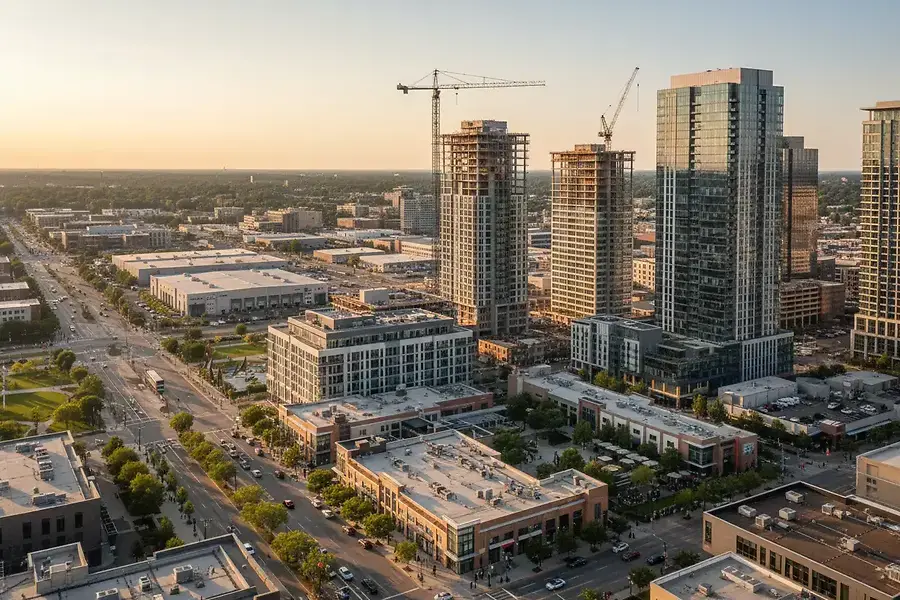
The Rise of Secondary Market Commercial Real Estate
The commercial real estate landscape is undergoing a significant transformation. While major metropolitan areas have traditionally dominated investor attention, a new wave of opportunity is emerging in secondary markets. Cities like Appleton, Odessa, Knoxville, and others are experiencing unprecedented growth, attracting businesses, talent, and capital at remarkable rates.
Secondary markets offer a compelling alternative to saturated primary markets. They provide lower entry costs, higher cap rates, and substantial growth potential. For investors seeking to diversify their portfolios and maximize returns, these emerging markets represent a strategic opportunity that shouldn't be overlooked.
The shift toward secondary markets reflects broader economic trends, including remote work adoption, business relocation incentives, and the search for affordable operational costs. Smart investors are positioning themselves to capitalize on these trends before valuations reach primary market levels.
Why These 7 Markets Attract Smart Commercial Investors
Economic Diversification and Stability
Secondary markets benefit from diverse economic bases that reduce dependency on single industries. This diversification creates resilient investment environments where commercial properties maintain steady demand across economic cycles.
- Growing tech and professional services sectors
- Expanding healthcare and education facilities
- Increasing retail and hospitality development
- Strong manufacturing and logistics hubs
Population Growth and Migration Patterns
These markets are experiencing population influxes as people and businesses seek alternatives to expensive coastal cities. Population growth directly correlates with increased demand for commercial space, driving rental rates and property values upward.
Appleton, Odessa, Robinsonville, Seymour, Peoria, Knoxville, and North Miami Beach are all experiencing net migration gains, with young professionals and families relocating for quality of life and economic opportunity.
Favorable Business Environment
These secondary markets offer competitive tax incentives, lower operating costs, and business-friendly policies. Companies relocating from primary markets find significant cost savings, which translates to stronger commercial real estate fundamentals and tenant stability.
Development Momentum and Infrastructure Investment
Secondary markets are investing heavily in infrastructure, transportation, and public amenities. New highways, public transit improvements, and downtown revitalization projects enhance property values and attract quality tenants.
Lower Competition and Better Pricing
With fewer institutional investors competing in secondary markets, individual and smaller investment groups can negotiate better terms and acquire quality properties at reasonable valuations. This creates opportunities for superior risk-adjusted returns.
Key Metrics and Growth Indicators Across Appleton, Odessa, Robinsonville, Seymour, Peoria, Knoxville, and North Miami Beach
Appleton Market Overview
Appleton demonstrates strong fundamentals with consistent population growth and expanding commercial corridors. The market shows healthy office absorption rates and increasing retail development, making it attractive for diversified commercial portfolios.
Odessa Market Overview
Odessa's energy sector foundation is diversifying into technology and professional services. Commercial vacancy rates remain competitive, and new construction activity indicates investor confidence in long-term market viability.
Robinsonville Market Overview
This emerging market offers exceptional value with significant upside potential. Early-stage development and limited institutional competition create opportunities for investors willing to take a longer-term perspective.
Seymour Market Overview
Seymour benefits from strategic location advantages and manufacturing sector strength. Industrial and logistics properties command premium rents, while mixed-use development creates diverse investment opportunities.
Peoria Market Overview
Peoria's stable economy and growing healthcare sector provide steady commercial demand. Medical office and professional services space show strong leasing activity, with limited new supply supporting rate growth.
Knoxville Market Overview
Knoxville represents a mature secondary market with primary market growth characteristics. The city attracts major corporate relocations, supports a thriving startup ecosystem, and offers diverse commercial real estate opportunities across all asset classes.
North Miami Beach Market Overview
North Miami Beach combines secondary market pricing with strong demographic fundamentals and tourism appeal. Retail, hospitality, and mixed-use properties benefit from consistent visitor traffic and local population growth.
Comparative Metrics
Average cap rates in secondary markets range from 5.5% to 7.5%, compared to 3.5% to 5% in primary markets. Population growth rates average 2-3% annually, with some markets exceeding 4%. Commercial vacancy rates typically range from 8-12%, indicating healthy market balance.
Positioning Your Portfolio for Success in Emerging Commercial Markets
Strategic Investment Approach
Success in secondary markets requires thorough market research and strategic property selection. Focus on markets with demonstrated population growth, economic diversification, and infrastructure investment.
Property Type Selection
Consider the following property types for secondary market investment:
- Industrial and Logistics: High demand from e-commerce and supply chain optimization
- Medical Office: Aging population and healthcare expansion drive consistent demand
- Mixed-Use Development: Attracts diverse tenants and supports higher valuations
- Retail: Select properties in high-traffic corridors with strong demographics
Risk Management Considerations
While secondary markets offer attractive returns, prudent risk management remains essential. Diversify across multiple markets and property types, maintain adequate reserves, and work with local market experts who understand nuanced dynamics.
Long-Term Value Creation
Secondary market investments typically perform best with a 5-10 year holding period. This timeframe allows markets to mature, property values to appreciate, and rental rates to increase organically. Patient capital is rewarded in emerging markets.
The commercial real estate landscape is shifting. Secondary markets like Appleton, Odessa, Knoxville, and others represent the next frontier for sophisticated investors. By understanding market fundamentals, selecting quality properties, and maintaining a long-term perspective, investors can position their portfolios for substantial growth and returns.
The opportunity window in secondary markets remains open, but it won't last forever. As more investors recognize these markets' potential, valuations will rise and cap rates will compress. The time to act is now for investors seeking to build wealth through commercial real estate in emerging markets.


