Commercial Property Trends Reshaping the Delaware Valley Real Estate Market
Discover how residential and commercial real estate dynamics are reshaping investment opportunities throughout Wilmington, Philadelphia, and surrounding communities.

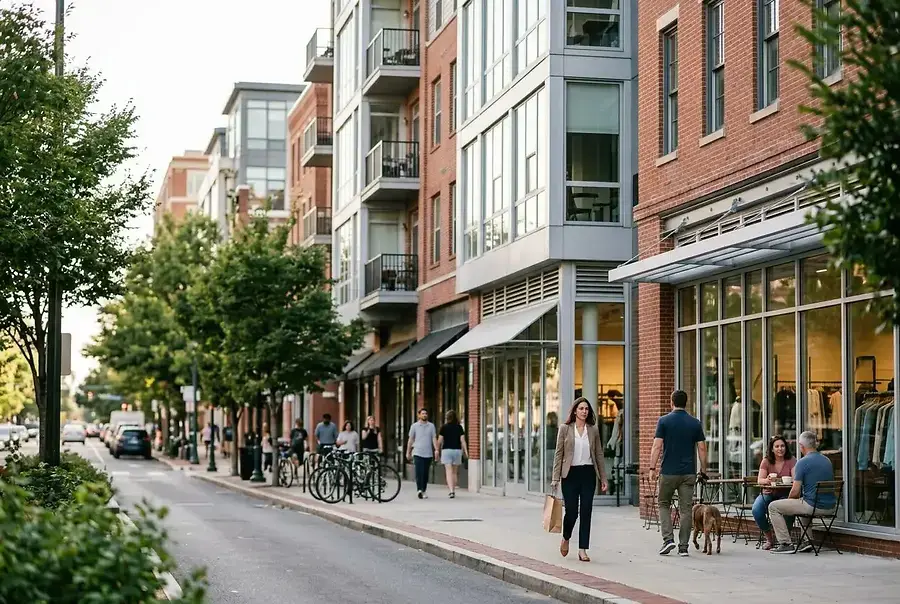
Understanding the Delaware Valley Commercial Real Estate Landscape: Key Markets from Wilmington to Philadelphia
The Delaware Valley region, spanning from Wilmington to Philadelphia and beyond, represents one of the most dynamic commercial real estate markets on the East Coast. This diverse landscape encompasses urban centers, suburban communities, and emerging neighborhoods, each offering distinct investment opportunities and market characteristics.
Philadelphia's downtown core continues to attract major corporate tenants and institutional investors, while Wilmington has positioned itself as a financial hub with significant office space demand. The surrounding communities—including Chester, Media, and the King of Prussia corridor—have developed into thriving commercial districts with their own unique value propositions.
Market Fundamentals and Growth Drivers
Several key factors are driving commercial real estate activity throughout the Delaware Valley:
- Population Growth: The region continues to attract residents seeking proximity to major employment centers and quality of life amenities.
- Corporate Relocation: Companies are increasingly establishing operations in secondary markets within the Delaware Valley, seeking cost-effective alternatives to major metropolitan centers.
- Infrastructure Development: Ongoing investments in transportation and utilities are enhancing accessibility and property values across the region.
- Mixed-Use Development: The convergence of residential and commercial spaces is creating new investment categories and revenue streams.
Residential-to-Commercial Conversion Opportunities: Identifying High-Potential Properties in Emerging Neighborhoods
One of the most compelling trends reshaping the Delaware Valley market is the conversion of residential properties into commercial or mixed-use spaces. This transformation is particularly evident in emerging neighborhoods where demographic shifts and changing consumer preferences are creating new demand patterns.
Identifying Conversion Candidates
Successful residential-to-commercial conversions require careful analysis of several factors. Properties located near transit corridors, employment centers, or entertainment districts often present the strongest conversion potential. Look for buildings with:
- Ground-floor retail potential with adequate ceiling heights
- Proximity to public transportation and major roadways
- Existing infrastructure capable of supporting commercial operations
- Zoning flexibility or potential for variance approval
- Strong neighborhood demographics and foot traffic patterns
Emerging Neighborhoods with High Potential
Several Delaware Valley neighborhoods are experiencing rapid transformation. Areas along the Market Street corridor in Philadelphia, the Riverfront District in Wilmington, and emerging suburban centers are attracting entrepreneurs and small business owners. These neighborhoods offer lower acquisition costs compared to established commercial districts while providing excellent growth potential.
The key to identifying high-potential properties is understanding neighborhood trajectory and anticipating future demand patterns. Investors who recognize emerging trends early can position themselves to capture significant value appreciation.
Market Performance Comparison: Which Delaware Valley Communities Offer the Best Returns for Mixed-Use Investments
Mixed-use investments—properties combining residential, retail, and office space—have become increasingly popular throughout the Delaware Valley. However, performance varies significantly across different communities.
Top-Performing Markets
Philadelphia's Neighborhood Districts: Neighborhoods like Fishtown, Kensington, and Passyunk Avenue have demonstrated strong mixed-use investment returns. These areas combine residential appeal with growing retail and dining scenes, attracting both residents and visitors.
Wilmington's Waterfront: The Riverfront area continues to attract significant investment and development activity. Mixed-use projects here benefit from waterfront amenities and ongoing revitalization efforts.
King of Prussia Corridor: This suburban market offers strong commercial fundamentals with growing residential demand, creating excellent mixed-use opportunities.
Return Analysis and Investment Metrics
When evaluating mixed-use investments, consider these key metrics:
- Cap Rates: Vary from 4-6% depending on location and property condition
- Occupancy Rates: Successful mixed-use properties maintain 85-95% occupancy across all components
- Rental Growth: Markets experiencing 3-5% annual rent growth offer strong appreciation potential
- Tenant Diversity: Properties with diverse tenant bases demonstrate greater resilience and stability
Mixed-use properties that successfully balance residential comfort with commercial vibrancy tend to outperform single-use investments by 15-25% over five-year periods.
Positioning Yourself as a Local Expert: Leveraging Market Knowledge to Attract Buyers and Tenants
In the competitive Delaware Valley market, establishing yourself as a knowledgeable local expert is essential for success. This expertise attracts quality buyers, tenants, and investment partners.
Building Your Market Knowledge Foundation
Develop deep expertise by:
- Studying neighborhood demographics, employment patterns, and growth trajectories
- Tracking commercial real estate transactions and pricing trends
- Understanding zoning regulations and development potential across different communities
- Building relationships with local government officials, developers, and business leaders
- Attending industry events and staying current with market research
Communicating Your Expertise
Once you've developed strong market knowledge, share it strategically:
- Create Content: Write articles, market reports, and neighborhood guides that demonstrate your expertise
- Host Events: Organize property tours, investor seminars, and networking events
- Leverage Digital Platforms: Use social media and professional networks to share insights and market analysis
- Develop Relationships: Cultivate connections with complementary professionals—architects, contractors, lenders, and attorneys
Attracting Quality Buyers and Tenants
Buyers and tenants gravitate toward professionals who understand their needs and can articulate clear value propositions. By positioning yourself as a local expert, you become the trusted resource for:
- Identifying investment opportunities aligned with specific goals
- Navigating complex transactions and regulatory requirements
- Understanding neighborhood dynamics and long-term value drivers
- Connecting stakeholders with complementary professionals and resources
Your reputation as a knowledgeable expert becomes your most valuable asset in attracting and retaining quality clients.
Conclusion
The Delaware Valley commercial real estate market is undergoing significant transformation, creating unprecedented opportunities for informed investors and professionals. By understanding market fundamentals, identifying conversion opportunities, analyzing performance metrics, and positioning yourself as a local expert, you can capitalize on these trends and build a successful real estate business in this dynamic region.
The convergence of residential and commercial real estate dynamics throughout Wilmington, Philadelphia, and surrounding communities is reshaping investment opportunities. Success requires continuous learning, strategic relationship-building, and a commitment to understanding the unique characteristics of each neighborhood and market segment.