Commercial Real Estate Growth in South Metro Denver Suburbs Today
Discover why Denver's surrounding communities are attracting major commercial development and what it means for your investment portfolio.

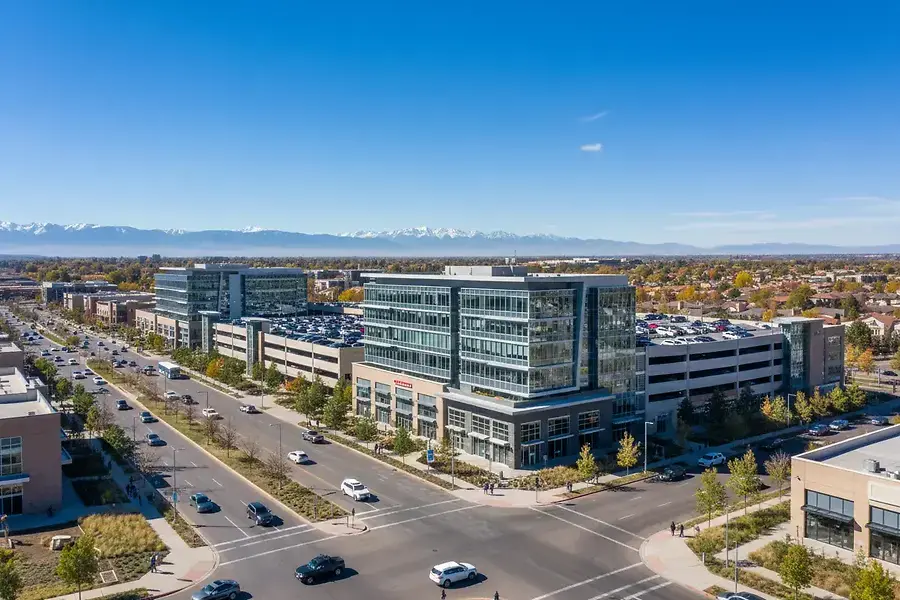
The South Metro Denver Commercial Expansion
The Denver metropolitan area has long been recognized as a thriving economic hub, but the real story of growth is unfolding in the suburbs south of the city. Communities like Littleton, Castle Rock, Aurora, and Centennial are experiencing a commercial real estate boom that's reshaping the region's business landscape. This expansion represents a significant shift in how companies view suburban markets, with major corporations and small businesses alike recognizing the strategic advantages these communities offer.
The commercial real estate sector in South Metro Denver is no longer playing second fiddle to downtown Denver. Instead, it's carving out its own identity as a dynamic, accessible, and cost-effective alternative for businesses seeking to establish or expand their operations. This transformation is creating unprecedented opportunities for investors, entrepreneurs, and property owners who understand the market dynamics at play.
Key Growth Drivers: Population, Infrastructure, and Business Demand
Population Growth and Demographic Shifts
The foundation of South Metro Denver's commercial expansion rests on robust population growth. Families and young professionals are increasingly choosing suburban communities over urban centers, drawn by more affordable housing, quality schools, and a higher quality of life. This population influx creates immediate demand for retail, office space, and service-oriented businesses that cater to growing residential communities.
The demographic profile of these suburbs is particularly attractive to businesses. A younger, educated workforce with disposable income fuels consumer spending and attracts retailers and service providers. This creates a virtuous cycle where population growth drives commercial development, which in turn attracts more residents seeking employment and services.
Infrastructure Development and Connectivity
Infrastructure improvements have been crucial catalysts for commercial growth in South Metro Denver. Enhanced transportation networks, including expanded highway corridors and improved public transit options, make these suburbs more accessible than ever. Better connectivity reduces commute times and makes these areas attractive for both employees and customers.
- Highway Expansion: Major corridor improvements have reduced travel times and improved logistics for businesses
- Public Transit: Enhanced RTD services connect suburban communities to downtown Denver and the airport
- Broadband Infrastructure: High-speed internet availability supports tech companies and remote work operations
- Airport Access: Proximity to Denver International Airport makes these areas ideal for distribution and logistics centers
Business Demand and Economic Diversification
South Metro Denver suburbs are attracting diverse business sectors, from technology and healthcare to manufacturing and professional services. Companies are discovering that they can maintain operational efficiency while reducing overhead costs by locating in suburban markets. The availability of skilled labor, combined with lower commercial real estate prices compared to downtown Denver, creates a compelling business case for relocation or expansion.
Key industries driving growth include:
- Technology and software development companies seeking cost-effective office space
- Healthcare providers expanding to serve growing suburban populations
- Logistics and distribution centers capitalizing on highway access
- Retail and hospitality businesses serving residential communities
- Professional services firms establishing suburban offices
Investment Opportunities Across Denver's Suburban Markets
Office Space and Corporate Headquarters
The office market in South Metro Denver suburbs is experiencing significant transformation. Companies are increasingly establishing regional headquarters and satellite offices in these communities, attracted by lower lease rates and modern facilities. For investors, this represents opportunities in both new construction and adaptive reuse projects that convert older commercial buildings into contemporary office spaces.
Retail and Mixed-Use Development
Retail development in these suburbs is evolving beyond traditional shopping centers. Mixed-use developments that combine retail, office, and residential components are becoming increasingly popular, creating vibrant community hubs. These projects offer investors diversified revenue streams and appeal to both tenants and consumers seeking convenient, walkable environments.
Industrial and Logistics Properties
The industrial sector is booming in South Metro Denver, driven by e-commerce growth and the need for distribution centers. Properties near major highways and with excellent transportation access command premium prices and attract high-quality tenants. Investors in industrial real estate are seeing strong rental growth and low vacancy rates.
Healthcare and Professional Services
Healthcare facilities, including medical offices, urgent care centers, and specialized clinics, are expanding rapidly in suburban communities. The aging population and growing residential base create sustained demand for these services. Professional service buildings housing law firms, accounting practices, and consulting companies are also seeing increased demand.
Investment Considerations
When evaluating investment opportunities in South Metro Denver suburbs, consider the following factors:
- Location within the suburb: Proximity to major intersections and transportation hubs significantly impacts property value
- Tenant quality and stability: Long-term leases with creditworthy tenants provide reliable income streams
- Growth trajectory: Understanding which communities are experiencing the fastest growth helps identify emerging opportunities
- Market saturation: Some property types may be reaching saturation in certain areas, affecting future appreciation
- Development pipeline: Knowledge of planned infrastructure and residential projects can inform investment timing
Positioning Yourself in the South Metro Denver Commercial Market
The commercial real estate market in South Metro Denver suburbs represents a compelling investment opportunity for those who understand the underlying growth drivers. The combination of population growth, infrastructure improvements, and strong business demand creates a favorable environment for property appreciation and rental income generation.
To capitalize on these opportunities, consider:
- Conducting thorough market research on specific suburban communities and their growth prospects
- Partnering with local real estate professionals who understand the nuances of each market
- Diversifying across different property types and communities to manage risk
- Monitoring demographic trends and infrastructure development plans
- Evaluating properties based on long-term fundamentals rather than short-term market fluctuations
The South Metro Denver suburbs are no longer emerging markets—they're established, growing commercial real estate destinations. Whether you're an experienced investor looking to expand your portfolio or a business owner seeking the right location for your company, the opportunities in these communities deserve serious consideration. The convergence of favorable demographics, infrastructure improvements, and strong business demand suggests that this growth trajectory will continue, making now an excellent time to position yourself in this dynamic market.
The commercial real estate landscape in South Metro Denver continues to evolve, offering sophisticated investors and business leaders the chance to participate in one of the region's most significant economic transformations.