Commercial Real Estate Investment Guide for Portland Metro Markets
Learn how to evaluate office, retail, and industrial properties across Beaverton, Hillsboro, Tigard, and surrounding suburbs for maximum ROI.

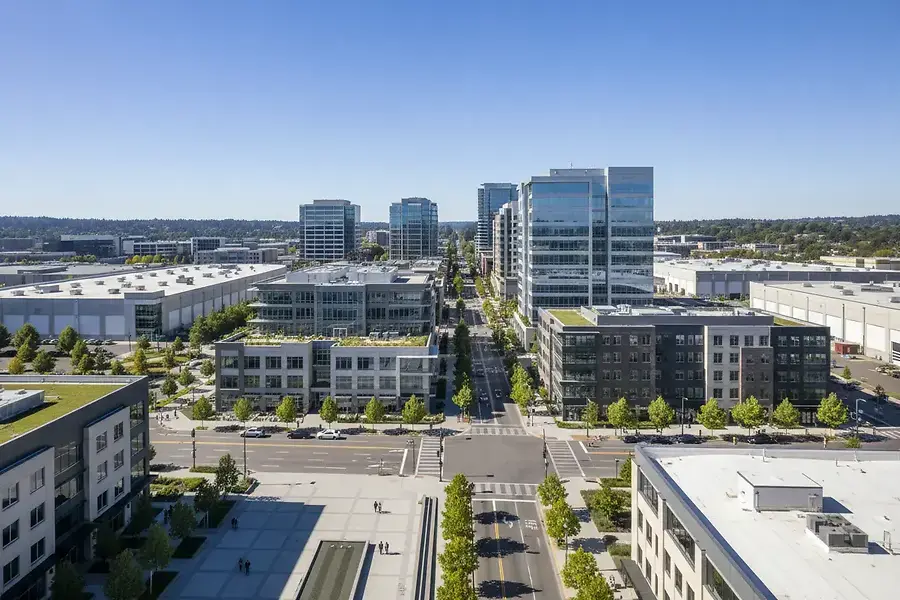
Understanding Commercial Property Types and Market Dynamics in Portland Metro
The Portland metropolitan area has emerged as a dynamic hub for commercial real estate investment, offering diverse opportunities across multiple property types. Understanding the nuances of each sector is essential for making informed investment decisions.
Office Properties
Office spaces remain a cornerstone of commercial portfolios in the Portland metro. The region's tech-forward economy and growing corporate presence have created steady demand for quality office properties. Modern office buildings with flexible layouts, sustainable features, and proximity to transit corridors command premium valuations.
Key considerations for office investments include:
- Tenant quality and lease stability
- Building age and modernization requirements
- Proximity to employment centers and transportation hubs
- Amenity offerings and tenant retention rates
Retail Properties
Retail real estate in the Portland metro continues to evolve as consumer preferences shift. Successful retail investments focus on experiential properties, mixed-use developments, and neighborhood-serving centers rather than traditional enclosed malls.
Strong retail locations typically feature high foot traffic, convenient parking, and complementary tenant mixes that drive customer engagement.
Industrial Properties
Industrial real estate has experienced remarkable growth in the Portland metro, driven by e-commerce expansion and supply chain diversification. Warehouses, distribution centers, and light manufacturing facilities offer attractive returns with long-term tenant relationships.
Evaluating Investment Potential in High-Growth Areas Like Forest Grove and Lake Oswego
Strategic location selection separates successful investors from the rest. The Portland metro offers distinct micro-markets with varying growth trajectories and investment characteristics.
Emerging Growth Corridors
Forest Grove and surrounding western suburbs represent emerging opportunities with lower entry costs and significant growth potential. These areas benefit from:
- Expanding residential populations
- Developing commercial infrastructure
- Lower property valuations compared to established markets
- Strong future appreciation potential
Established Premium Markets
Lake Oswego, Beaverton, and Tigard represent more established markets with proven track records. These areas offer:
- Stable tenant bases and lower vacancy rates
- Higher current rental rates and cash flow
- Strong demographic profiles and purchasing power
- Established infrastructure and amenities
Market Analysis Framework
Conduct thorough market research by examining:
- Population growth rates and demographic trends
- Employment centers and job creation patterns
- Comparable property sales and rental rates
- Zoning regulations and development pipelines
- Local economic indicators and business climate
Smart investors recognize that location is not just about current conditions—it's about understanding where the market is heading.
Financing Strategies and Due Diligence for Commercial Acquisitions
Securing appropriate financing and conducting rigorous due diligence are critical components of successful commercial real estate investing.
Financing Options
Commercial properties offer multiple financing pathways. Traditional bank loans remain popular, but investors should also explore:
- SBA loans for smaller acquisitions
- Commercial mortgage-backed securities (CMBS)
- Private lending and investor partnerships
- Portfolio loans from relationship banks
- Hard money for bridge financing
Loan terms typically range from 5 to 20 years, with interest rates varying based on property type, location, and borrower qualifications. Aim for debt service coverage ratios of 1.25 or higher to ensure sustainable cash flow.
Essential Due Diligence Steps
Never skip comprehensive due diligence. Critical evaluation areas include:
- Physical Inspection: Professional building inspections identifying structural, mechanical, and systems issues
- Environmental Assessment: Phase I and Phase II environmental studies to identify contamination risks
- Tenant Analysis: Review lease agreements, tenant creditworthiness, and renewal probabilities
- Financial Verification: Audit rent rolls, operating expenses, and historical performance
- Title and Legal: Confirm clear title, easements, and zoning compliance
Professional inspections and environmental assessments typically cost 1-2% of purchase price but can save thousands in unexpected repairs.
Valuation Methods
Use multiple valuation approaches to establish fair market value:
- Income Approach: Based on net operating income and capitalization rates
- Comparable Sales: Analysis of similar recent transactions
- Cost Approach: Replacement cost minus depreciation
Building Your Commercial Portfolio: Action Steps for Success
Developing a successful commercial real estate portfolio requires strategic planning and disciplined execution.
Define Your Investment Strategy
Clarify your investment objectives before pursuing opportunities. Consider:
- Target property types and geographic markets
- Desired holding periods and exit strategies
- Risk tolerance and return expectations
- Capital availability and leverage preferences
Build Your Professional Team
Surround yourself with experienced professionals:
- Commercial real estate brokers with local market expertise
- Real estate attorneys specializing in commercial transactions
- Certified public accountants familiar with real estate taxation
- Property managers with relevant property type experience
- Commercial lenders and mortgage brokers
Start Small and Scale Strategically
New investors should consider starting with smaller properties or partnerships to build experience and capital. As you develop expertise and accumulate resources, expand into larger, more complex acquisitions.
Monitor and Optimize Performance
Successful portfolio management requires ongoing attention. Track key performance metrics including:
- Capitalization rates and cash-on-cash returns
- Tenant satisfaction and retention rates
- Operating expense trends
- Market conditions and refinancing opportunities
The Portland metro commercial real estate market offers compelling opportunities for informed investors. By understanding property types, evaluating markets strategically, securing appropriate financing, and conducting thorough due diligence, you can build a profitable commercial portfolio. Success requires patience, research, and a commitment to continuous learning in this dynamic market.


