Commercial Real Estate Investment Opportunities Across Rhode Island
Discover profitable opportunities across Providence, Warwick, and surrounding communities for savvy investors.

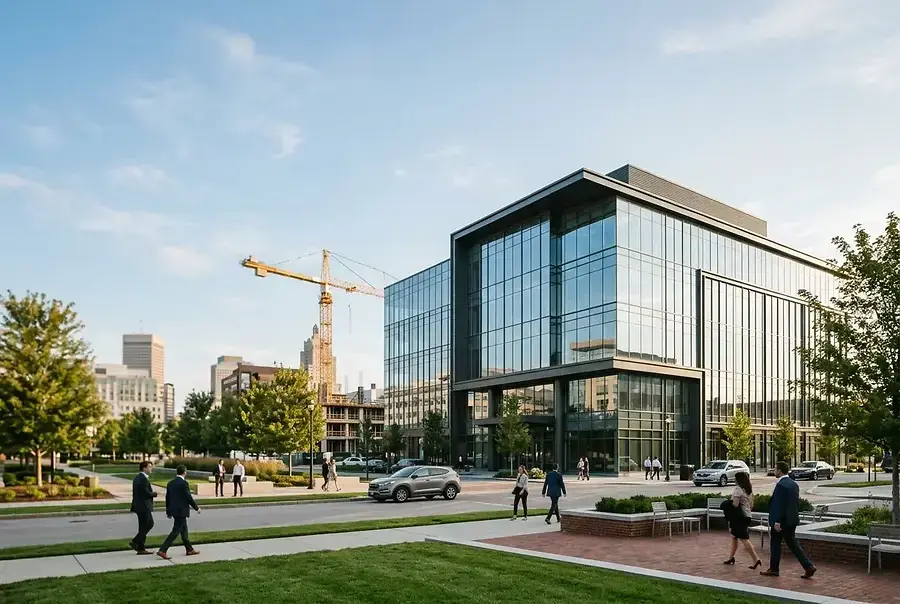
Understanding the Rhode Island Commercial Real Estate Market
Rhode Island's commercial real estate market has experienced significant growth and transformation in recent years. The state's strategic location in the Northeast Corridor, combined with its robust infrastructure and business-friendly environment, makes it an attractive destination for commercial investors seeking stable returns and long-term appreciation potential.
The market is characterized by diverse property types, including office spaces, retail centers, industrial warehouses, and mixed-use developments. This variety allows investors to tailor their portfolios to their risk tolerance and investment goals. Whether you're a seasoned investor or exploring commercial real estate for the first time, Rhode Island presents compelling opportunities across multiple sectors.
Key factors driving market growth include:
- Strong demand from growing businesses relocating to the region
- Increasing population density supporting retail and service sectors
- Revitalization initiatives in urban centers
- Competitive property valuations compared to neighboring states
- Supportive local government policies for business development
Key Investment Markets: From Warwick to Providence and Beyond
Providence: The Urban Core
Providence stands as Rhode Island's premier commercial real estate market. The state capital has undergone remarkable revitalization, with downtown areas attracting significant investment and development. Mixed-use properties combining residential, retail, and office spaces are particularly popular, offering investors multiple revenue streams and strong appreciation potential.
The Providence market benefits from:
- Proximity to major universities and research institutions
- Growing tech and creative industries
- Expanding hospitality and entertainment sectors
- Improved public transportation infrastructure
Warwick: The Commercial Hub
Warwick has emerged as a secondary commercial center with significant advantages for investors. Located strategically between Providence and the airport, Warwick offers excellent accessibility and lower property costs than the state capital. Industrial and logistics properties perform particularly well here, driven by proximity to major transportation corridors.
Investment highlights in Warwick include:
- Robust industrial and warehouse market
- Growing retail and commercial corridors
- Favorable lease rates compared to Providence
- Strong tenant demand from distribution and logistics companies
Surrounding Communities
Communities throughout Rhode Island present emerging opportunities for discerning investors. Areas like Cranston, Pawtucket, and Woonsocket offer undervalued properties with significant upside potential. These markets often feature lower entry costs while maintaining solid fundamentals and growth prospects.
Evaluating Commercial Properties: What Smart Investors Look For
Location and Accessibility
The adage "location, location, location" remains paramount in commercial real estate. Evaluate properties based on:
- Proximity to major highways and transportation hubs
- Visibility and foot traffic patterns
- Neighborhood demographics and economic trends
- Zoning regulations and future development plans
Financial Metrics and Returns
Successful investors analyze properties through rigorous financial evaluation. Key metrics include cap rates, cash-on-cash returns, and net operating income (NOI). A property's ability to generate consistent rental income and appreciate over time should drive your investment decision.
"The best commercial investments combine strong current cash flow with long-term appreciation potential. Don't overlook properties that may require modest improvements but offer excellent fundamentals."
Property Condition and Maintenance
Conduct thorough inspections and environmental assessments. Understanding a property's structural integrity, mechanical systems, and compliance status prevents costly surprises. Factor in potential renovation costs when evaluating overall investment returns.
Tenant Quality and Lease Terms
The strength of your investment depends heavily on tenant reliability. Evaluate:
- Tenant credit ratings and payment history
- Lease duration and renewal terms
- Industry stability and growth prospects
- Tenant diversification across property portfolios
Making Your Move: Steps to Securing Your Next Commercial Investment
Step 1: Define Your Investment Strategy
Before pursuing properties, establish clear investment objectives. Determine whether you're seeking income-producing assets, value-add opportunities, or development projects. Your strategy should align with your capital availability, risk tolerance, and time horizon.
Step 2: Build Your Professional Team
Assemble experienced professionals including commercial real estate brokers, attorneys, accountants, and property inspectors. These experts provide invaluable guidance throughout the acquisition process and help identify opportunities others might miss.
Step 3: Conduct Market Research
Study market trends, comparable sales, and rental rates in your target areas. Understanding supply and demand dynamics helps you identify undervalued properties and anticipate future market movements. Local market knowledge is a competitive advantage.
Step 4: Perform Due Diligence
Never skip thorough due diligence. Review financial statements, lease agreements, environmental reports, and title documents. Verify tenant information and assess potential liabilities. This groundwork protects your investment and reveals hidden opportunities.
Step 5: Secure Financing
Explore financing options including traditional bank loans, SBA programs, and private lending. Commercial real estate financing typically requires 20-30% down payment and strong credit. Work with lenders familiar with Rhode Island market conditions to optimize your loan terms.
Step 6: Negotiate and Close
Leverage market knowledge and professional guidance to negotiate favorable terms. Don't rush the closing process—ensure all contingencies are satisfied and documentation is complete. A successful closing sets the foundation for profitable property management.
Conclusion
Rhode Island's commercial real estate market offers compelling opportunities for investors willing to conduct thorough research and due diligence. From Providence's vibrant urban core to Warwick's industrial strength and emerging opportunities in surrounding communities, the state provides diverse pathways to profitable investments.
Success in commercial real estate requires patience, expertise, and strategic thinking. By understanding market dynamics, evaluating properties rigorously, and following a structured acquisition process, you can build a strong portfolio of income-producing assets. Start your investment journey today and discover the potential that Rhode Island's commercial real estate market holds for your financial future.