Commercial Real Estate Investment Strategies for Cincinnati and West Chester
Learn proven tactics to identify undervalued properties and maximize returns in Ohio's fastest-growing business markets.

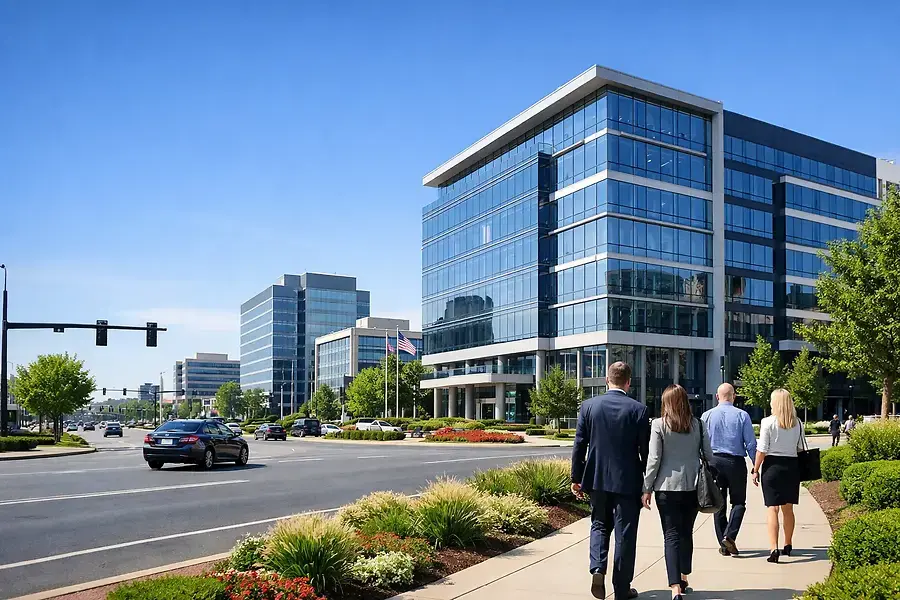
Understanding the Cincinnati and West Chester Commercial Real Estate Landscape
Cincinnati and West Chester represent two of Ohio's most dynamic commercial real estate markets. Cincinnati, with its rich industrial heritage and diverse economy, has transformed into a thriving hub for technology, healthcare, and professional services. West Chester, located in the northern suburbs, has emerged as a premier destination for corporate headquarters and retail development.
The commercial real estate landscape in these regions is characterized by steady population growth, business expansion, and infrastructure improvements. Understanding the local market dynamics is essential for identifying investment opportunities that align with long-term growth projections.
Market Growth Drivers
Several factors contribute to the attractiveness of these markets:
- Corporate Relocation: Major companies continue to establish operations in the Cincinnati-West Chester corridor due to favorable business conditions and lower costs compared to coastal markets.
- Workforce Development: The region benefits from a skilled workforce and proximity to major universities, supporting business growth and retention.
- Infrastructure Investment: Ongoing improvements to transportation networks and utilities enhance property values and accessibility.
- Diverse Economic Base: The presence of multiple industries reduces market volatility and creates stable demand for commercial space.
Current Market Conditions
The commercial real estate market in Cincinnati and West Chester continues to show resilience with competitive pricing, moderate vacancy rates, and strong tenant demand. Investors who understand these conditions can identify opportunities to acquire properties below market value and position themselves for significant returns.
Key Investment Criteria and Market Analysis Techniques
Identifying Undervalued Properties
Successful commercial real estate investors employ systematic approaches to find undervalued assets. Consider these essential criteria:
- Location Analysis: Evaluate proximity to major employers, transportation hubs, and demographic centers. Properties in emerging business districts often offer better value than established areas.
- Property Condition: Properties requiring cosmetic or structural improvements may be priced below market value, offering opportunities for value-add strategies.
- Lease Terms: Analyze existing tenant agreements, lease rates, and renewal dates. Below-market leases present opportunities to increase income upon renewal.
- Comparable Sales: Research recent transactions for similar properties to establish fair market value and identify pricing anomalies.
Market Analysis Techniques
Develop a comprehensive understanding of market fundamentals through these analysis methods:
Cap Rate Analysis: Calculate capitalization rates by dividing net operating income by property value. This metric helps compare investment returns across different properties and markets.
Tenant Quality Assessment: Evaluate tenant creditworthiness, lease stability, and industry trends. Strong tenants with long-term leases reduce vacancy risk and provide predictable cash flow.
Supply and Demand Dynamics: Monitor new construction, absorption rates, and vacancy trends. Markets with limited new supply and strong demand typically offer better appreciation potential.
Due Diligence Essentials
Before committing capital, conduct thorough due diligence including:
- Environmental assessments and Phase I inspections
- Title searches and lien verification
- Zoning compliance and regulatory review
- Tenant financial statements and credit checks
- Operating expense analysis and utility costs
Financing Options and Capital Strategies for Commercial Properties
Traditional Financing Approaches
Commercial real estate financing in Cincinnati and West Chester offers multiple pathways for investors:
- Bank Loans: Traditional lenders offer competitive rates for properties with strong fundamentals. Expect to provide 20-30% down payment and demonstrate solid credit and experience.
- SBA Loans: Small Business Administration programs provide favorable terms for qualified borrowers, particularly for smaller commercial properties.
- Portfolio Lenders: Regional and local banks often provide more flexible underwriting criteria and faster closing timelines.
Alternative Capital Strategies
Beyond traditional financing, consider these approaches to optimize your capital structure:
Syndication and Partnerships: Pool capital with other investors to acquire larger properties and spread risk. This approach allows you to control more assets with less personal capital.
1031 Exchanges: Leverage tax-deferred exchanges to reinvest proceeds from property sales into higher-value assets, accelerating portfolio growth without immediate tax liability.
Seller Financing: Negotiate directly with property owners for favorable terms, potentially securing below-market interest rates and flexible payment schedules.
Capital Preservation and Risk Management
Protect your investments through strategic capital management:
- Maintain adequate reserves for unexpected expenses and market downturns
- Diversify across property types and geographic locations within the region
- Secure appropriate insurance coverage including liability and loss of rents
- Implement professional property management to optimize operations and tenant relationships
Conclusion: Building Your Commercial Portfolio in Ohio
Cincinnati and West Chester offer compelling opportunities for commercial real estate investors willing to conduct thorough market analysis and apply disciplined investment strategies. Success requires understanding local market dynamics, identifying undervalued assets, and implementing sound financing approaches.
The key to building a profitable commercial portfolio lies in combining market knowledge with systematic analysis and strategic capital deployment. By following the frameworks outlined in this guide, you can position yourself to capitalize on Ohio's growing business markets and achieve your investment objectives.
Start by researching local market conditions, connecting with experienced brokers and lenders, and evaluating properties that meet your investment criteria. With patience, diligence, and strategic thinking, you can build a substantial commercial real estate portfolio that generates consistent returns and long-term wealth.