Commercial Real Estate Investment Strategies for South Florida
Discover proven tactics for identifying and securing high-yield commercial properties in Fort Lauderdale and Pompano Beach.

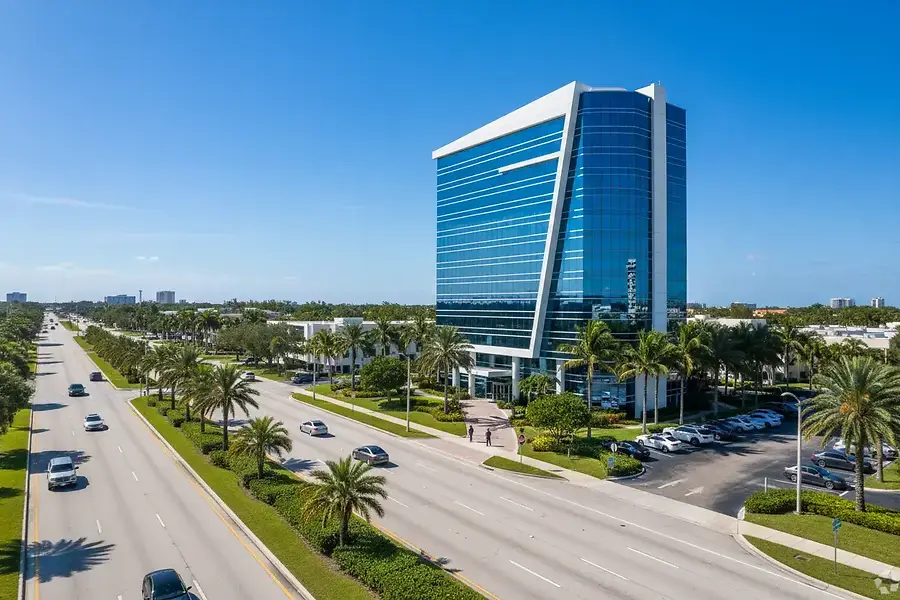
Why South Florida's Commercial Market Matters
South Florida's commercial real estate market has emerged as one of the most dynamic and lucrative investment opportunities in the United States. The region, particularly Fort Lauderdale and Pompano Beach, continues to attract businesses, entrepreneurs, and investors seeking growth and stability. With a robust economy, favorable business climate, and strategic geographic location, South Florida offers exceptional potential for commercial property investors.
The commercial sector in this region has experienced significant expansion due to increased corporate relocations, tourism growth, and infrastructure development. Whether you're a seasoned investor or exploring commercial real estate for the first time, understanding the nuances of South Florida's market is essential for making informed investment decisions.
Key Investment Criteria: Location, Zoning, and Market Demand in Fort Lauderdale and Pompano Beach
Location Analysis
Location remains the cornerstone of successful commercial real estate investment. In Fort Lauderdale and Pompano Beach, proximity to major highways, airports, and business districts significantly impacts property value and rental potential. Properties near Interstate 95, the Fort Lauderdale-Hollywood International Airport, and downtown business corridors command premium prices and attract quality tenants.
Key location factors to evaluate:
- Accessibility and visibility from major roads
- Proximity to transportation hubs and public transit
- Neighborhood demographics and economic stability
- Surrounding commercial activity and tenant quality
- Future development plans in the area
Zoning and Regulatory Considerations
Understanding zoning regulations is critical before committing to any commercial property purchase. Fort Lauderdale and Pompano Beach have specific zoning classifications that determine how properties can be used. Verify that the property's current zoning aligns with your intended use, and research whether zoning variances or modifications are possible if needed.
Work closely with local planning departments and real estate attorneys to understand:
- Current zoning classifications and permitted uses
- Building codes and compliance requirements
- Environmental regulations and restrictions
- Parking requirements and setback regulations
- Future zoning changes in the development pipeline
Market Demand and Tenant Quality
Successful commercial investments depend on strong tenant demand. Analyze the local market to identify sectors with growing demand, such as healthcare, technology, retail, and hospitality. Properties in high-demand sectors typically command higher rents and experience lower vacancy rates.
Research tenant quality by examining:
- Average rental rates for comparable properties
- Vacancy rates in the submarket
- Tenant retention and turnover rates
- Industry growth trends in the area
- Competition from new developments
Financing and Due Diligence: Essential Steps Before Making Your Commercial Purchase
Securing Appropriate Financing
Commercial real estate financing differs significantly from residential mortgages. Lenders evaluate commercial properties based on income potential, property condition, and borrower creditworthiness. Explore multiple financing options including traditional bank loans, SBA loans, private lending, and partnership arrangements.
When evaluating financing options, consider:
- Loan-to-value (LTV) ratios and down payment requirements
- Interest rates and loan terms
- Prepayment penalties and refinancing options
- Personal guarantees and collateral requirements
- Lender experience with similar property types
Comprehensive Due Diligence
Due diligence is your opportunity to thoroughly investigate the property before finalizing the purchase. This process protects your investment and reveals potential issues that could affect profitability.
Essential due diligence components include:
- Property Inspection: Hire qualified inspectors to evaluate structural integrity, mechanical systems, and overall condition
- Environmental Assessment: Conduct Phase I and Phase II environmental assessments to identify contamination or hazardous materials
- Title Search: Verify clear title and identify any liens, easements, or encumbrances
- Lease Review: Analyze existing tenant leases, terms, and renewal options
- Financial Analysis: Verify income statements, operating expenses, and calculate cap rates and cash-on-cash returns
- Market Study: Commission a professional appraisal and market analysis
Financial Metrics and Analysis
Understanding key financial metrics helps you evaluate investment potential accurately. Calculate the capitalization rate (cap rate) by dividing net operating income by property value. Compare this to market averages for similar properties to determine if the investment offers competitive returns.
Additionally, analyze:
- Cash-on-cash return on your initial investment
- Internal rate of return (IRR) over your holding period
- Debt service coverage ratio (DSCR)
- Operating expense ratios compared to market standards
- Potential for value appreciation and rent growth
"Success in commercial real estate investing requires patience, thorough analysis, and a deep understanding of local market dynamics. The investors who thrive are those who do their homework and make decisions based on data, not emotion."
Building Your Commercial Real Estate Portfolio in South Florida
South Florida's commercial real estate market presents compelling opportunities for investors willing to conduct thorough research and due diligence. By focusing on prime locations in Fort Lauderdale and Pompano Beach, understanding zoning and market demand, and following rigorous financial analysis protocols, you can identify properties with strong income potential and appreciation prospects.
Start by developing a clear investment strategy aligned with your financial goals and risk tolerance. Network with local real estate professionals, brokers, and investors to gain market insights. Stay informed about economic trends, development projects, and regulatory changes affecting the region.
Remember that successful commercial real estate investing is a long-term endeavor. Build your portfolio strategically, diversify across property types and locations, and maintain properties to maximize returns. With the right approach and commitment to due diligence, South Florida's commercial real estate market can become a cornerstone of your investment portfolio.


