Commercial Real Estate Market Trends Across Key U.S. Regions
Discover emerging opportunities and investment strategies in today's competitive commercial property landscape.

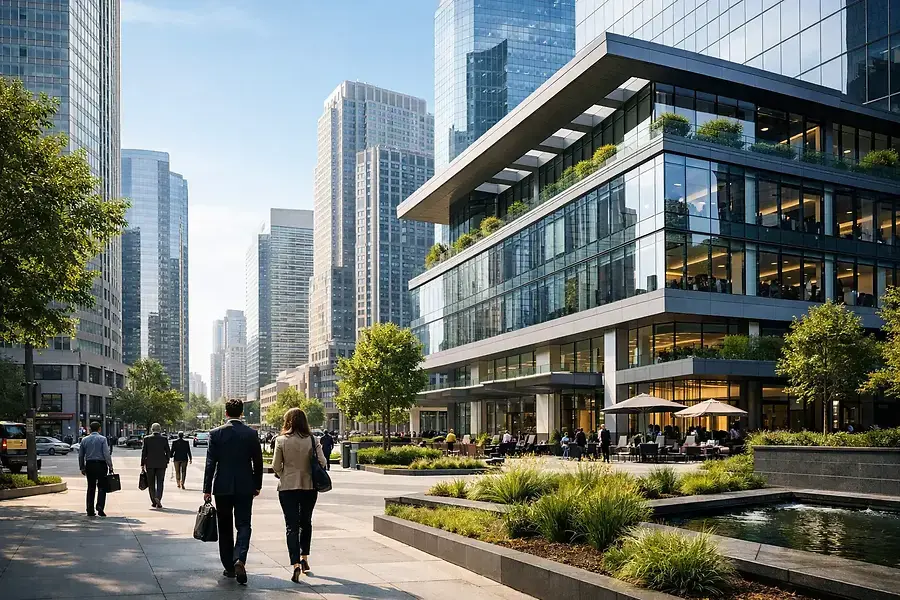
Understanding Current Market Dynamics in Major Commercial Hubs
The commercial real estate market continues to evolve rapidly, shaped by shifting tenant preferences, technological advancement, and changing economic conditions. Major metropolitan areas across the United States are experiencing distinct patterns of growth and transformation that present both challenges and opportunities for investors and property owners.
The landscape has fundamentally shifted from traditional office-centric markets toward mixed-use developments that prioritize flexibility and sustainability. Adaptive reuse projects are gaining traction as developers recognize the value in converting older industrial spaces and underutilized buildings into modern commercial environments. This trend reflects a broader market recognition that location flexibility and operational efficiency are now paramount considerations for tenants.
Key Market Indicators
Several critical factors are influencing commercial real estate performance across regions:
- Occupancy Rates: Premium locations in tech-forward cities are seeing strong recovery, while secondary markets are experiencing more gradual stabilization
- Rental Growth: Class A properties continue to command premium rates, particularly in markets with limited new supply
- Capital Flows: Institutional investors are increasingly focused on properties with strong ESG credentials and long-term tenant stability
- Interest Rate Environment: Financing costs remain a critical consideration for acquisition and development decisions
Regional Growth Patterns and Investment Hotspots
Sunbelt Expansion and Tech Corridor Growth
The Sunbelt region continues to attract significant commercial investment, driven by population migration and business relocation trends. Cities like Austin, Nashville, and Charlotte are experiencing robust demand for office, industrial, and retail properties. Industrial real estate remains particularly attractive in these markets, with e-commerce and logistics companies seeking strategically located distribution centers.
Tech corridors throughout the country are reshaping commercial landscapes. Beyond traditional hubs, emerging technology centers in secondary markets are creating new investment opportunities. These regions offer lower entry costs, available talent pools, and growing infrastructure that appeal to both established companies and startups.
Urban Core Revitalization
Major metropolitan centers are undergoing strategic revitalization efforts. Downtown districts are being reimagined with mixed-use developments that combine office, residential, hospitality, and retail components. This diversification approach reduces risk and creates vibrant communities that attract premium tenants and higher valuations.
Smart investors recognize that the future of commercial real estate lies in adaptability—properties that can serve multiple purposes and evolve with market demands will outperform traditional single-use assets.
Industrial and Logistics Market Strength
The industrial sector remains one of the strongest segments in commercial real estate. Demand for warehouse and distribution facilities continues to outpace supply in many markets. Key investment considerations include:
- Proximity to major transportation hubs and population centers
- Building specifications that accommodate modern logistics operations
- Long-term tenant agreements with creditworthy operators
- Potential for value-add through facility upgrades and operational improvements
Strategic Positioning for Commercial Property Success
Due Diligence and Market Analysis
Successful commercial real estate investment begins with thorough market research and analysis. Investors should evaluate demographic trends, employment growth, and competitive supply dynamics in target markets. Understanding local zoning regulations and development pipelines is essential for identifying undervalued opportunities and avoiding overbuilt markets.
Tenant Quality and Lease Structure
The strength of tenant relationships directly impacts property performance. Prioritize properties with diversified tenant bases, strong credit profiles, and long-term lease commitments. Properties with built-in rent escalations and renewal options provide more predictable income streams and reduce vacancy risk.
Technology Integration and Sustainability
Modern commercial properties must incorporate technology solutions that enhance operational efficiency and tenant experience. Building automation systems, smart security features, and energy management technologies are no longer optional—they're essential for competitive positioning. Similarly, sustainability features including LEED certification, renewable energy systems, and water conservation measures appeal to environmentally conscious tenants and command premium valuations.
Capital Structure and Financing Strategy
Prudent financing decisions significantly impact investment returns. Consider the following strategies:
- Lock in favorable long-term financing when available to reduce refinancing risk
- Evaluate debt-to-equity ratios that balance leverage benefits with financial stability
- Explore alternative financing structures such as joint ventures and partnerships to access larger opportunities
- Maintain adequate reserves for capital expenditures and unexpected market shifts
Exit Strategy and Portfolio Diversification
Successful investors develop clear exit strategies before acquiring properties. Consider holding periods, market cycles, and potential disposition timelines. Diversifying across property types, geographic regions, and tenant sectors reduces portfolio risk and provides flexibility to capitalize on emerging opportunities.
Conclusion: Capitalizing on Market Opportunities
The commercial real estate market presents compelling opportunities for informed investors who understand regional dynamics and market fundamentals. Success requires a combination of thorough analysis, strategic positioning, and disciplined execution.
Key takeaways for navigating today's market include:
- Focus on markets with strong demographic and employment fundamentals
- Prioritize properties with quality tenants and sustainable lease structures
- Invest in technology and sustainability features that enhance long-term value
- Maintain financial flexibility to adapt to changing market conditions
- Develop clear investment criteria and disciplined decision-making processes
The commercial real estate landscape continues to evolve, but fundamental principles of location, tenant quality, and financial discipline remain paramount. By staying informed about regional trends and maintaining a strategic perspective, investors can identify and capitalize on the most promising opportunities in this dynamic market. The next generation of commercial real estate success will belong to those who combine data-driven analysis with adaptive strategies that respond to changing market conditions.


