Commercial Real Estate Market Trends Across Wisconsin in 2026
Discover how retail, office, and industrial spaces are evolving in Milwaukee, Madison, Green Bay, and beyond to meet modern business needs.

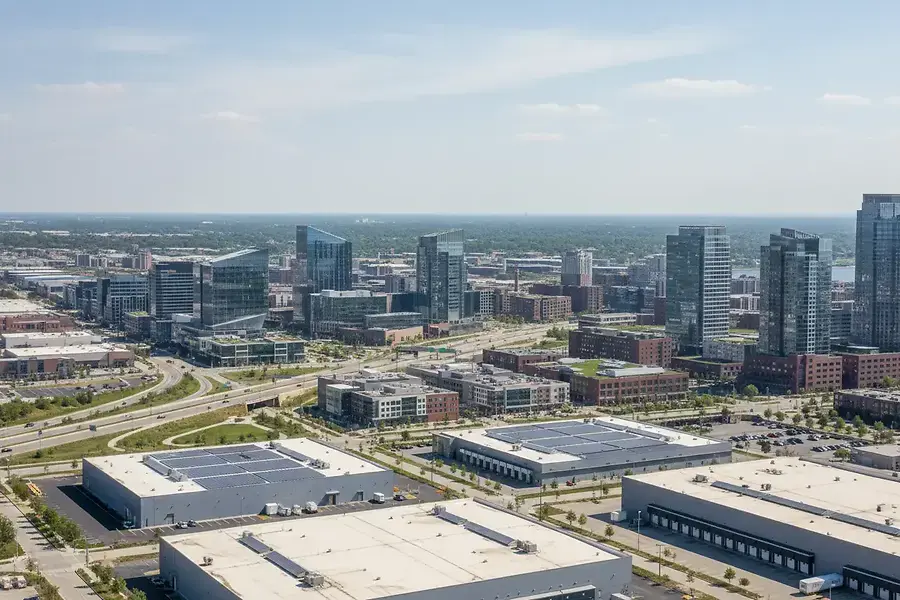
Understanding Wisconsin's Dynamic Commercial Real Estate Market
Wisconsin's commercial real estate landscape is undergoing a remarkable transformation. From the bustling streets of Milwaukee to the vibrant corridors of Madison and the growing industrial hubs of Green Bay, the state's property market is reshaping itself to meet the demands of contemporary businesses. This evolution reflects broader economic shifts, changing work patterns, and the increasing importance of flexibility and sustainability in commercial spaces.
The Wisconsin commercial real estate market has proven resilient and adaptive, with investors and developers recognizing the unique opportunities that exist across the state. Whether you're a seasoned investor, a growing business, or a tenant seeking the perfect space, understanding these market trends is essential for making informed decisions.
Key Market Trends and Growth Opportunities in Major Wisconsin Cities
Milwaukee: The Urban Renaissance
Milwaukee continues to establish itself as a premier commercial hub in the Midwest. The city's downtown revitalization efforts have attracted significant investment in mixed-use developments that combine retail, office, and residential spaces. The demand for adaptive reuse properties has surged, as developers convert historic warehouses and manufacturing facilities into modern commercial spaces that appeal to tech companies, creative agencies, and professional services firms.
Key opportunities in Milwaukee include:
- Waterfront development projects offering premium office and retail spaces
- Conversion of industrial buildings into flexible co-working and innovation hubs
- Growth in the healthcare and biotechnology sectors driving office demand
- Expansion of entertainment and hospitality-related commercial properties
Madison: Innovation and Growth
Madison's economy, bolstered by the University of Wisconsin and a thriving tech sector, continues to drive commercial real estate growth. The city has become increasingly attractive to startups and established technology companies seeking talented workforces and collaborative environments. Office spaces designed with flexibility and wellness amenities are commanding premium rents as companies compete for top talent.
Notable trends in Madison:
- High demand for modern office spaces with collaborative work environments
- Growth in life sciences and research-related commercial properties
- Expansion of retail spaces catering to the young, educated demographic
- Increased investment in sustainable and LEED-certified buildings
Green Bay and Beyond: Industrial Expansion
Green Bay and surrounding areas are experiencing significant industrial real estate growth. The region's strategic location and strong logistics infrastructure have made it an attractive destination for distribution centers, manufacturing facilities, and warehousing operations. Companies are increasingly recognizing the value of establishing operations in secondary markets with lower costs and excellent transportation access.
Industrial market highlights:
- Increased demand for modern warehouse and distribution facilities
- Growth in e-commerce logistics requiring specialized industrial spaces
- Development of industrial parks with modern amenities and infrastructure
- Expansion opportunities for manufacturing and food processing operations
What Tenants and Buyers Are Looking For in Today's Commercial Properties
Flexibility and Adaptability
Modern tenants prioritize spaces that can adapt to changing business needs. Open floor plans, modular designs, and flexible lease terms have become essential features rather than nice-to-haves. Businesses want the ability to scale up or down without being locked into long-term commitments, reflecting the dynamic nature of contemporary commerce.
Sustainability and Green Features
Environmental consciousness is no longer a niche concern—it's a market driver. Tenants and buyers increasingly seek properties with:
- Energy-efficient systems and renewable energy sources
- Water conservation technologies and sustainable materials
- Green certifications such as LEED or similar standards
- Access to public transportation and bike-friendly infrastructure
Properties that demonstrate environmental responsibility not only attract quality tenants but also command higher valuations and rental rates in today's market.
Technology Integration
High-speed internet, smart building systems, and integrated technology infrastructure are now baseline expectations. Tenants expect reliable connectivity, advanced security systems, and building management platforms that enhance operational efficiency. Properties lacking these features face challenges in attracting and retaining quality tenants.
Location and Accessibility
Strategic location remains paramount. Tenants and buyers seek properties with:
- Proximity to major transportation corridors and highways
- Access to skilled labor markets and talent pools
- Walkable neighborhoods with amenities and services
- Parking availability and convenient access for customers and employees
Health and Wellness Amenities
The emphasis on employee health and wellness has transformed commercial property expectations. Modern office spaces now feature improved air quality systems, natural lighting, fitness facilities, and outdoor spaces. These amenities have become critical factors in tenant decision-making and employee retention strategies.
How to Capitalize on Wisconsin's Commercial Real Estate Opportunities
For Investors
The Wisconsin commercial real estate market presents multiple investment opportunities. Consider focusing on properties in high-growth corridors, particularly those with adaptive reuse potential or strong tenant demand. Secondary markets like Green Bay and Appleton offer attractive entry points with lower acquisition costs and solid growth potential. Diversifying across property types—retail, office, and industrial—can help mitigate risk while capturing growth across different sectors.
For Business Owners and Tenants
When seeking commercial space, prioritize locations that align with your business goals and employee needs. Evaluate properties not just on current features but on their potential for future adaptation. Negotiate lease terms that provide flexibility, and ensure the space supports your company culture and operational requirements. Don't overlook emerging neighborhoods and secondary markets, which often offer better value and growth potential.
For Developers
Development opportunities abound for those willing to innovate. Focus on creating spaces that meet the evolving needs of modern businesses—flexible layouts, sustainable features, and integrated technology. Mixed-use developments that combine different property types continue to attract strong interest. Additionally, adaptive reuse projects in historic districts offer both financial incentives and market appeal.
Conclusion: The Future of Wisconsin's Commercial Real Estate
Wisconsin's commercial real estate market is dynamic, diverse, and full of opportunity. From Milwaukee's urban renaissance to Madison's innovation economy and Green Bay's industrial expansion, each region offers unique advantages for investors, businesses, and tenants. Success in this market requires understanding local trends, anticipating tenant needs, and remaining adaptable to change.
The properties that will thrive are those that combine strategic location, modern amenities, sustainability features, and flexibility. Whether you're looking to invest, relocate your business, or develop new properties, now is an excellent time to engage with Wisconsin's commercial real estate market. By staying informed about market trends and understanding what today's tenants and buyers value, you can position yourself to capitalize on the significant opportunities available across the state.